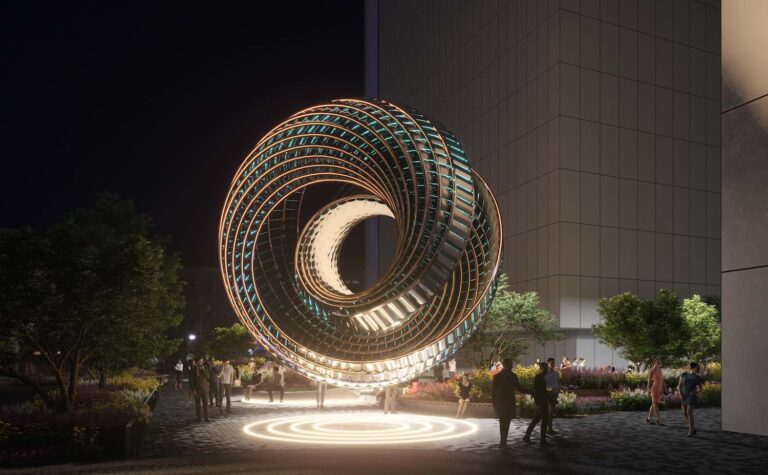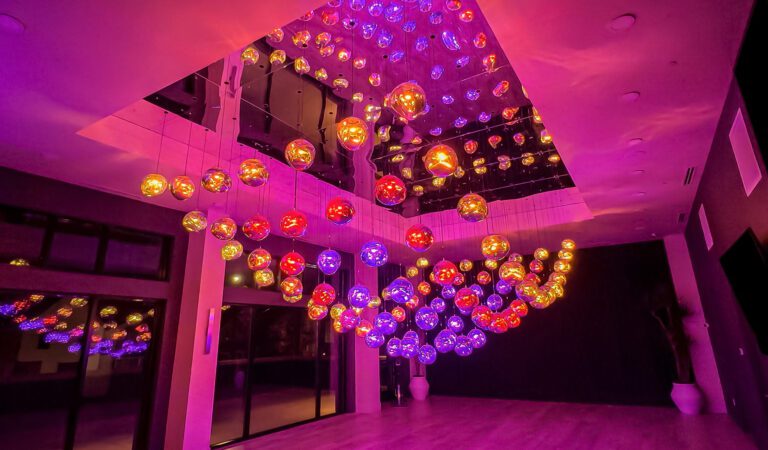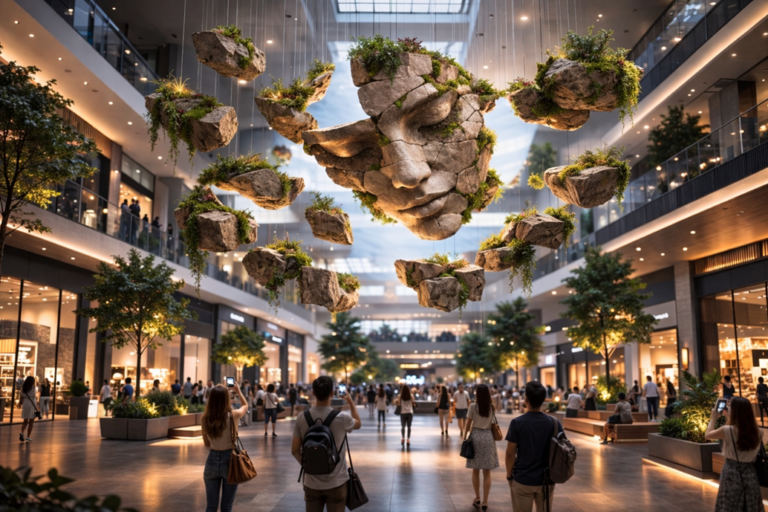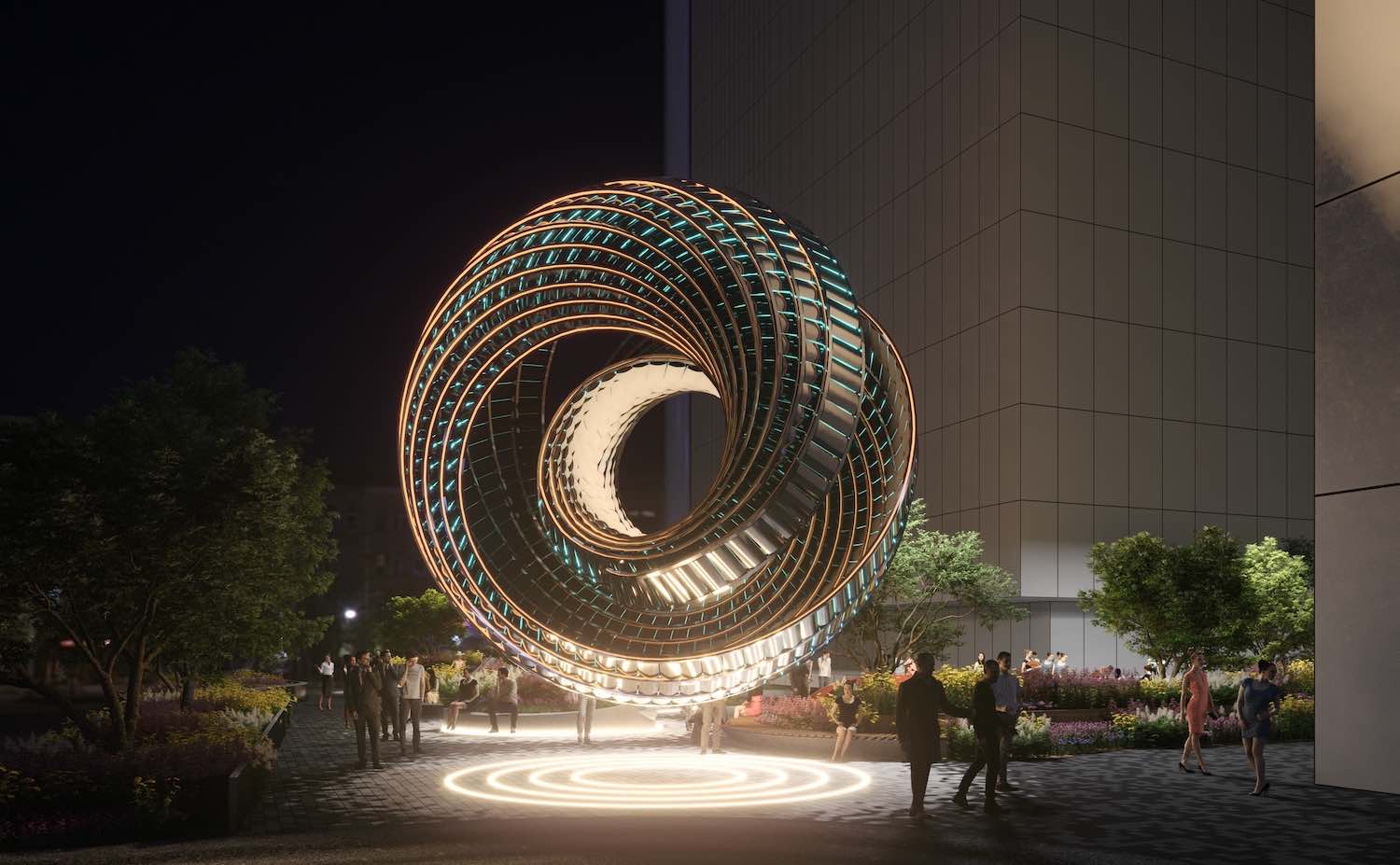
In contemporary architecture, large-scale artworks have become part of the spatial strategy of buildings rather than decorative additions. Airports use kinetic sculptures to structure passenger movement through terminals. Mixed-use developments integrate landmark installations into plazas and atriums to create memorable destinations. Corporate headquarters commission interactive artworks to define brand identity within public lobbies.
In each of these projects, the same question eventually emerges during early discussions between architects, developers, and artists: how much does an interactive art installation cost?
The short answer is that budgets can vary dramatically. A modest interactive installation for a lobby may cost under $100,000, while complex kinetic systems integrated into architectural structures can exceed $10 million.
However, the cost of art installations for architecture is not determined simply by size or materials. The most significant variables lie in engineering, reliability requirements, and integration with the building itself. A sculpture placed in a museum gallery and activated occasionally is very different from a kinetic installation suspended in an airport atrium that must operate 16 hours per day, every day of the year.
In practice, the budget of a public art installation unfolds across several phases: concept development, spatial integration with architecture, engineering and control systems, fabrication, installation logistics, and long-term maintenance. Understanding these layers is essential for developers and architects who want to commission installations that function successfully within large public environments.

Factors that shape the cost of interactive installations
One of the most common misconceptions among clients is that the price of a sculpture is primarily defined by fabrication. In reality, engineering and technology frequently account for the largest share of the budget.
Several variables consistently shape the cost of interactive art installations in architectural environments.
The first is scale and spatial visibility. Installations designed for atriums, plazas, or airport terminals must operate at an architectural scale. In a retail mall or transportation hub, an installation must remain visible across distances of 30–80 meters and from multiple viewing levels. This requires structural systems that are significantly more complex than conventional sculptures.
Movement is another defining factor. A kinetic sculpture with a single motor behaves essentially like a mechanical object. A sculpture composed of hundreds of moving elements becomes a coordinated mechanical system comparable to stage engineering or robotics.
The level of interaction also dramatically affects cost. Installations that respond to visitor movement, sound, or environmental data require sensors, software, and real-time control platforms. Once software enters the system, the project moves beyond sculpture into the domain of digital infrastructure.
Finally, the architectural environment itself influences complexity. Suspended installations, façade-integrated artworks, and installations within operating commercial environments all introduce additional engineering constraints.
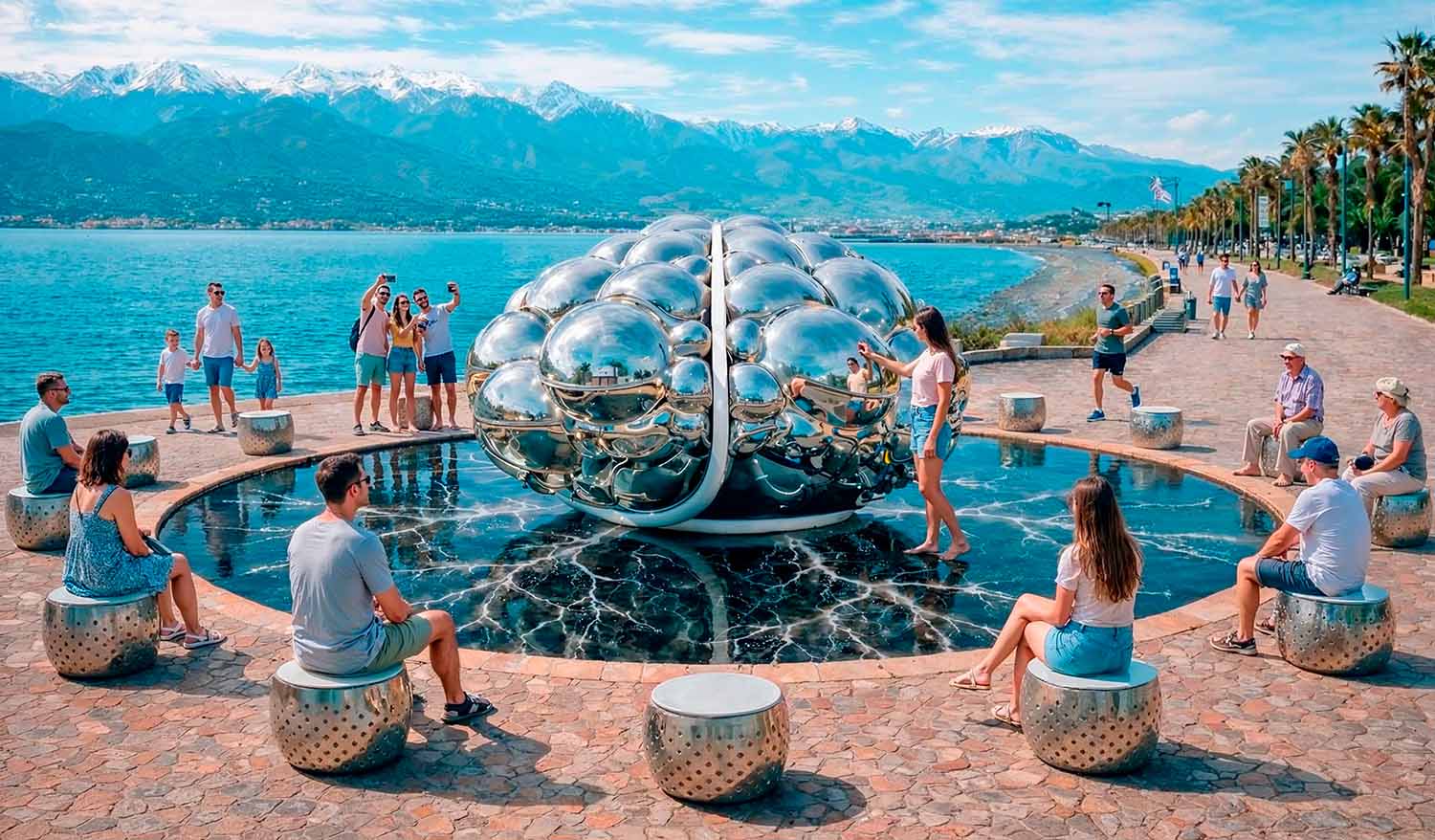
Concept development and spatial strategy
The design phase of an interactive installation is far more than artistic ideation. In architectural contexts, it begins with a spatial question: what role will the installation play in the building?
In large public environments, installations often serve as spatial anchors that structure perception. Architects frequently position kinetic artworks at the end of major visual axes or in the center of atriums where vertical circulation converges.
Consider the kinetic installation Kinetic Rain located at Changi Airport Terminal 1. The sculpture consists of more than 1,200 bronze droplets suspended in a large volume above the central escalators. Its placement was not accidental. The installation defines the visual center of the terminal and anchors the passenger experience within a vast interior space.
During concept development, designers evaluate several spatial parameters:
- visibility from multiple levels,
- relationship to architectural axes,
- interaction with circulation flows,
- lighting conditions within the building.
Because these decisions affect engineering and fabrication, concept development can require significant time and resources.
For major projects, the design phase often includes 3D simulations, motion choreography studies, and digital prototypes that allow architects and clients to visualize the behavior of the installation in relation to architecture.
Design budgets typically range between $80,000 and $300,000 for architectural-scale installations.
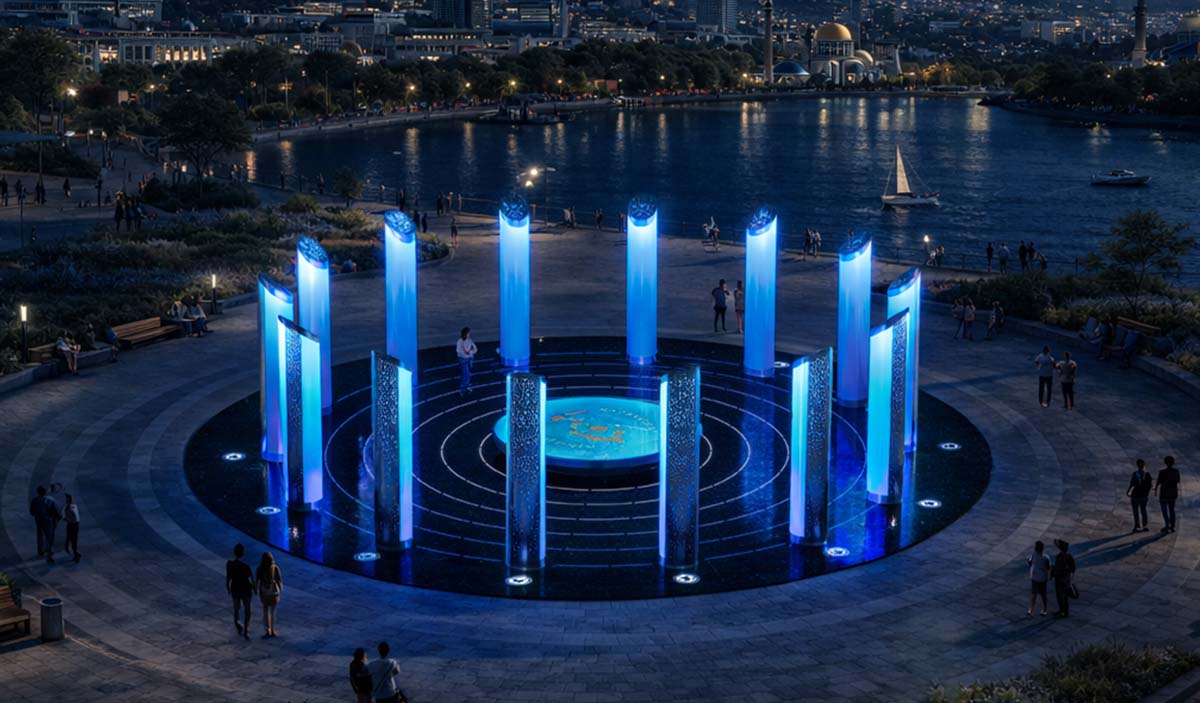
Engineering: the invisible core of kinetic art
Behind every successful kinetic installation lies a complex engineering system that ensures reliability, safety, and precision.
Large installations combine several engineering disciplines simultaneously: structural engineering, mechanical systems design, electronics, and software development. Motion systems must be capable of operating for thousands of hours without mechanical failure, especially in high-traffic environments.
A useful reference is the mechanical sculpture installed in the atrium of the BMW Museum. The installation uses hundreds of synchronized spheres that move through programmed sequences to form changing three-dimensional shapes. Each sphere is connected to a digitally controlled motion system, allowing precise coordination across the entire installation.
Engineering such systems involves designing transmission mechanisms, selecting motors with appropriate torque and lifespan, and developing control software capable of coordinating large numbers of moving elements in real time.
For installations containing hundreds of actuators or complex sensor systems, engineering budgets may reach $500,000 or more, particularly when custom software platforms are required.

Fabrication: from digital model to physical structure
Fabrication remains one of the most visible and resource-intensive stages of the project.
Large sculptures are typically manufactured using industrial fabrication processes similar to those used in aerospace or automotive manufacturing. CNC machining, robotic welding, and laser cutting are common techniques used to produce structural components with high precision.
Material selection plays a significant role in both aesthetics and cost. Stainless steel is frequently used in public sculptures because of its durability and resistance to corrosion. Aluminum is preferred when weight reduction is essential, particularly for suspended installations.
Surface finishing is another underestimated factor. Mirror-polished steel surfaces can require dozens of hours of manual polishing to achieve the reflective quality expected in high-profile public spaces.
Fabrication budgets for architectural-scale sculptures often range from $300,000 to several million dollars, depending on scale and complexity.
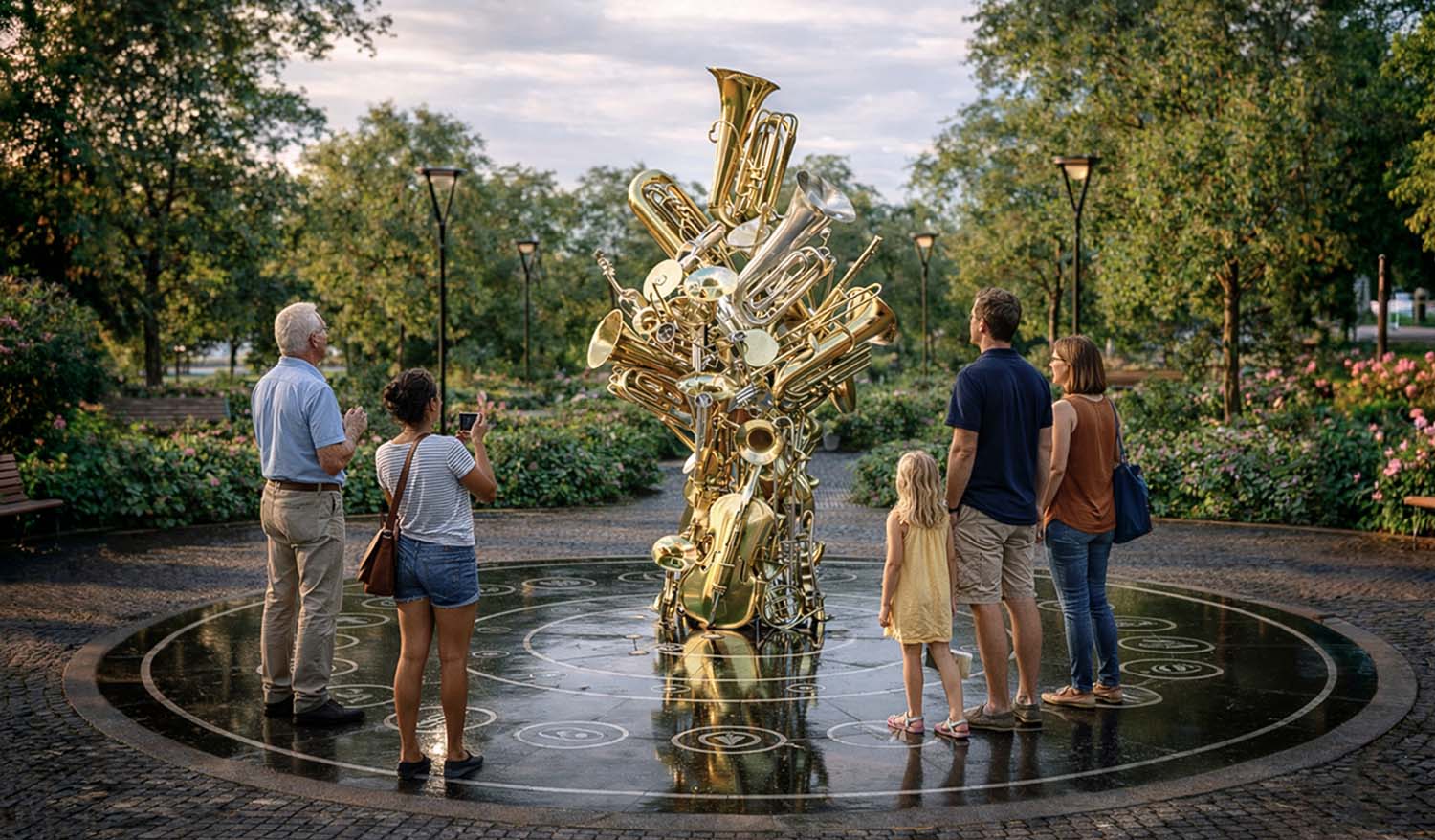
Installation and architectural coordination
Installing a large sculpture within an existing architectural environment can be one of the most technically demanding phases of the project.
Many installations are fabricated in modular segments to allow transportation by truck or shipping container. Once delivered to the site, the components must be assembled using cranes, scaffolding, and specialized rigging systems.
Suspended installations introduce additional structural challenges. Engineers must verify that the building structure can support the weight and dynamic loads of the sculpture. Coordination with building contractors and architects becomes essential at this stage.
In operating environments such as shopping malls or airports, installation schedules are often restricted to nighttime hours in order to avoid disrupting visitors.
Because of these logistical constraints, installation typically represents 10–20 percent of the total project budget.
Maintenance: the often overlooked budget layer
One of the most important yet frequently underestimated aspects of interactive art installation cost is long-term maintenance.
Kinetic sculptures contain moving parts that inevitably experience wear over time. Motors, bearings, and mechanical linkages must be inspected regularly to ensure reliable operation.
Developers commissioning large installations typically allocate 2–5 percent of the project budget annually for maintenance and servicing.
Skyform Studio working at the intersection of art and engineering, often design installations with maintenance strategies built into the system architecture. Components may be modular, allowing individual parts to be replaced without dismantling the entire sculpture.
This approach significantly reduces long-term operational costs and downtime.
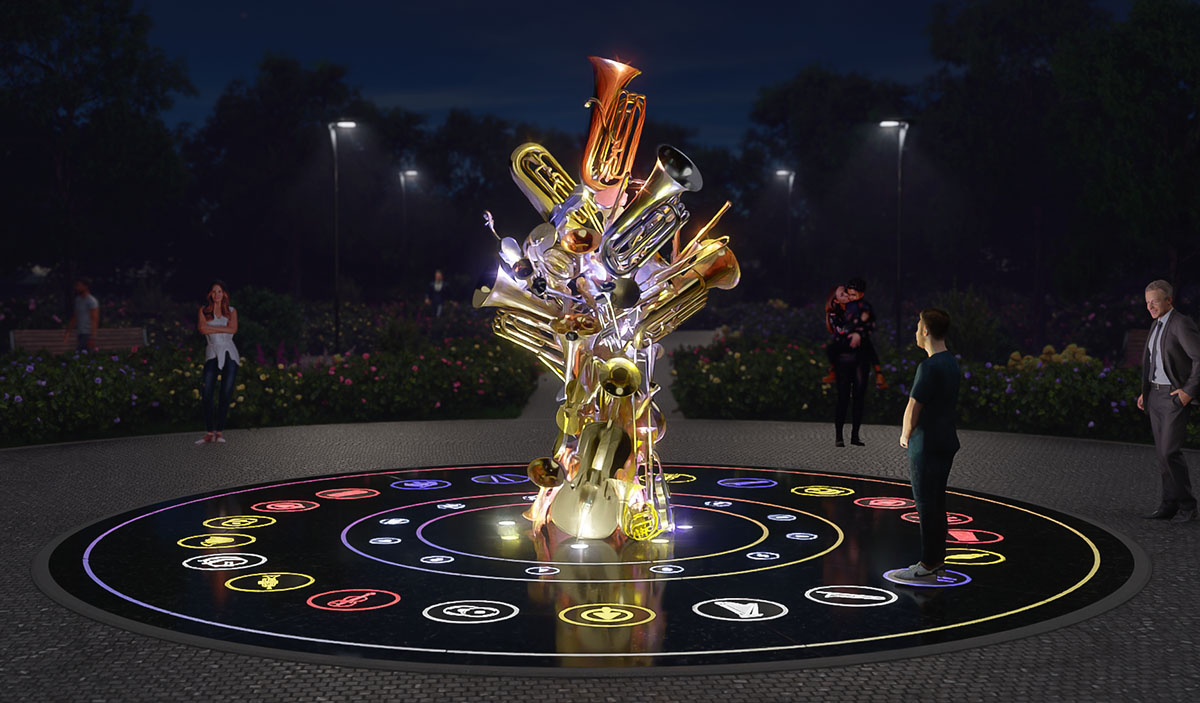
Typical budget ranges in contemporary projects
Although every installation is unique, several typical budget ranges have emerged across recent projects in commercial and public architecture.
Small interactive lobby installations often fall between $80,000 and $250,000.
Medium-scale kinetic sculptures integrated into atriums or plazas typically range between $300,000 and $2 million.
Large landmark installations designed as defining architectural elements can reach $5 million to $10 million or more, particularly in airports, cultural institutions, and large mixed-use developments.
Developers increasingly view such installations not merely as artworks but as long-term placemaking investments capable of shaping public perception of a building.
Interactive installations represent one of the most complex intersections between art, architecture, and engineering in contemporary public spaces. Their cost reflects the multidisciplinary expertise required to create systems that are visually compelling, technically reliable, and spatially integrated with architecture.
For architects and developers, understanding the structure of interactive art installation cost allows projects to be planned realistically and strategically. When executed well, these installations transform buildings into memorable destinations, reinforcing identity and enriching the spatial experience of public environments.
Contact Us
Ready to create a landmark that defines your space? Explore our portfolio or contact the SKYFORM STUDIO team to discuss your project.
In contemporary commercial real estate, interactive art is no longer an optional addition — it is a powerful design instrument. Within office towers, retail environments, and mixed-use developments, installations act as spatial anchors that shape perception, guide movement, and create a strong visual identity.
Kinetic and interactive installations bring architecture to life. Through movement, light, and responsive behavior, they transform static environments into dynamic experiences that engage visitors and turn buildings into destinations.
At SKYFORM STUDIO, we design and engineer interactive and kinetic installations tailored for modern architectural environments. Working closely with architects and developers, we ensure seamless integration into the spatial concept and building systems. Each project is developed as a functional element that enhances user experience, strengthens branding, and defines the identity of the space.
More materials on the topic: Public art, Kinetic installations, Blog.
Frequently asked questions (FAQ)
Small installations may start around $80,000, while large architectural projects can exceed $10 million depending on scale and technology.
Kinetic systems require motors, control electronics, software platforms, and ongoing maintenance.
Airports, museums, commercial developments, corporate headquarters, and large mixed-use projects frequently commission these installations.
From concept development to final installation, most projects require 12 to 18 months.
Yes. Landmark installations often enhance placemaking, strengthen brand identity, and increase visitor engagement within commercial environments.
Author of the article