Large-scale kinetic installations rarely emerge from purely artistic intuition. In contemporary architecture and public environments, creating a kinetic sculpture involves a complex collaboration between artists, architects, engineers, programmers, and fabrication specialists. Unlike traditional sculpture, where the final form remains static, kinetic installations must operate as fully engineered systems capable of reliable movement over many years.
Today, kinetic sculptures appear in airports, museums, shopping malls, corporate headquarters, and large public plazas. These installations often function as architectural landmarks that structure space, guide visitor orientation, and create memorable spatial experiences. Because of this role, the kinetic sculpture design process resembles the development of a building component rather than the creation of an isolated artwork.
Studios working in this field must combine artistic vision with mechanical engineering, digital control systems, and large-scale manufacturing capabilities. The path from initial idea to operational installation therefore unfolds through several carefully coordinated stages.
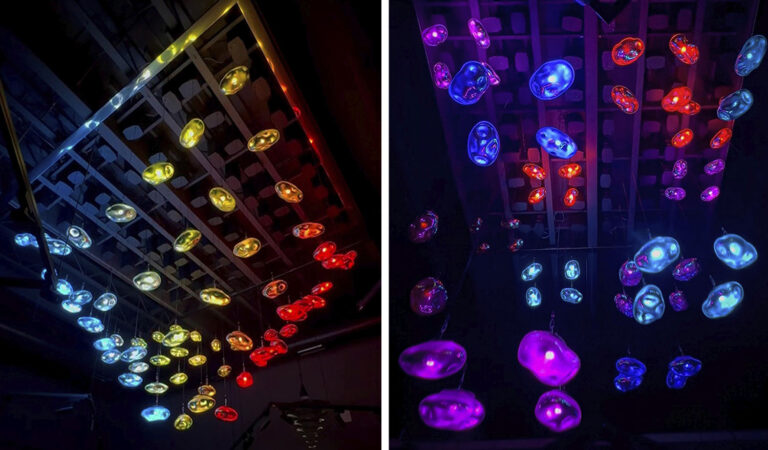
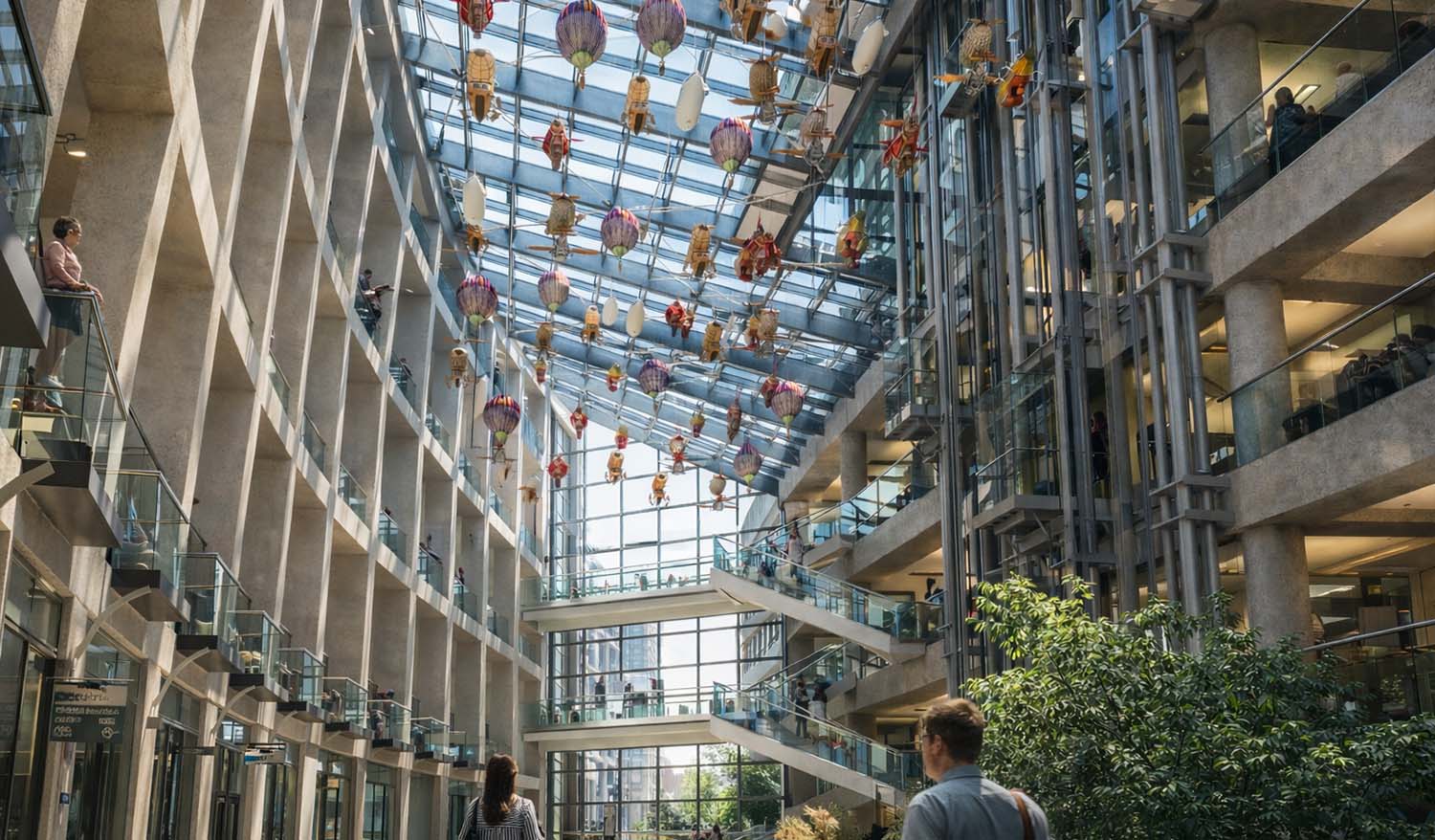
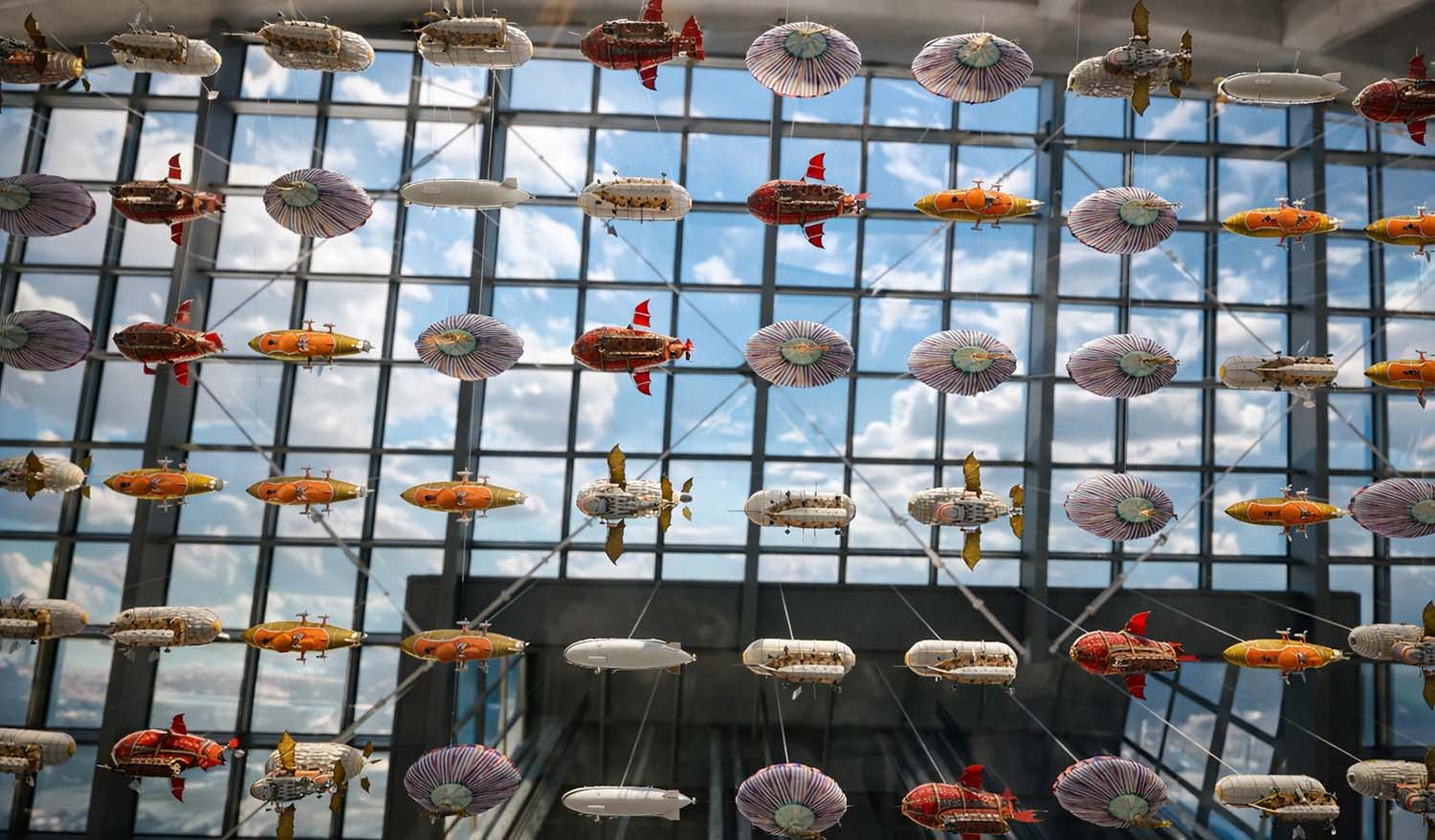
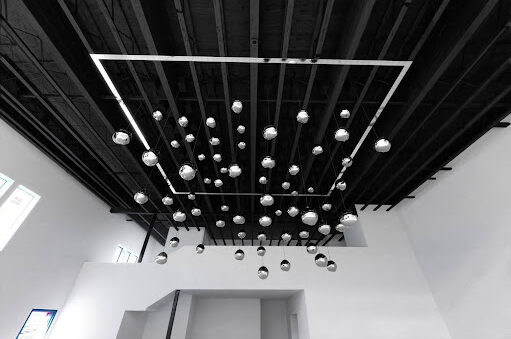
Kinetic installations for airports
Concept development
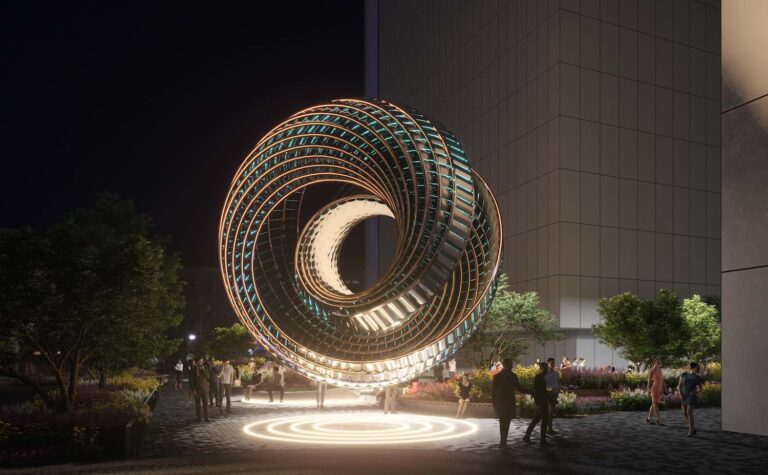
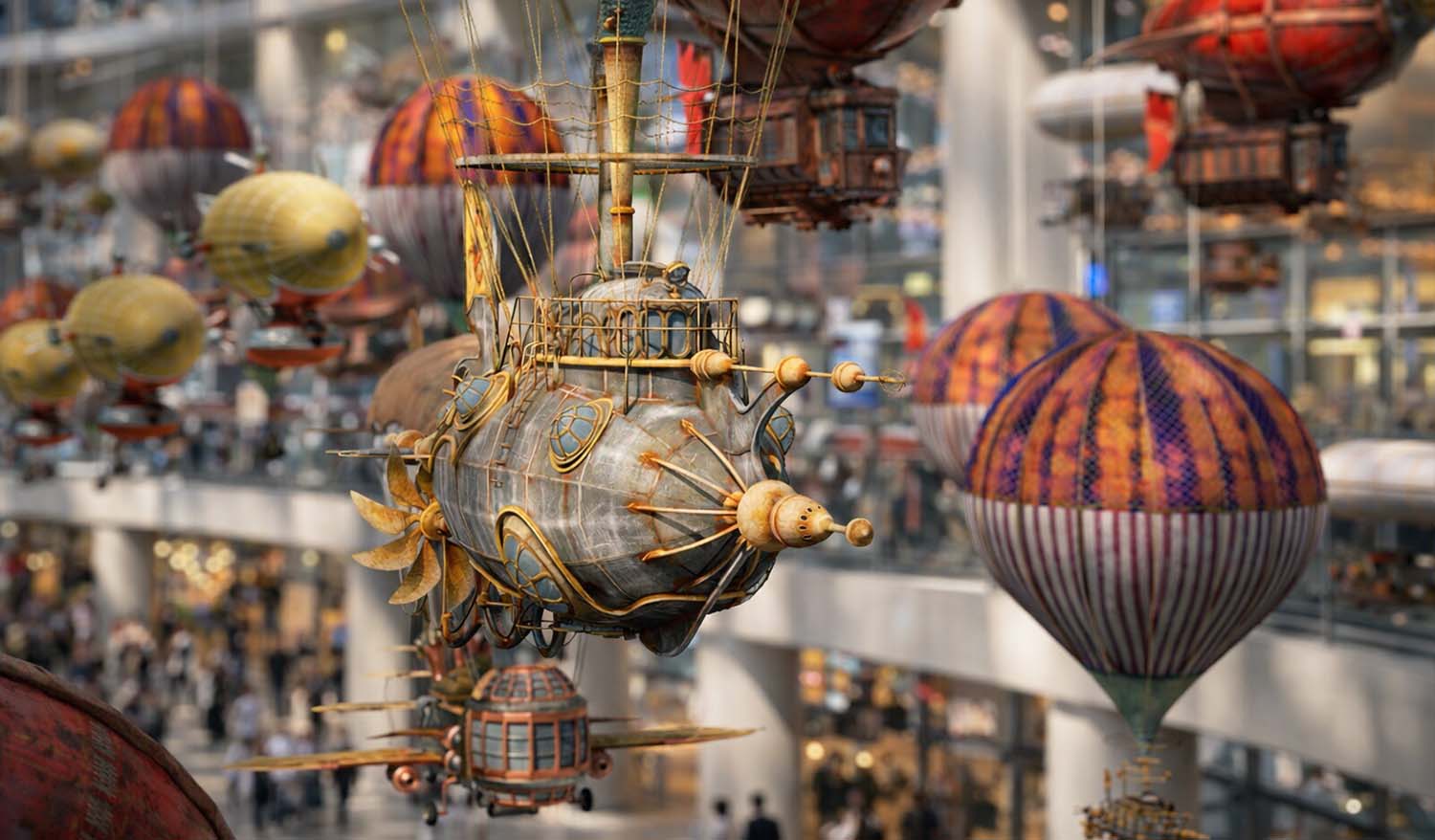
Every kinetic sculpture begins with a conceptual investigation into how motion will shape spatial perception. In architectural environments, the location of the installation strongly influences the design direction. A sculpture suspended in an airport atrium must be visible from multiple floors and long viewing distances. Conversely, an installation placed within a plaza may interact with wind, sunlight, or pedestrian movement.
During concept development, designers analyze several critical spatial factors: architectural axes, circulation patterns, visual perspectives, and the hierarchy of spaces within the building. The sculpture must reinforce these spatial relationships rather than compete with them.
For example, installations placed at the end of long interior corridors or central atriums often function as visual anchors. Visitors instinctively orient themselves around such landmarks, transforming the sculpture into part of the navigation structure of the building.
At Skyform Studio, early concept development typically focuses on defining how movement will influence the perception of space. Instead of designing an object first and adding motion later, the team begins by exploring the spatial choreography that the sculpture will introduce into the environment. These early investigations form the conceptual foundation of kinetic sculpture development.
Design and visualization
Once the conceptual direction is defined, designers begin translating ideas into precise spatial and visual models. Three-dimensional modeling software allows artists and engineers to explore the geometry of the sculpture and its relationship to the surrounding architecture. At this stage, designers study proportions, sightlines, and spatial balance within the host environment. However, the defining element of kinetic sculpture is movement. Because of this, digital motion simulation becomes one of the most important tools in the kinetic sculpture design process.
Using animation and simulation platforms, designers can test how hundreds of elements will move simultaneously. These simulations help refine rhythm, pacing, and visual dynamics. Designers examine how motion appears from different vantage points and how reflections or shadows evolve as elements move.
Lighting studies are also critical. Many kinetic sculptures rely on polished metal surfaces or translucent materials that interact with natural or artificial lighting. Simulation software allows designers to test these visual effects long before fabrication begins.
By the end of this stage, the project typically includes detailed visualizations, motion studies, and technical drawings that guide the engineering phase.
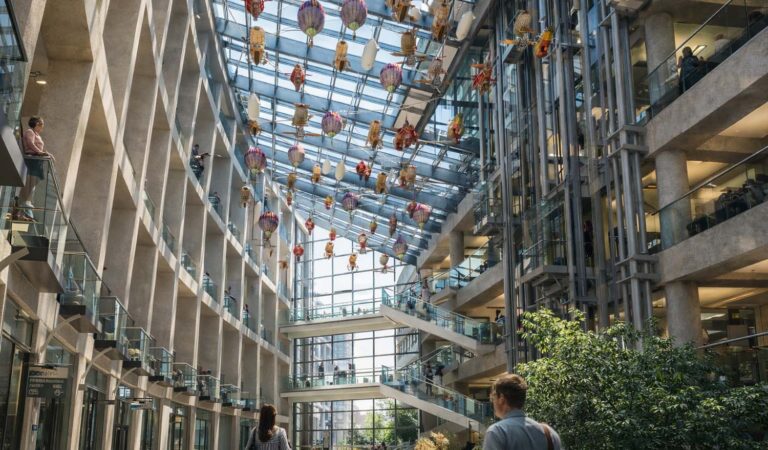
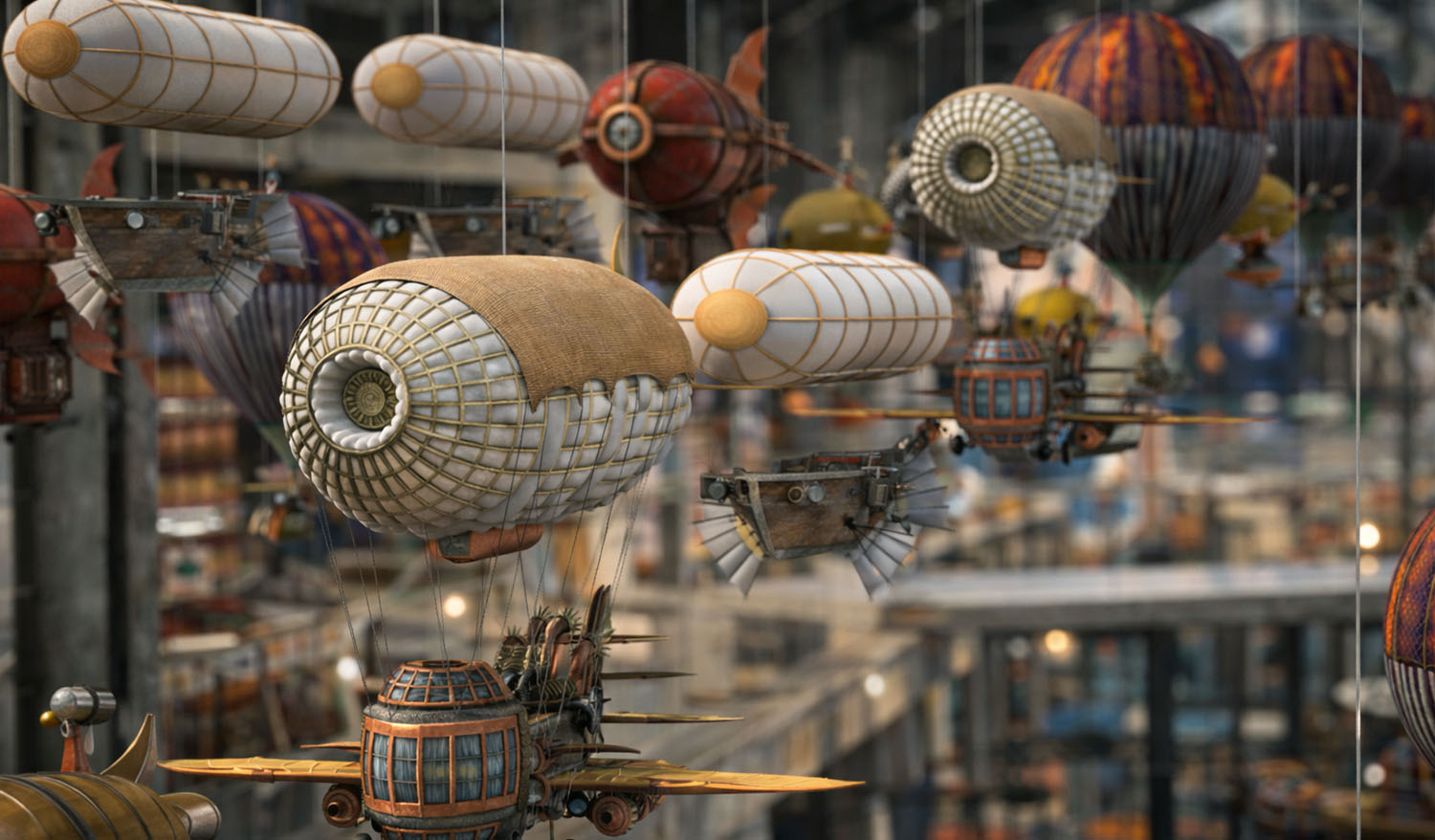
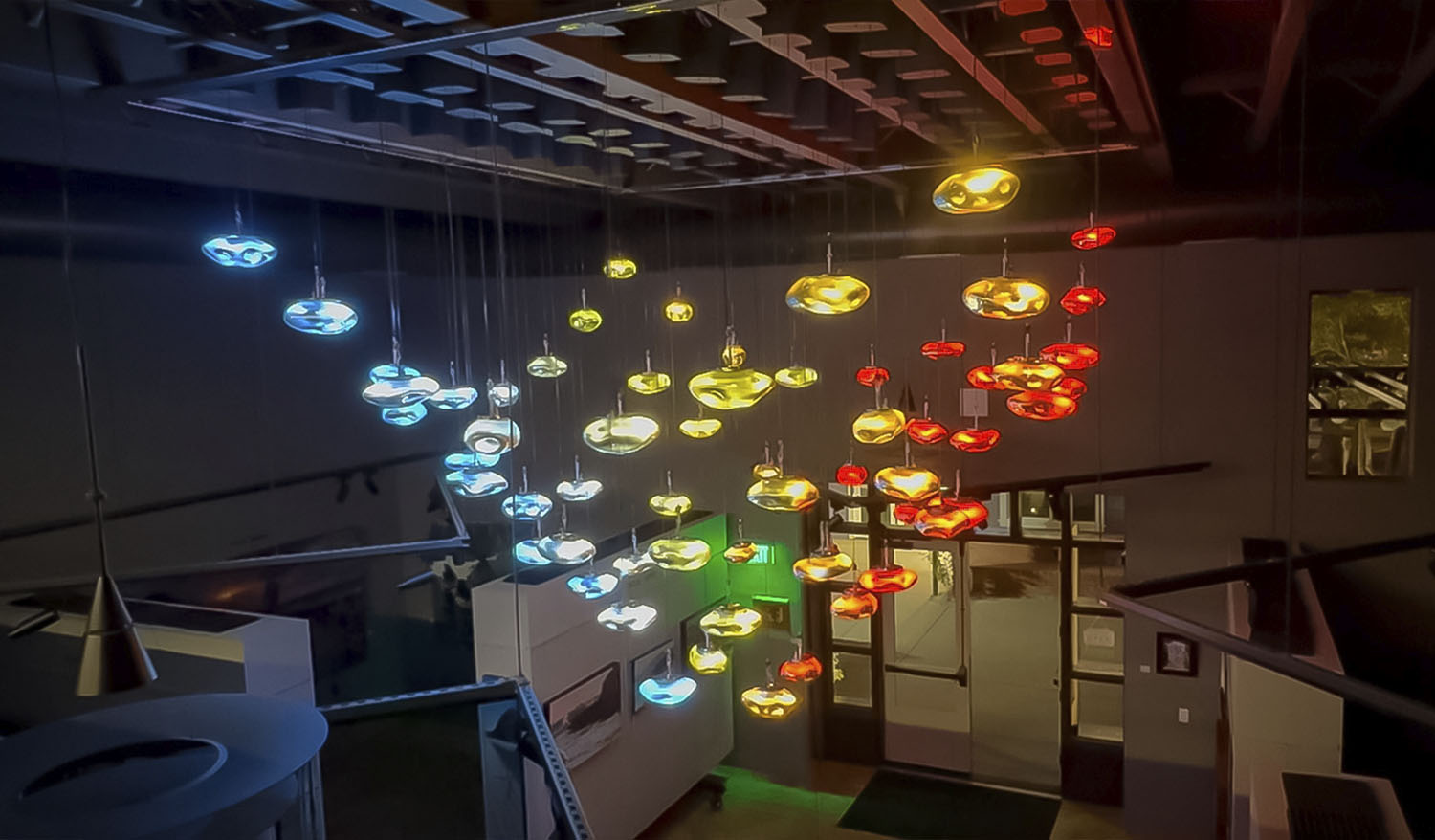
Kinetic installations for museums
Engineering and prototyping
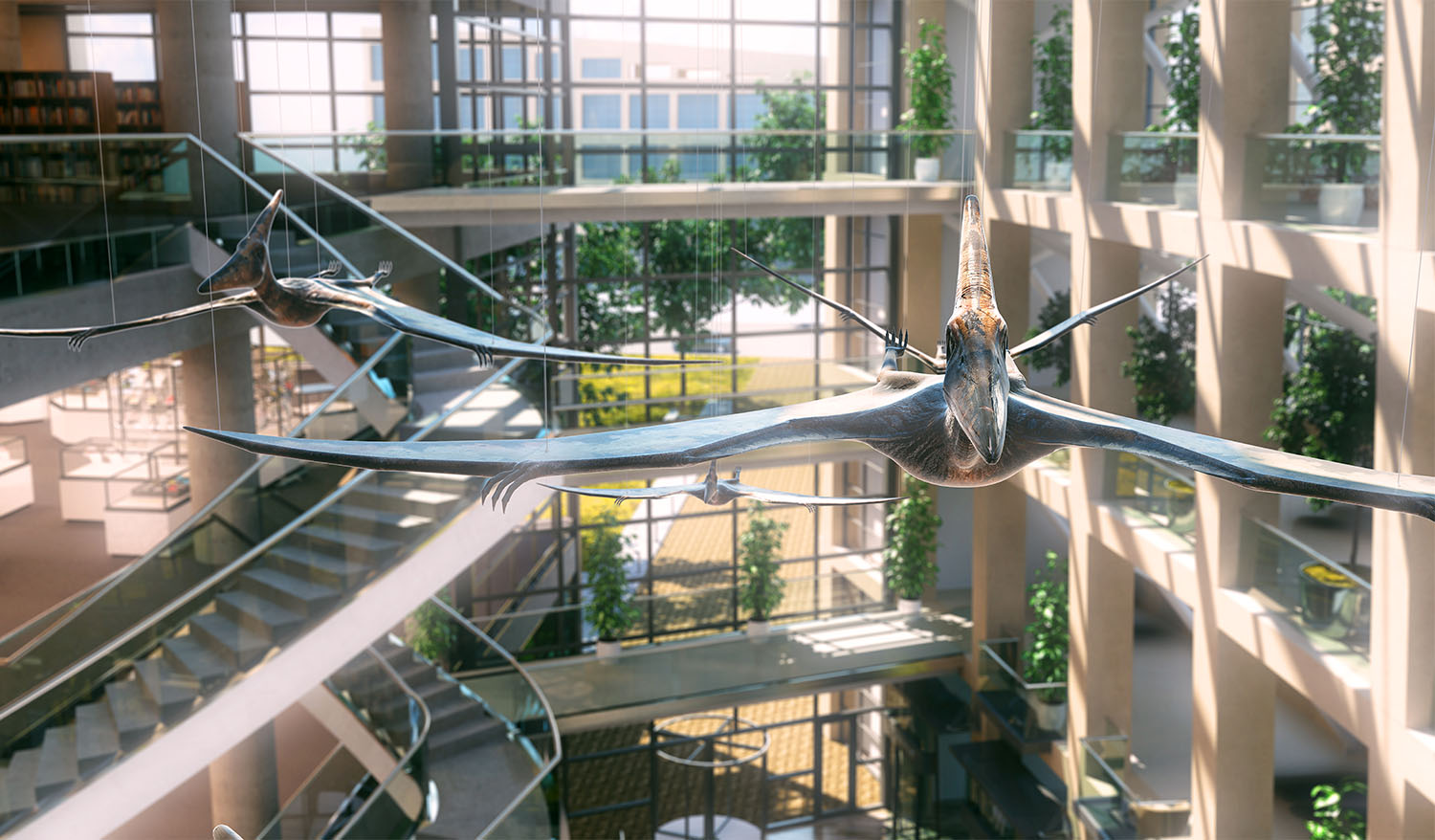
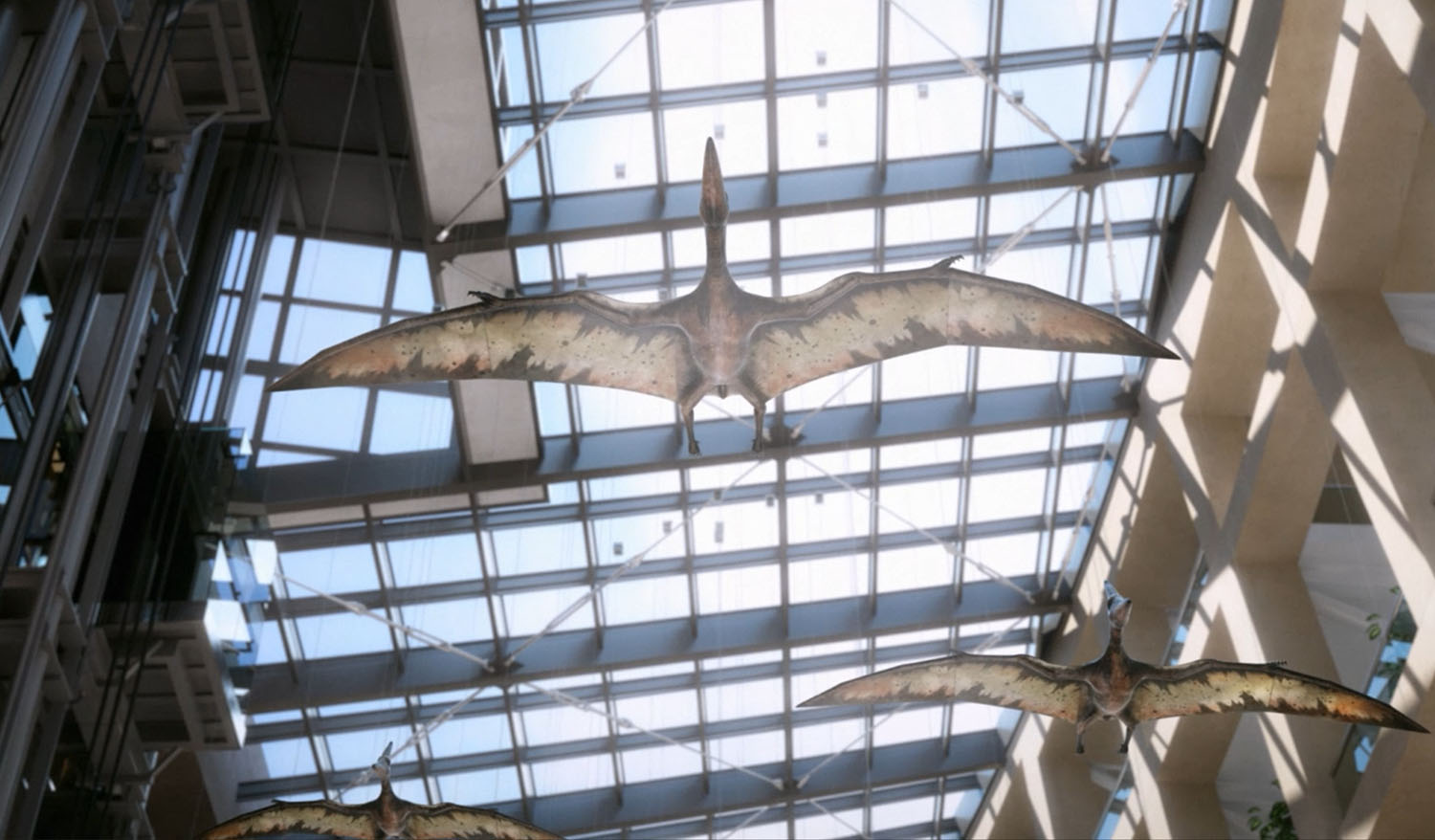
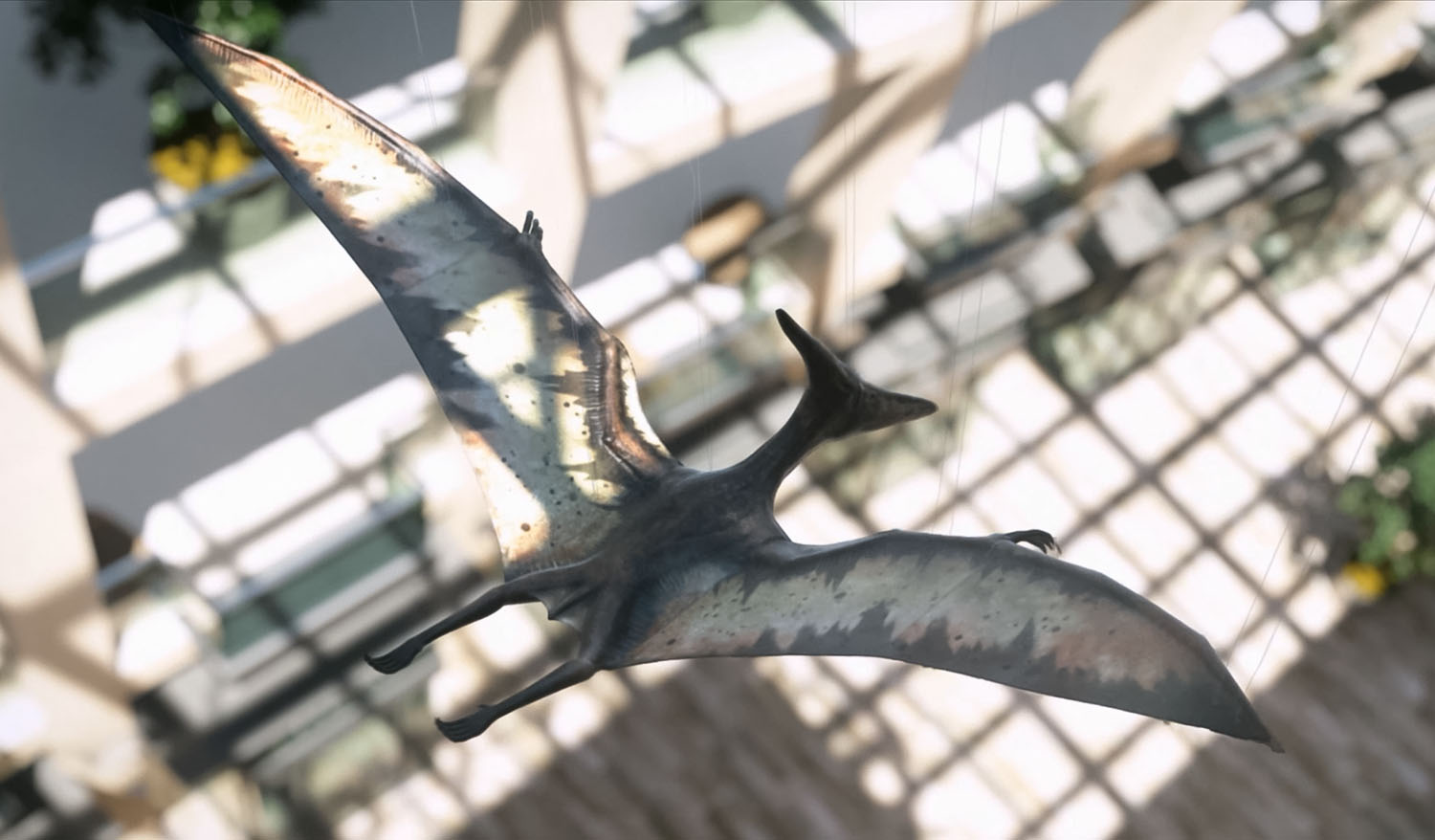
The transition from artistic concept to physical object requires rigorous engineering. The sculpture engineering process begins with structural analysis. Engineers must determine how the installation will support its own weight while also accommodating the dynamic forces created by movement. If hundreds of elements move simultaneously, these forces can generate vibration and fatigue within structural components.
Mechanical systems must then be designed to generate motion reliably. Kinetic sculptures often use combinations of servo motors, stepper motors, linear actuators, cable-driven systems, or pneumatic mechanisms.
Equally important are the digital control systems that coordinate movement. Modern programmable kinetic sculptures often rely on distributed controllers connected through real-time networks. Software platforms synchronize motors, manage acceleration curves, and ensure that motion remains smooth and coordinated across the entire installation.
Before full-scale production begins, teams usually construct working prototypes. This sculpture prototyping stage focuses on testing a small module of the installation rather than the entire structure. Engineers evaluate motor performance, mechanical durability, sound levels, and maintenance accessibility. Prototype testing frequently leads to adjustments in component design or motion programming, significantly improving reliability before fabrication begins.
Fabrication process
Once engineering parameters are finalized, the project moves into the kinetic art fabrication phase. Large installations may contain hundreds or even thousands of precisely manufactured components. These parts are produced through advanced fabrication techniques such as CNC machining, laser cutting, waterjet cutting, and robotic welding.
Materials are carefully selected to balance strength, durability, and weight. Stainless steel, aluminum alloys, carbon fiber composites, and aerospace-grade bearings are commonly used in large sculpture manufacturing.
Surface finishing also plays a major role in the visual performance of the sculpture. Many kinetic installations rely on reflective or anodized surfaces that interact dynamically with light as elements move.
During fabrication, technicians assemble mechanical subsystems and conduct continuous testing to ensure that motors, bearings, and structural joints function correctly. Even minor deviations in component tolerances can affect synchronization across hundreds of moving elements. This stage transforms digital designs into a fully operational mechanical structure.
Transportation and installation
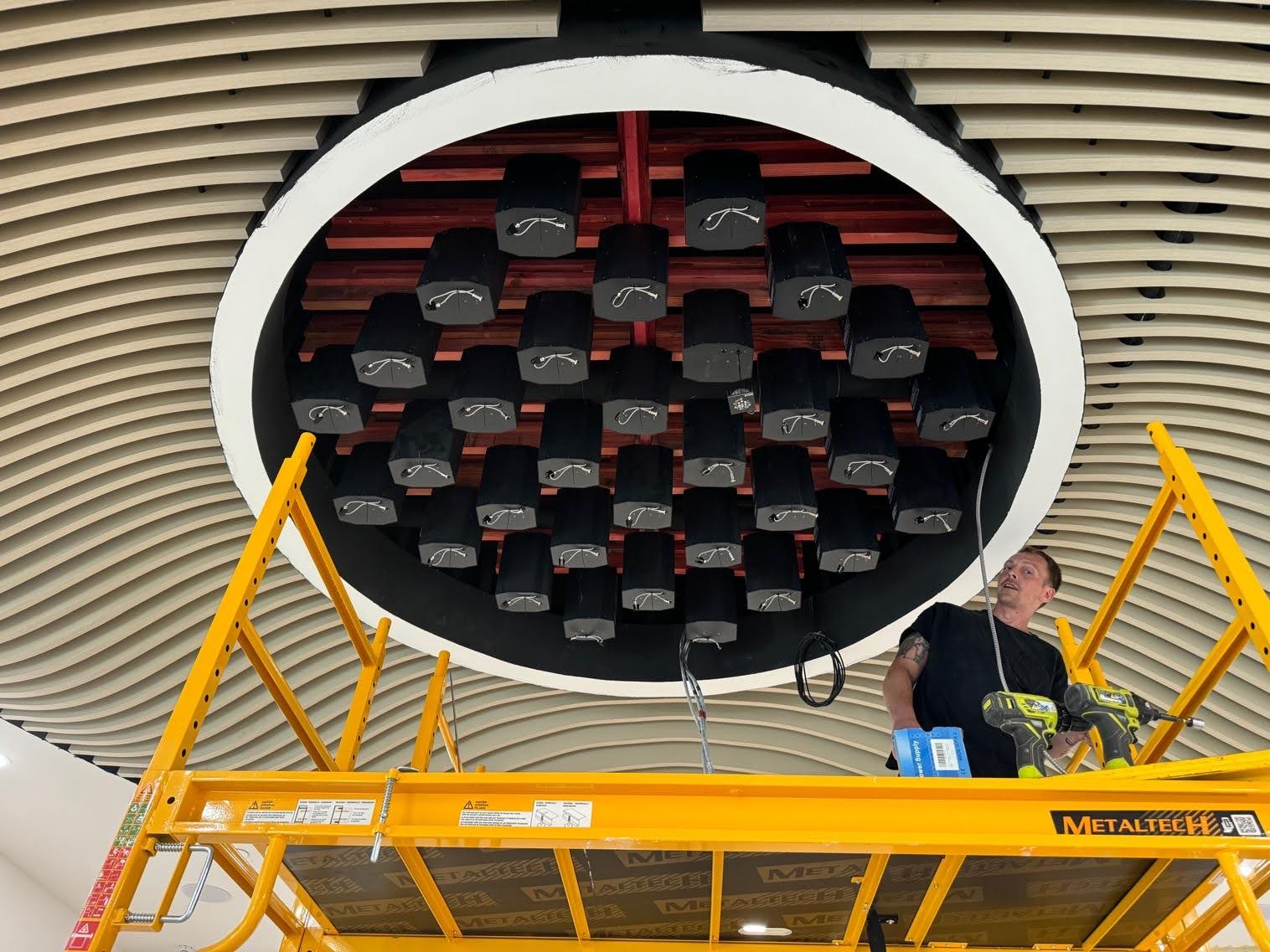
Transporting a large kinetic sculpture presents significant logistical challenges. Because installations can reach several stories in height, they are typically fabricated in modular sections. These modules are designed to fit within shipping containers or specialized transport vehicles. Once delivered to the site, installation teams assemble the sculpture using cranes, scaffolding systems, and precision alignment equipment. Coordination with architects and structural engineers is essential, especially when installations are suspended within atriums or integrated into building facades.
The public art installation process often takes several weeks, depending on the complexity of the sculpture and the constraints of the construction site. Electrical systems, motion controllers, and sensor networks must also be integrated into the building’s infrastructure.
Studios specializing in large kinetic works, including Skyform Studio, typically supervise installation directly to ensure that mechanical systems, structural supports, and digital control platforms function exactly as designed.
Testing and launch
Before the sculpture is unveiled to the public, the entire system undergoes extensive testing and calibration. Mechanical systems are carefully tuned to ensure smooth motion across all operating modes. Motors are synchronized, acceleration profiles adjusted, and safety systems verified.
Control software is then programmed with the final choreography of movement. Some installations operate through repeating sequences, while others rely on generative algorithms that produce continuously evolving motion patterns. Environmental testing may also be conducted to simulate long-term operating conditions. For installations exposed to wind, temperature changes, or heavy visitor traffic, engineers verify that the system remains stable and safe.
Only after these procedures are complete does the sculpture enter public operation. At this point, the installation becomes a living part of the architectural environment.
Timeline of creating a kinetic sculpture
Large public kinetic sculptures typically require significant development time. While each project differs, the overall timeline often follows a general pattern:
- Concept development usually takes one to two months as designers study the architectural context and explore movement concepts.
- Design visualization and motion simulation can take another two to three months.
- Engineering development and prototyping may require three to six months depending on the complexity of mechanical systems.
- Fabrication often lasts four to eight months for large installations.
- Transportation and on-site installation generally require two to four weeks.
Altogether, the process of creating a kinetic sculpture for a major public environment may take between twelve and eighteen months from concept to final launch.
Technology behind modern kinetic sculptures
Contemporary kinetic sculptures operate through sophisticated technological systems.
Motion is typically generated by electric motors controlled through microcontrollers or industrial PLC systems. Software platforms coordinate thousands of individual movements, translating digital choreography into physical motion.
Sensors may also play a role in responsive installations. Cameras, motion detectors, or environmental sensors allow sculptures to react to visitor movement, sound, wind, or temperature.
In some cases, generative algorithms create continuously evolving motion patterns, ensuring that the installation never repeats the same sequence.
These digital infrastructures allow kinetic sculptures to behave more like dynamic spatial systems than static objects.
The journey from concept to installation reveals that creating a kinetic sculpture is far more complex than fabricating a traditional artwork. It is a multidisciplinary process that combines artistic imagination with engineering precision, software development, and large-scale manufacturing.
From early conceptual sketches to the final programming of motion choreography, every stage contributes to the creation of an installation that operates reliably within public space while delivering a powerful visual experience. As architecture increasingly embraces dynamic environments, kinetic sculpture will continue to evolve — merging art, engineering, and digital technologies into one of the most sophisticated forms of contemporary public art.
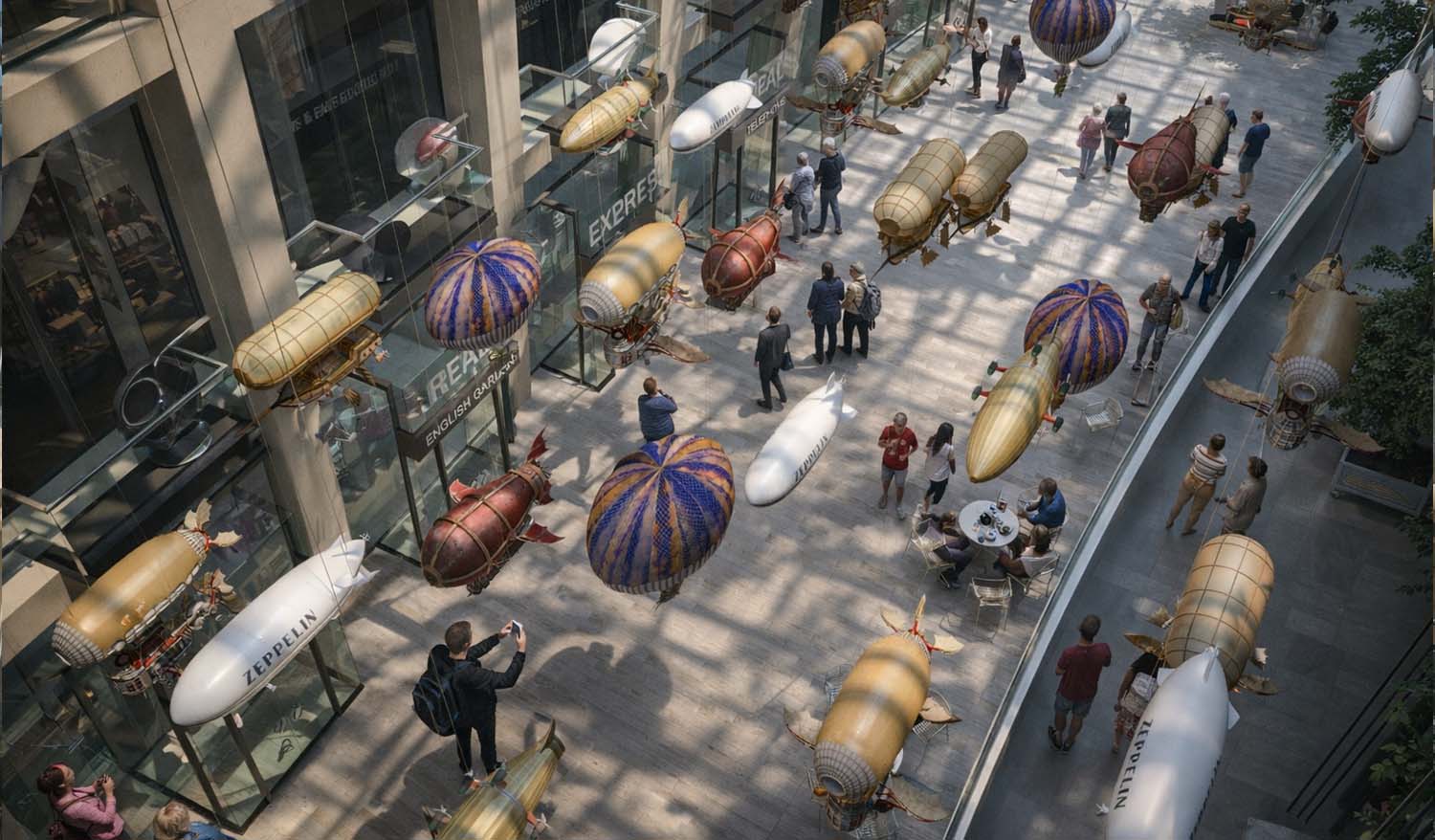
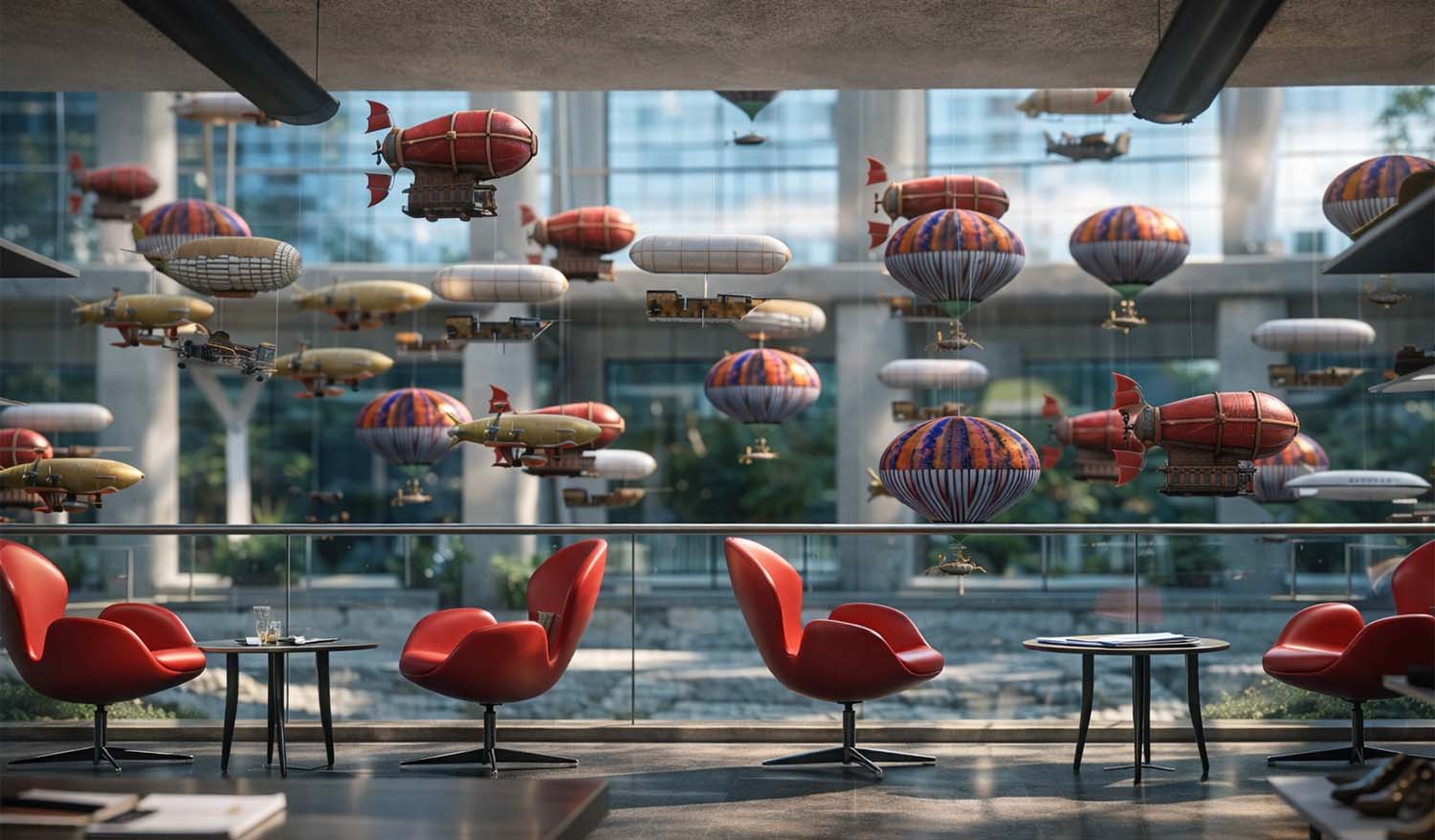
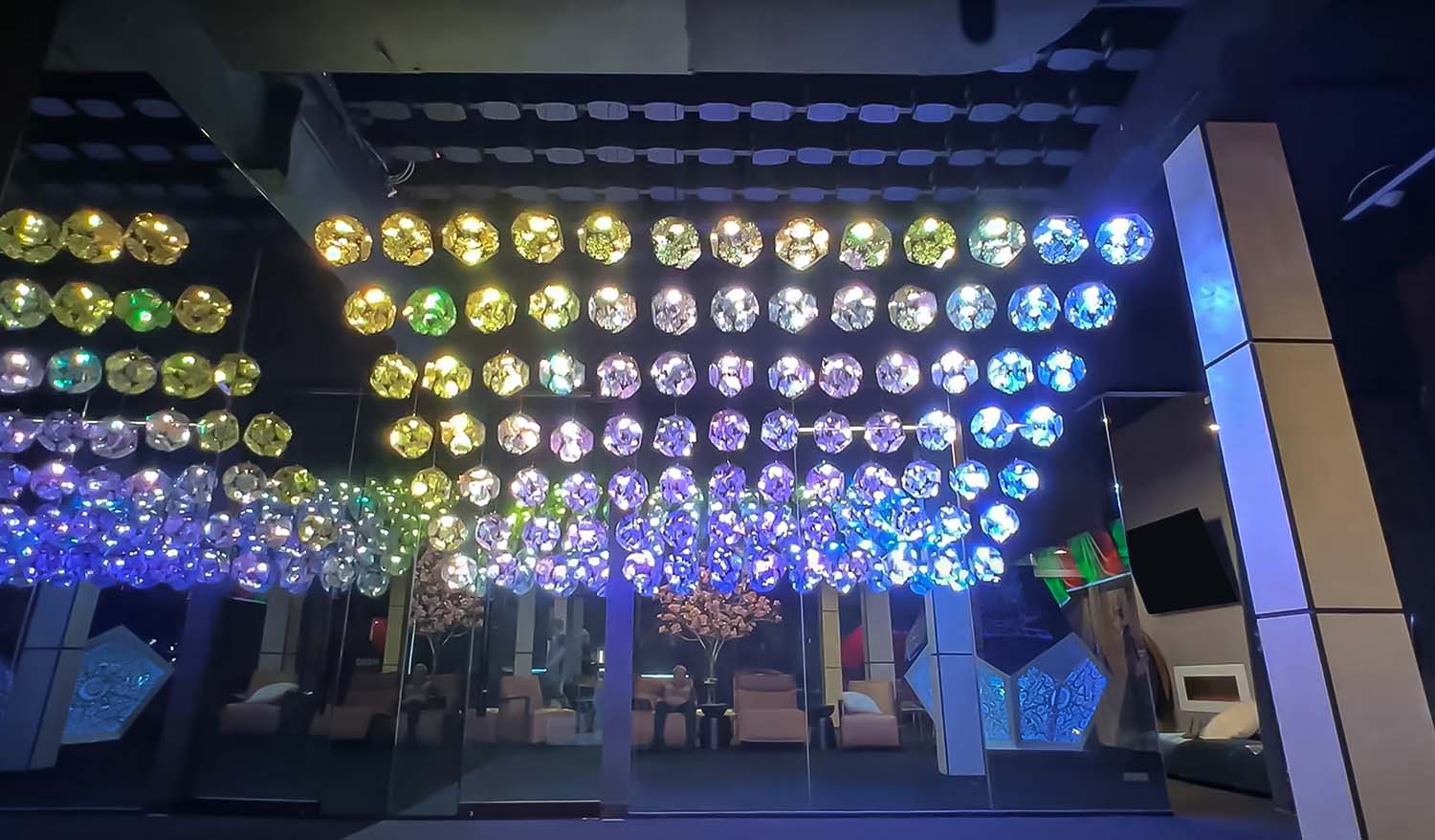
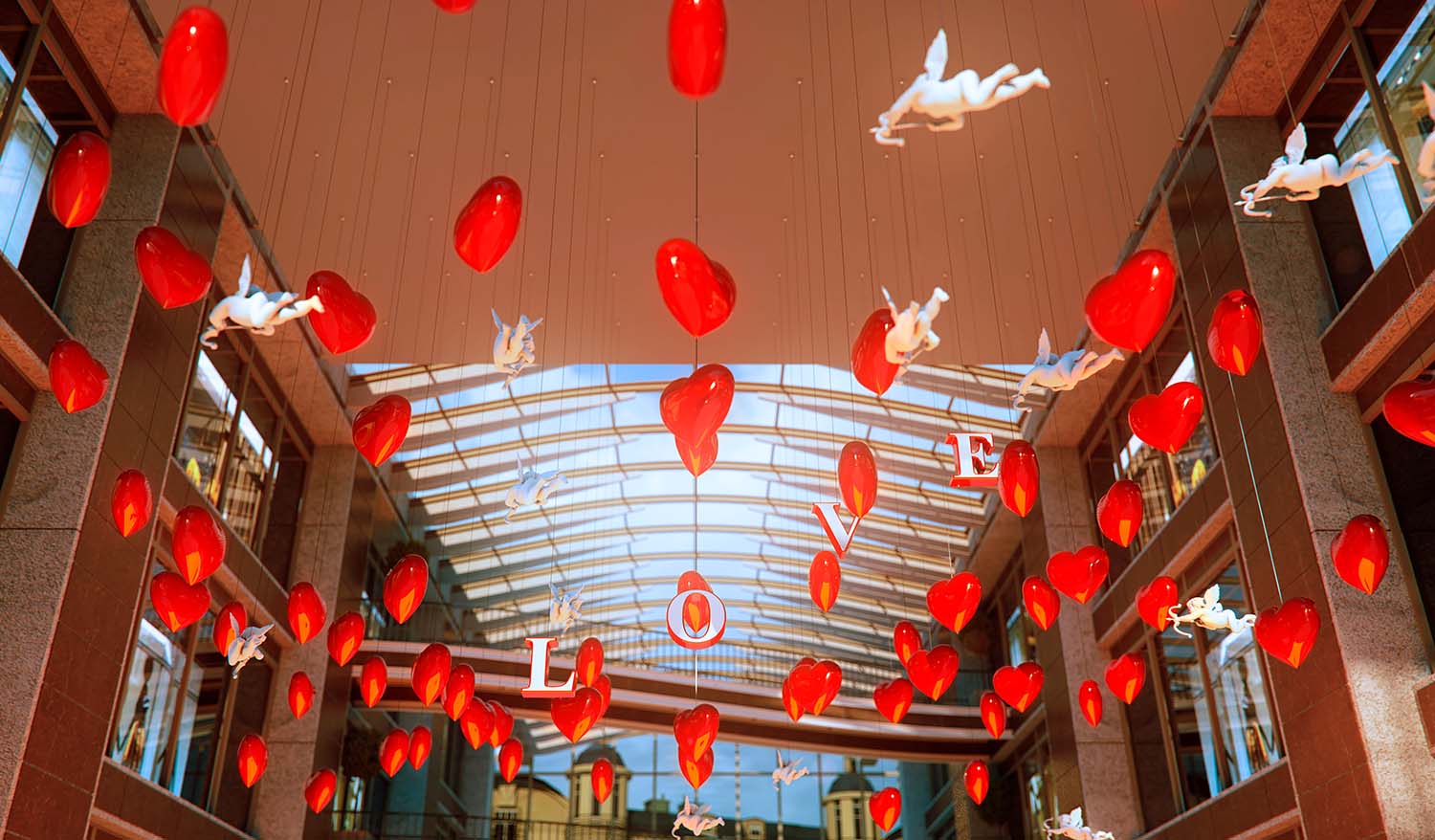
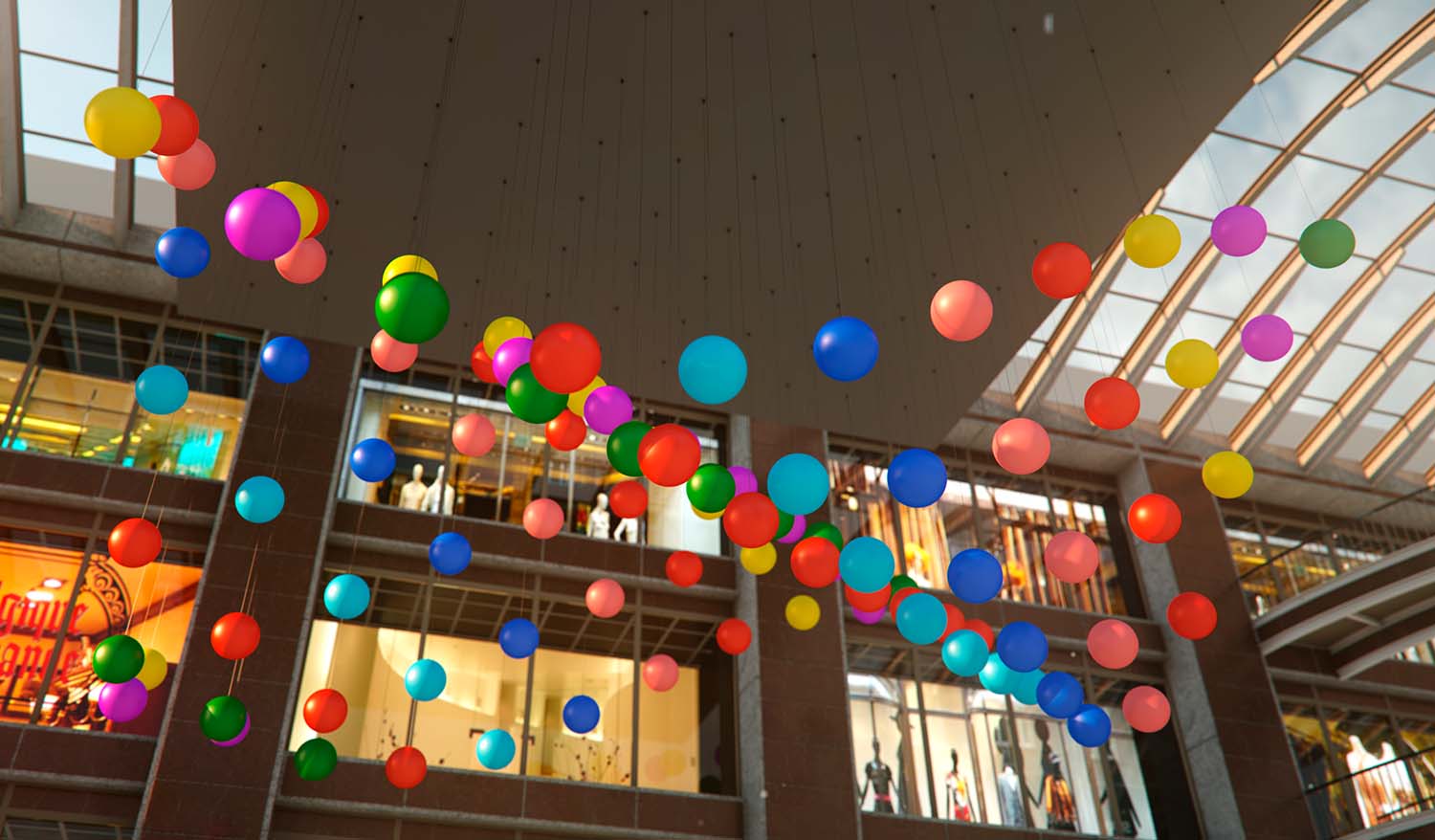
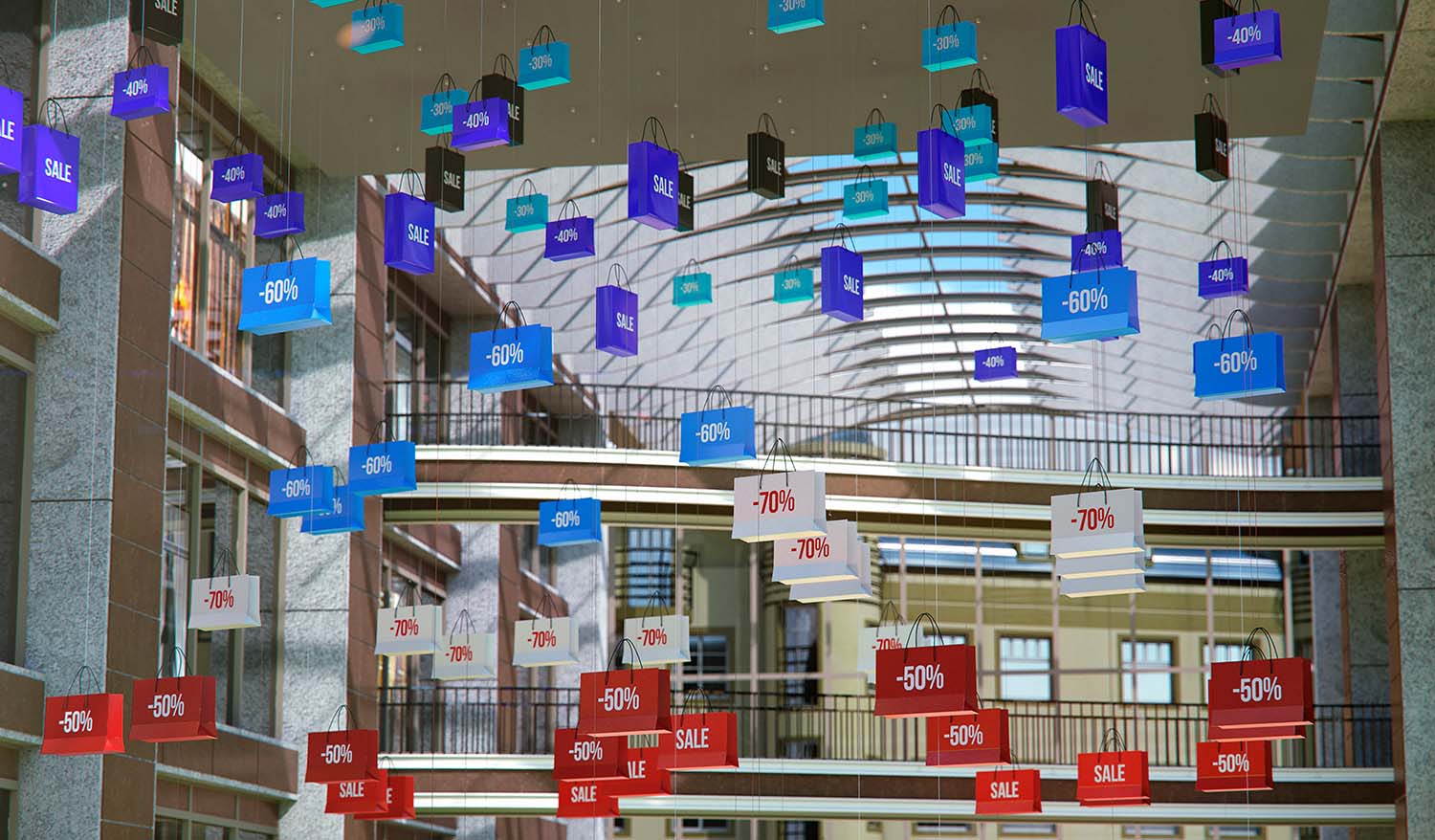
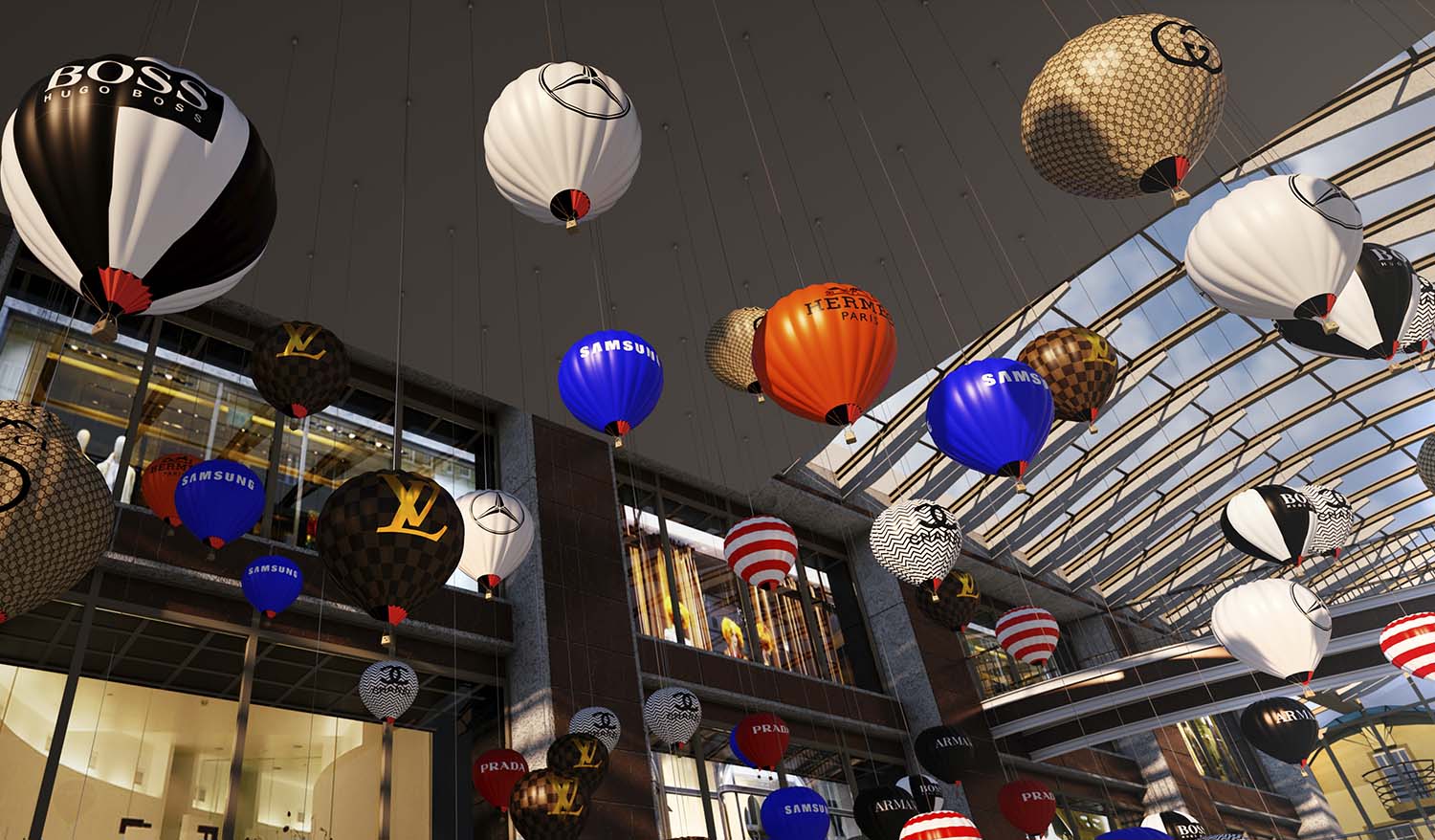
Kinetic installations for shopping malls



Contact Us
Planning a landmark kinetic installation within your project? Explore our portfolio or contact the SKYFORM STUDIO team to discuss your development.
In contemporary architecture, kinetic sculpture is approached as an integral part of the built environment rather than an isolated artwork. It is embedded into spatial logic — aligning with circulation, visual axes, and the hierarchy of spaces to shape how environments are perceived and experienced.
Realization of such installations requires a synthesis of architectural thinking, engineering, and advanced fabrication. Form, motion, and technical systems are developed in parallel to ensure both visual clarity and long-term reliability.
At SKYFORM STUDIO, we collaborate with architects and developers to deliver kinetic installations as fully integrated architectural elements — from concept through engineering to final realization. The result is a spatial instrument that defines identity and reinforces the architectural presence of a project.
Frequently asked questions (FAQ)
Large public kinetic sculptures typically take between twelve and eighteen months to develop, including design, engineering, fabrication, and installation.
Modern installations often use servo motors, programmable controllers, sensors, and software systems that coordinate movement across multiple mechanical elements.
Prototypes allow engineers to test mechanical performance, movement behavior, and durability before full-scale fabrication begins.
They frequently appear in airports, museums, shopping malls, corporate headquarters, and large public plazas where they can function as architectural landmarks.
Projects typically involve artists, architects, structural engineers, mechanical engineers, software developers, and fabrication specialists.
Author of the article