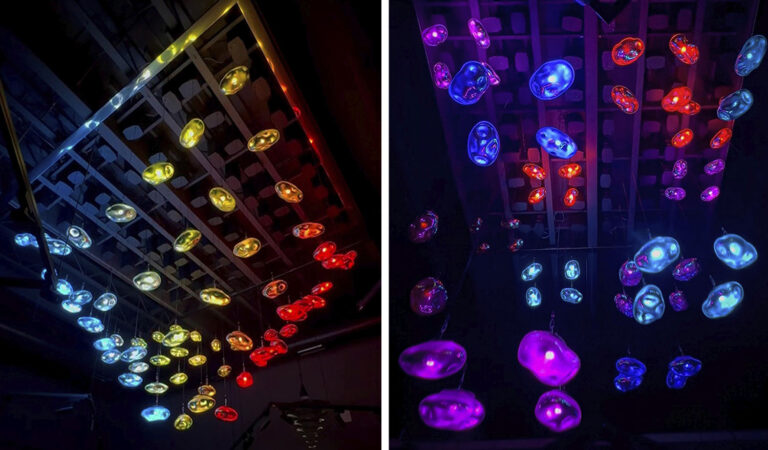
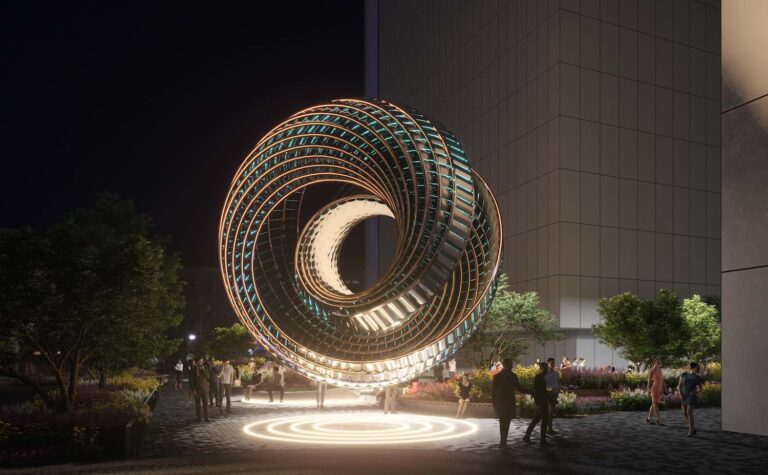
For many years public art inside buildings was treated as a decorative layer added after the architecture was completed. Sculptures appeared in lobbies, paintings hung in corridors, and installations filled empty atriums. But contemporary projects increasingly reject this approach. In large cultural buildings, airports, commercial centers, and mixed-use districts, interactive art in architecture is now considered part of spatial strategy rather than interior decoration.
Developers and architects have realized that interactive installations influence how people move through buildings, how long they stay, and how strongly they remember the place. A responsive façade, kinetic ceiling, or digital installation can transform a neutral space into a recognizable landmark. In large complexes this effect becomes economically measurable: increased dwell time, higher visitor engagement, stronger identity for the project. The most successful examples of interactive art building design therefore emerge not from isolated artistic gestures but from careful integration into architectural planning, circulation design, and technological infrastructure.
The role of interactive art in modern architecture
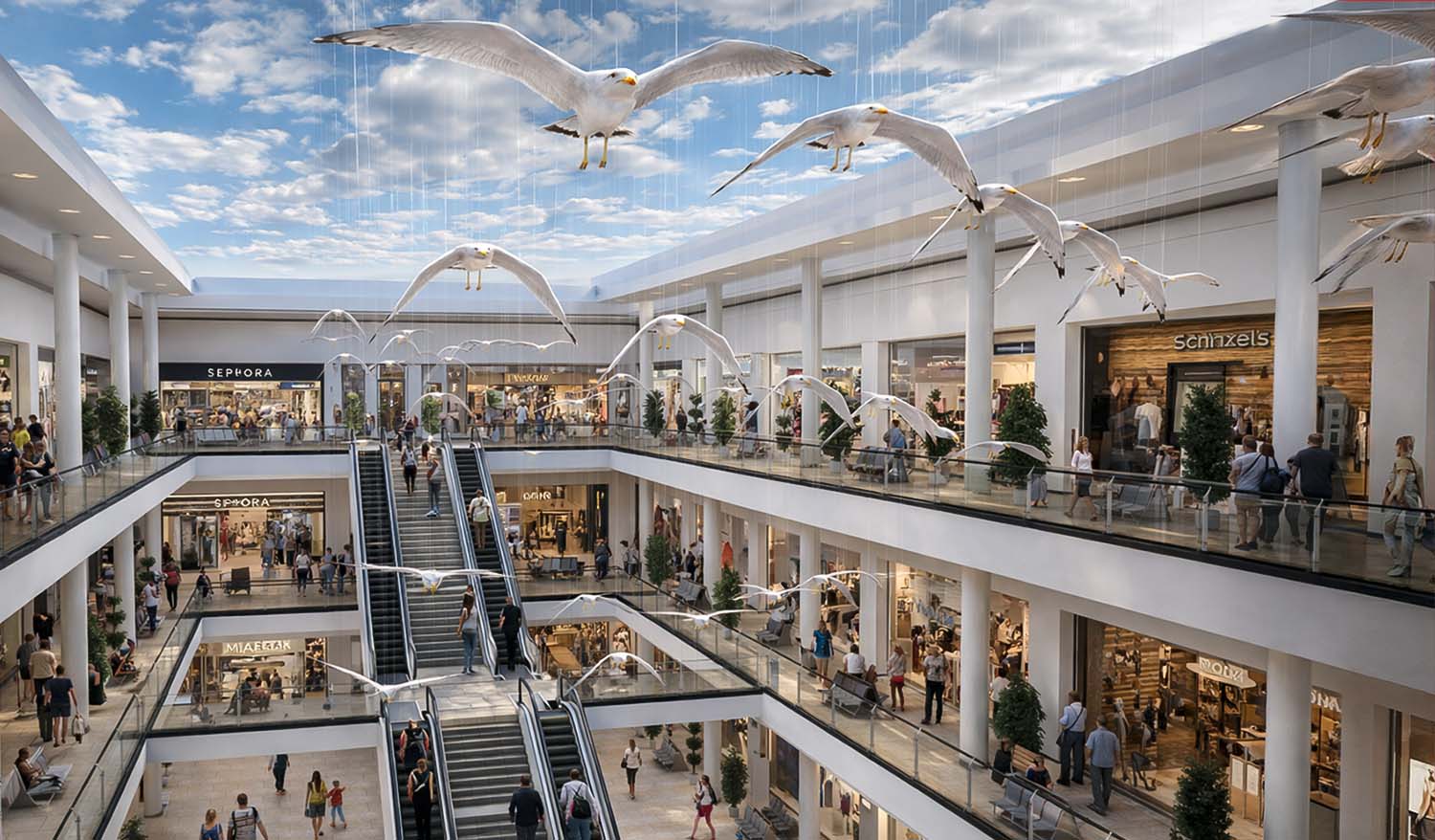
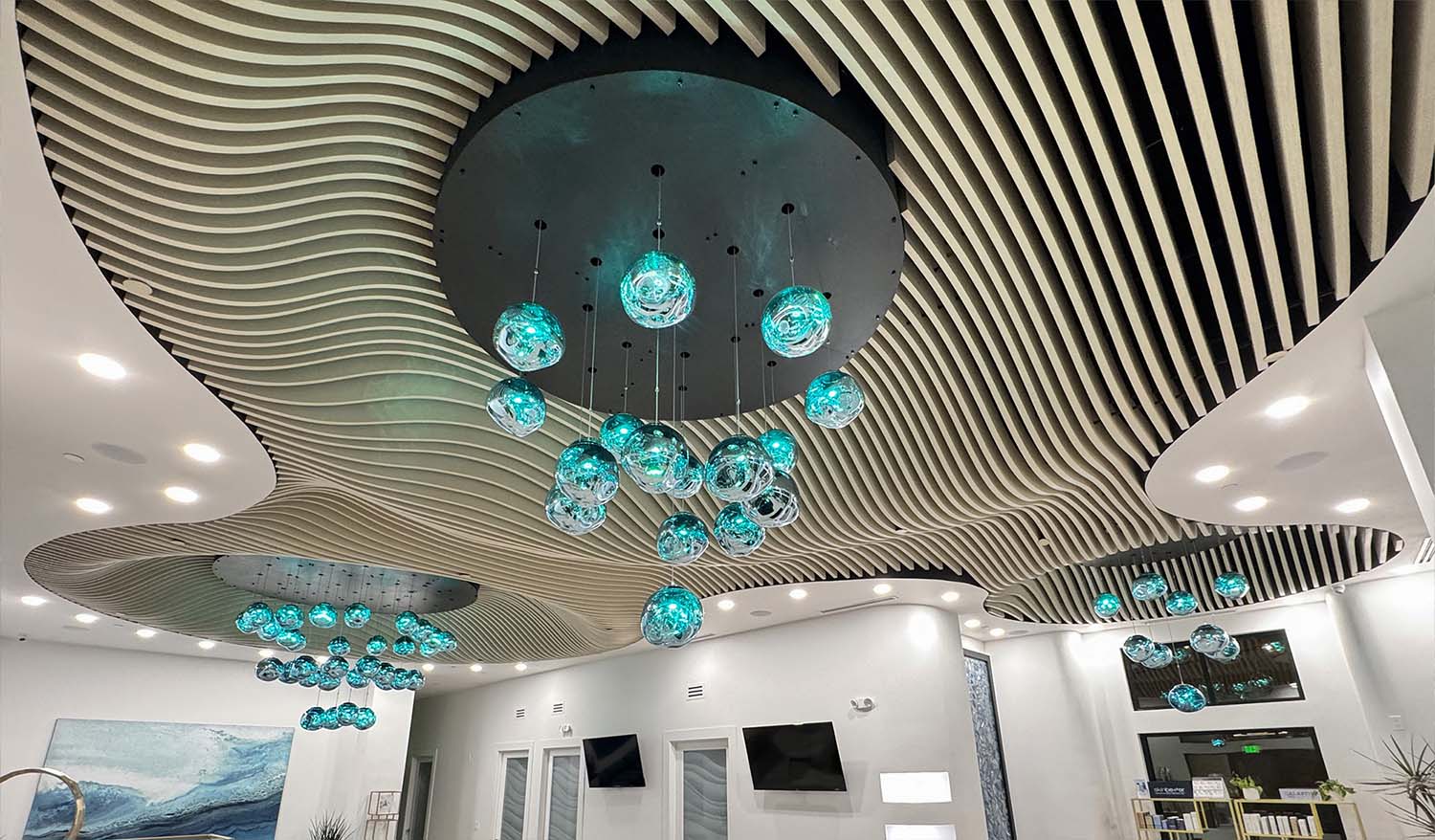
In contemporary architecture, interactive installations often function as spatial devices rather than standalone artworks. Large public buildings — airports, shopping malls, convention centers — frequently suffer from scale problems. Visitors move through enormous volumes where orientation can become difficult and spaces begin to feel interchangeable. Interactive installations help architects solve this problem by creating visual attractors. Human perception is extremely sensitive to motion and light variation. Even subtle movement in a sculpture or façade draws attention more effectively than static architecture. Architects therefore use architectural interactive installations as orientation points that naturally attract visitors and organize spatial hierarchy. A well-placed installation becomes the “center of gravity” of a space. In airport terminals it may anchor a check-in hall. In a mixed-use complex it may define the central plaza or atrium. In office buildings it may mark the main lobby or social hub. For architects, the key lesson is simple: interactive art works best when it reinforces spatial logic rather than simply filling empty space.
Why architects use interactive installations
From a developer’s perspective, interactive installations deliver several practical advantages.
- First, they create destination value. In competitive urban environments, buildings increasingly compete not only with neighboring projects but also with digital experiences. Interactive installations give visitors a reason to physically visit a space.
- Second, they increase dwell time. In commercial environments, installations that respond to movement or generate visual spectacle encourage people to stop, observe, and interact. This effect is widely used in retail complexes and cultural buildings.
- Third, they help establish identity. Many successful projects today are remembered primarily because of a single architectural installation.
For example, the famous digital wave installation on the façade of COEX K‑Pop Square has become one of the most photographed urban screens in Asia. The building itself is relatively conventional, but the media installation transformed the façade into a global landmark.
Developers increasingly understand that such interactive building features can generate enormous visibility for a project without altering the overall architecture. The secret is ensuring that the installation aligns with the building’s spatial narrative rather than appearing as an unrelated spectacle.
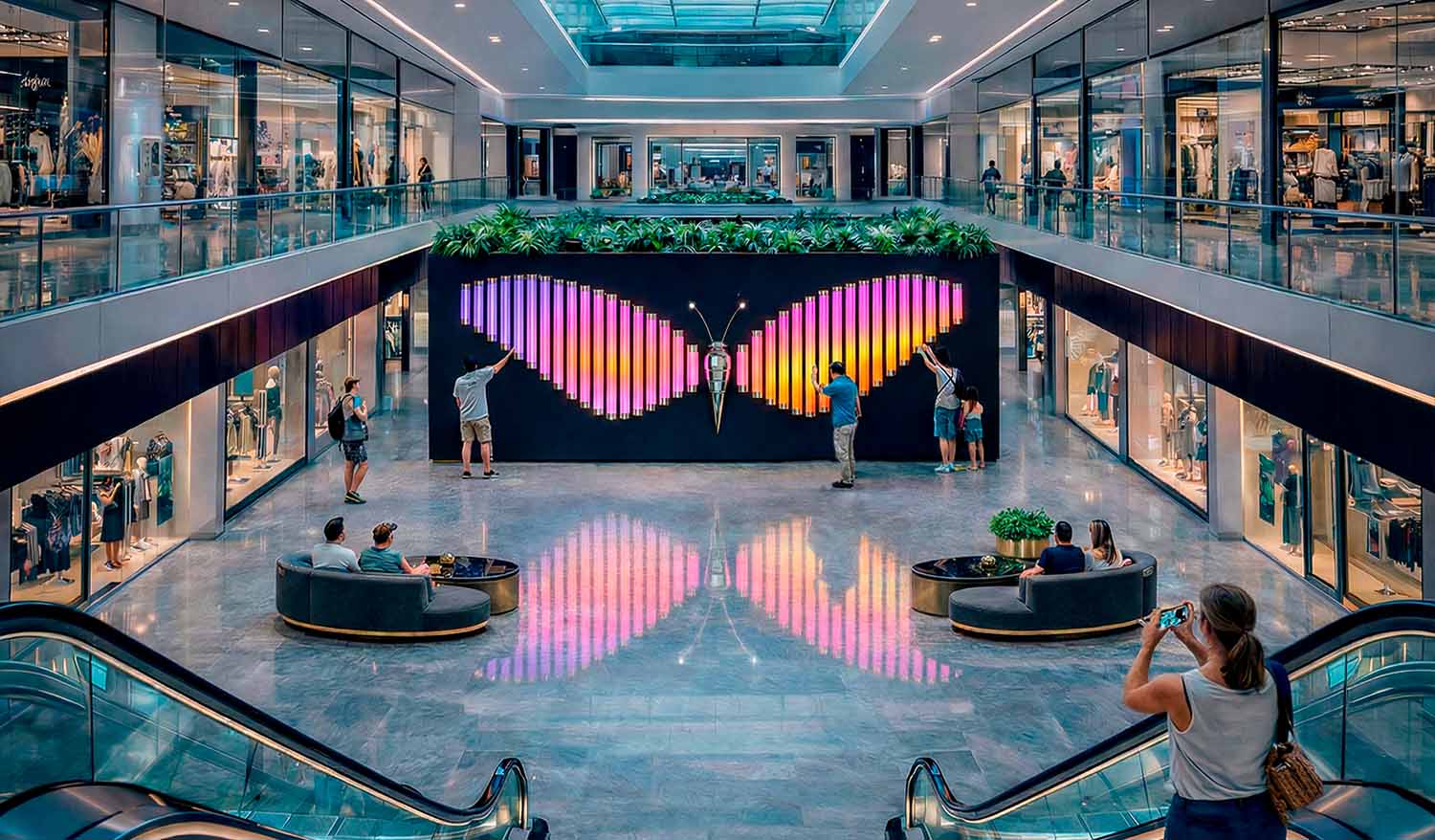
Integration of art into facades and atriums
Architects typically integrate interactive art into two primary architectural zones: façades and atriums.
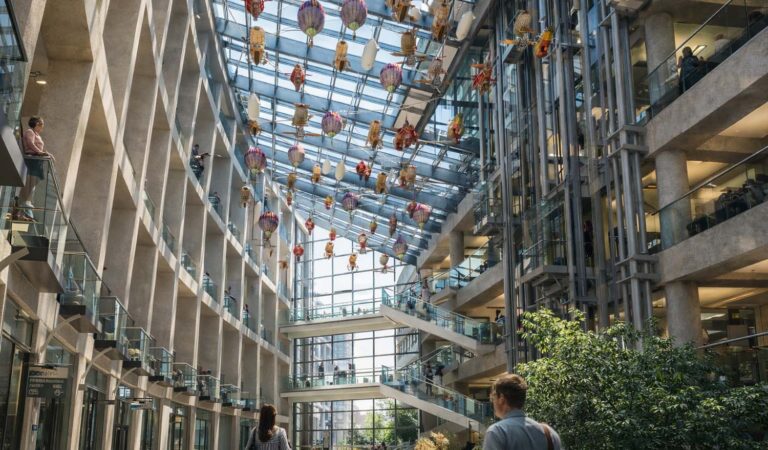
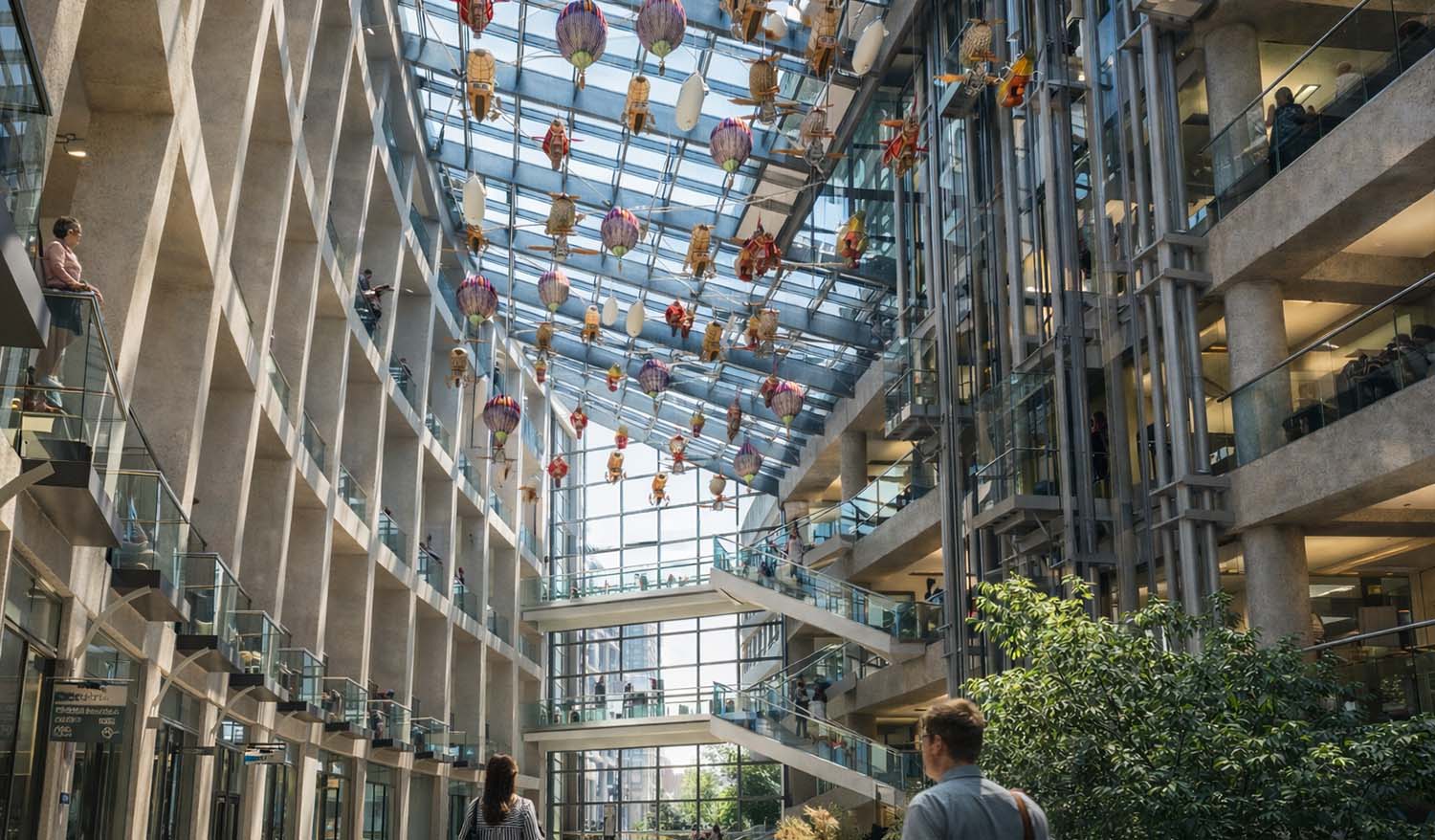
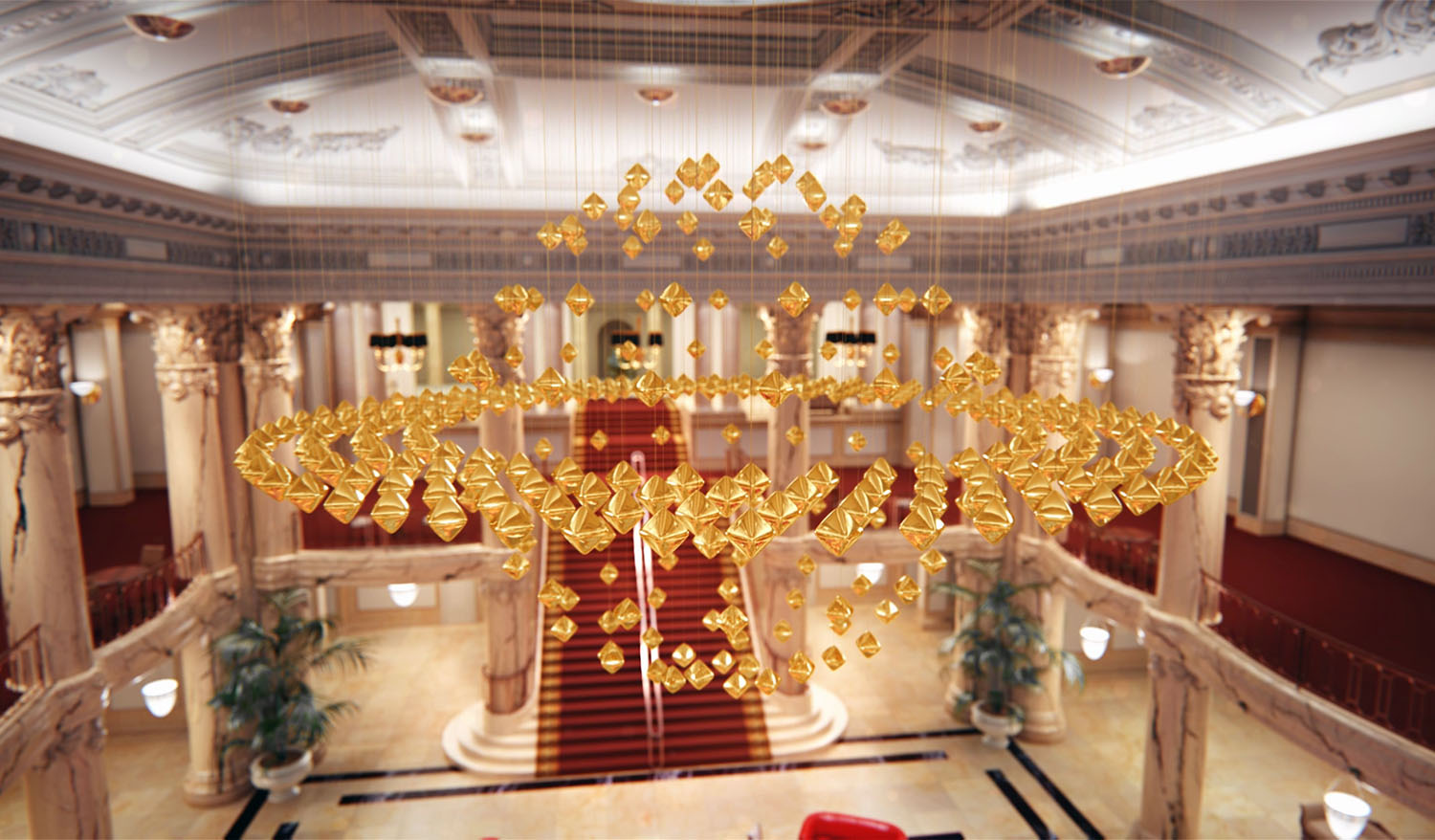
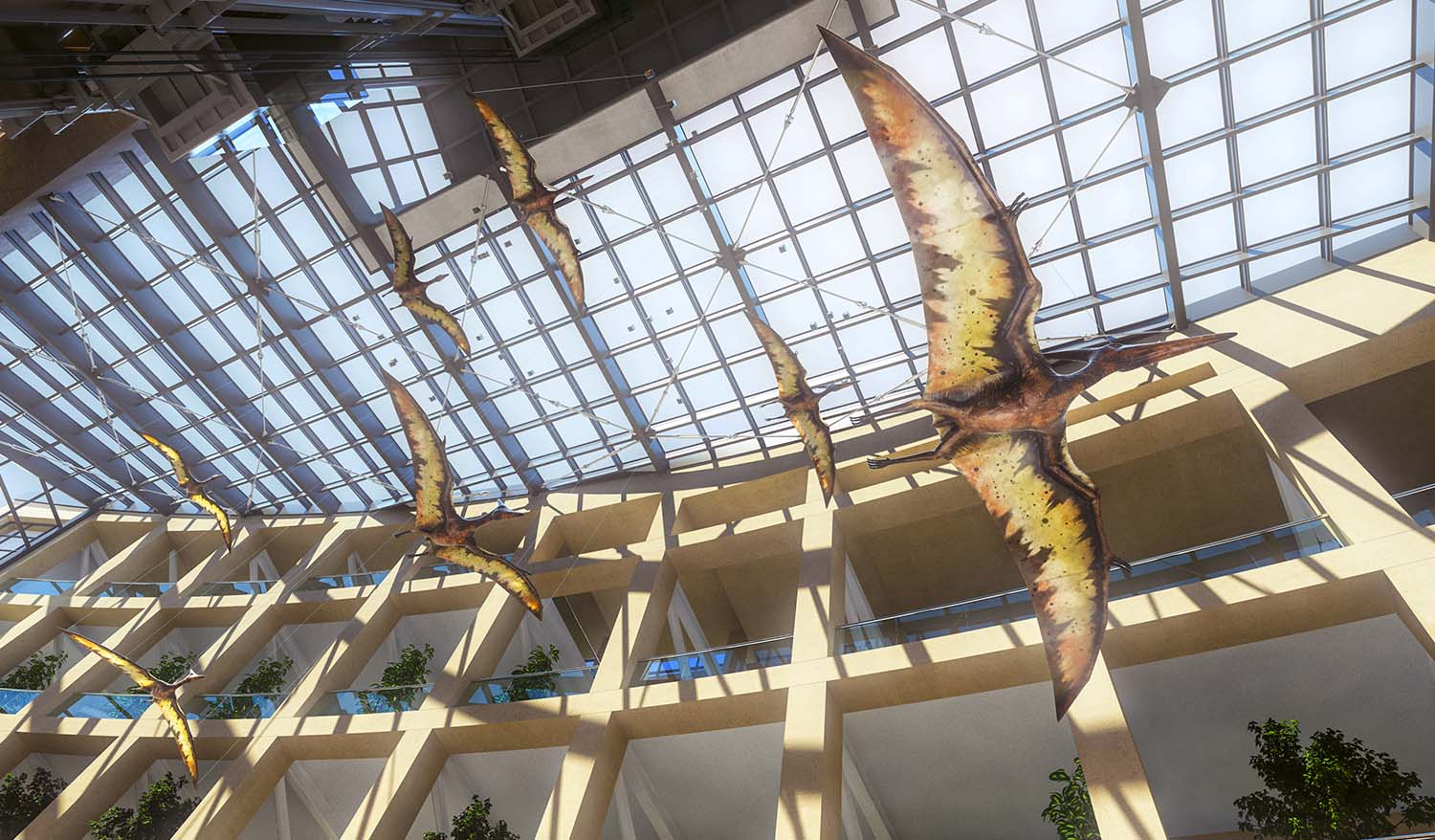
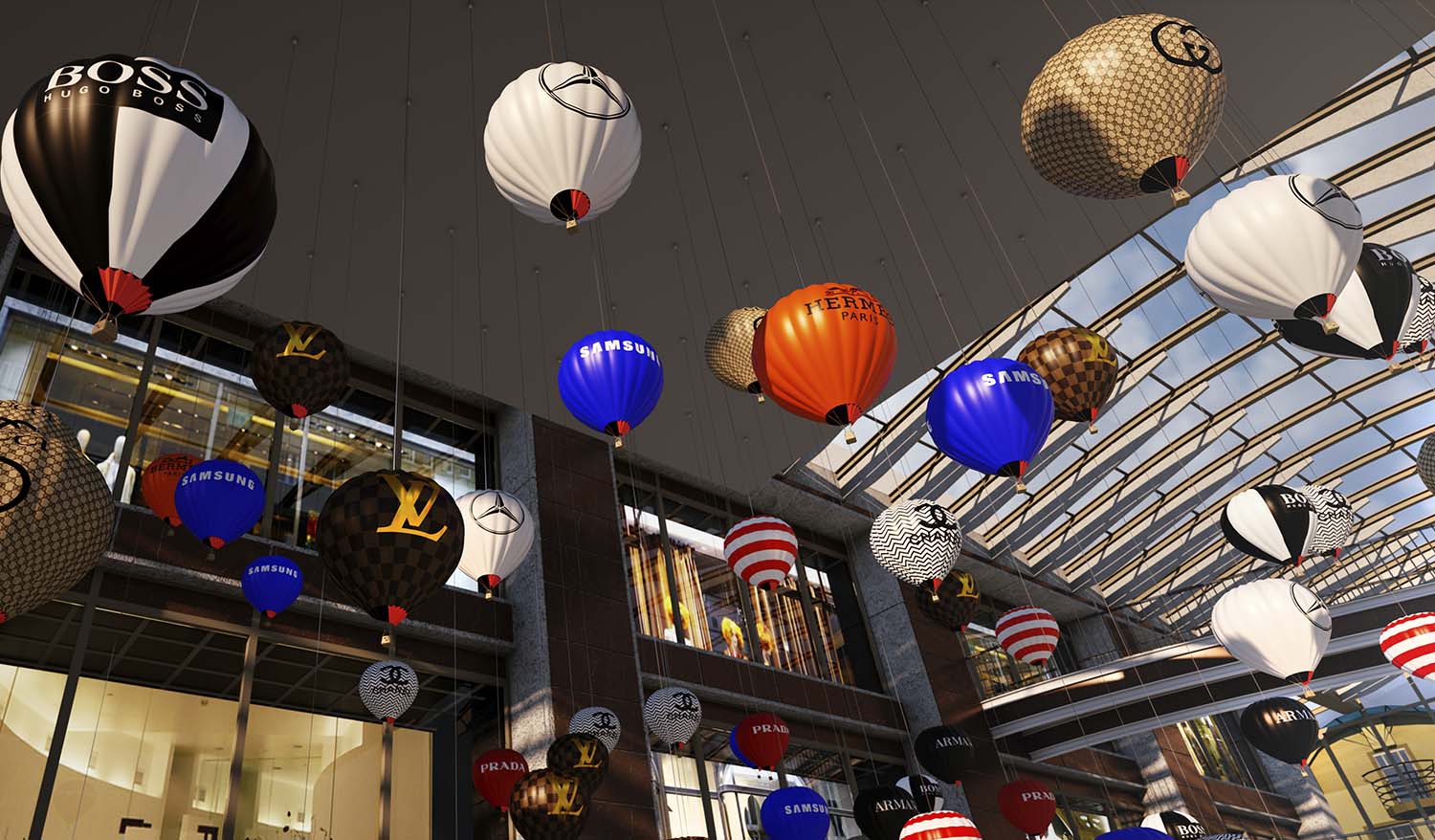
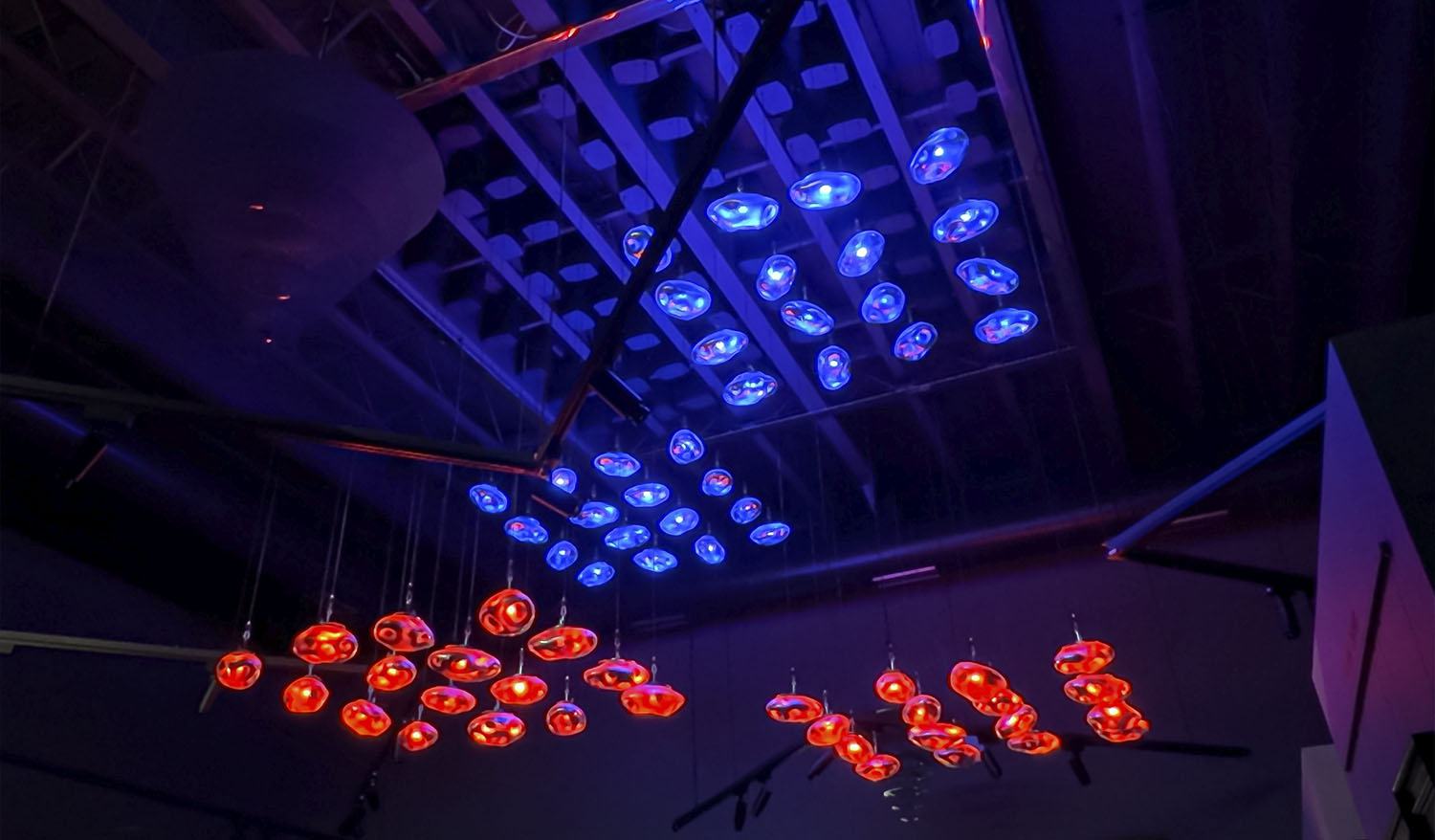
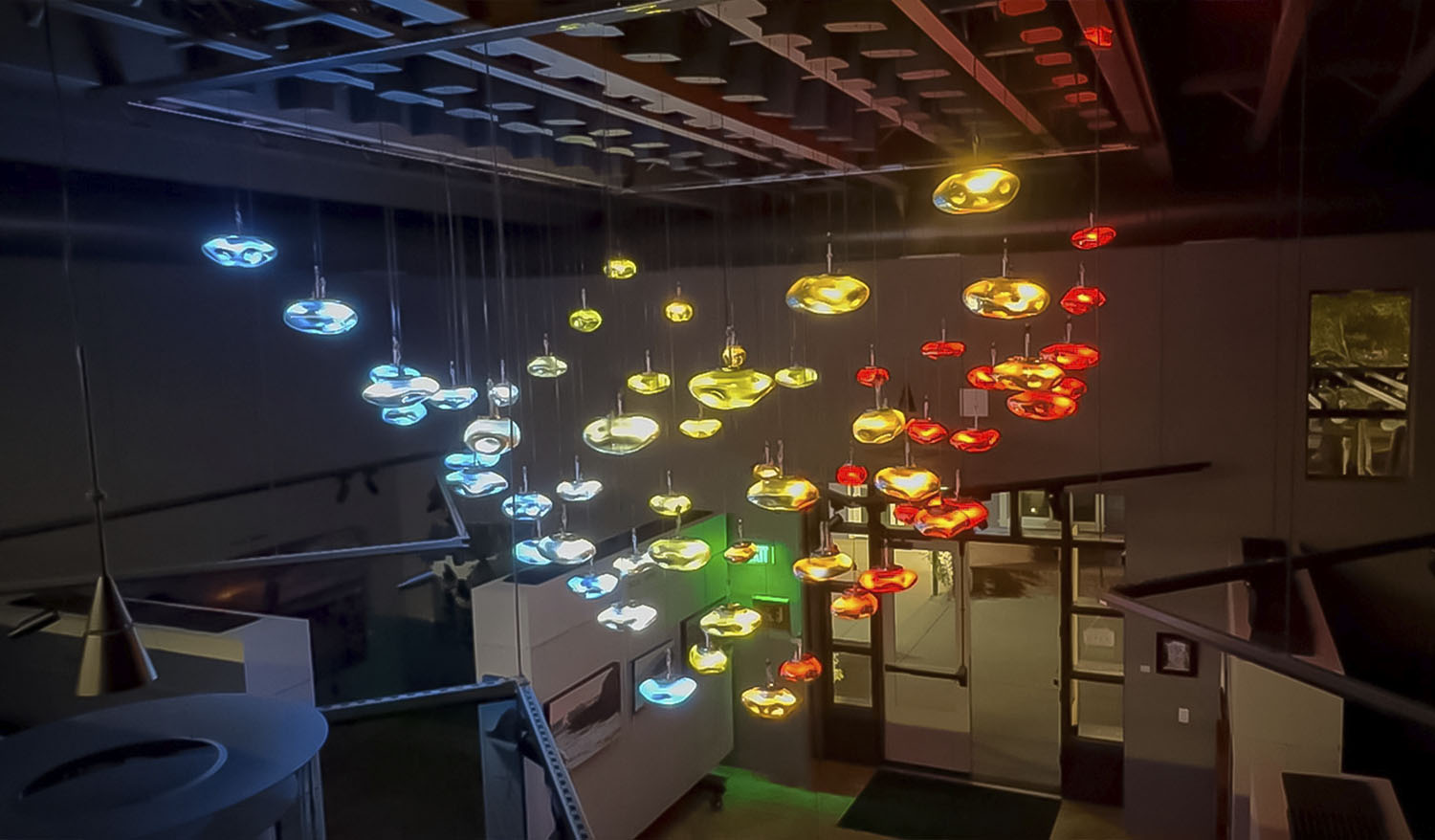
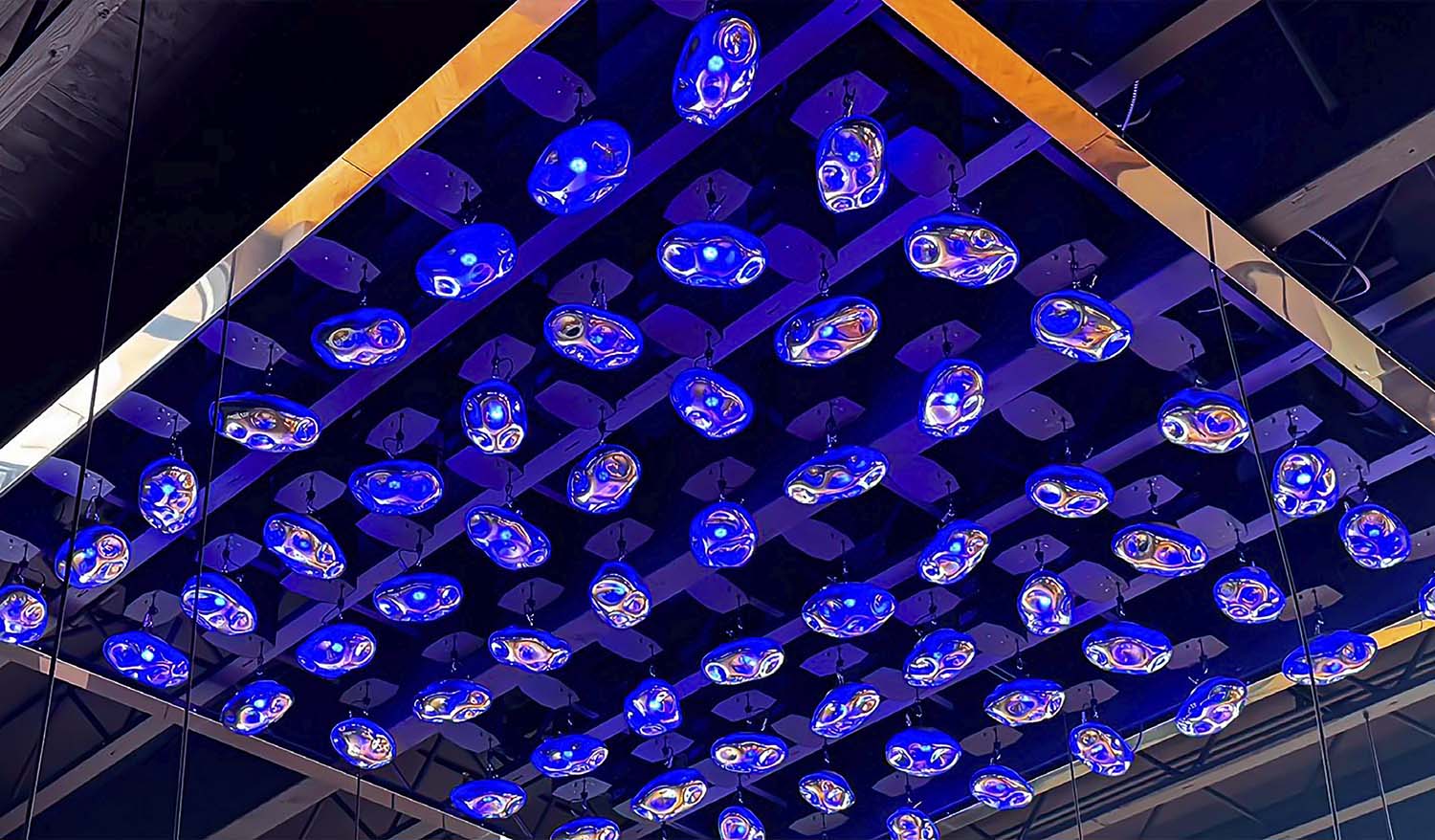
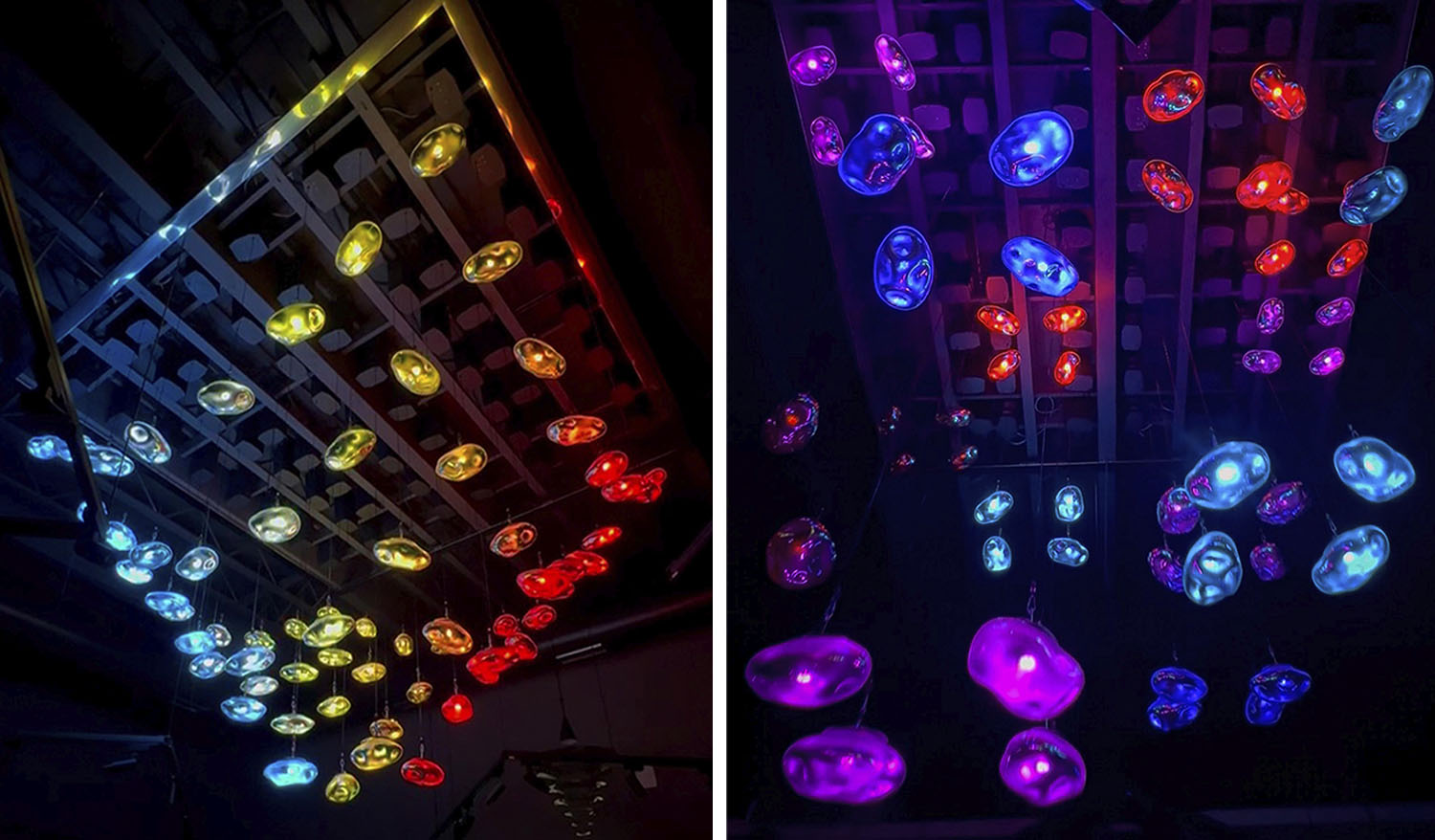
Atriums are particularly effective environments for kinetic or interactive installations because they provide vertical volume and multiple viewing angles. Suspended sculptures or moving elements can be seen from different floors, creating dynamic spatial layers. A classic example of this strategy can be found in large transportation hubs. Suspended kinetic installations often act as spatial anchors above circulation zones, helping travelers orient themselves within complex interiors.
Façades, by contrast, operate at the urban scale. Interactive facade design transforms the building envelope into a responsive surface that communicates with the surrounding city. One of the most technically sophisticated examples is the dynamic shading system of Al Bahr Towers. Thousands of triangular panels open and close in response to sunlight, reducing solar gain while creating a constantly shifting geometric pattern across the façade. This project demonstrates how architectural art integration can simultaneously improve building performance and produce a distinctive visual identity. The key design insight is that façade installations should respond to environmental forces such as sunlight, wind, or urban movement patterns. When these systems are driven by real environmental data, the architecture begins to behave as a living system.
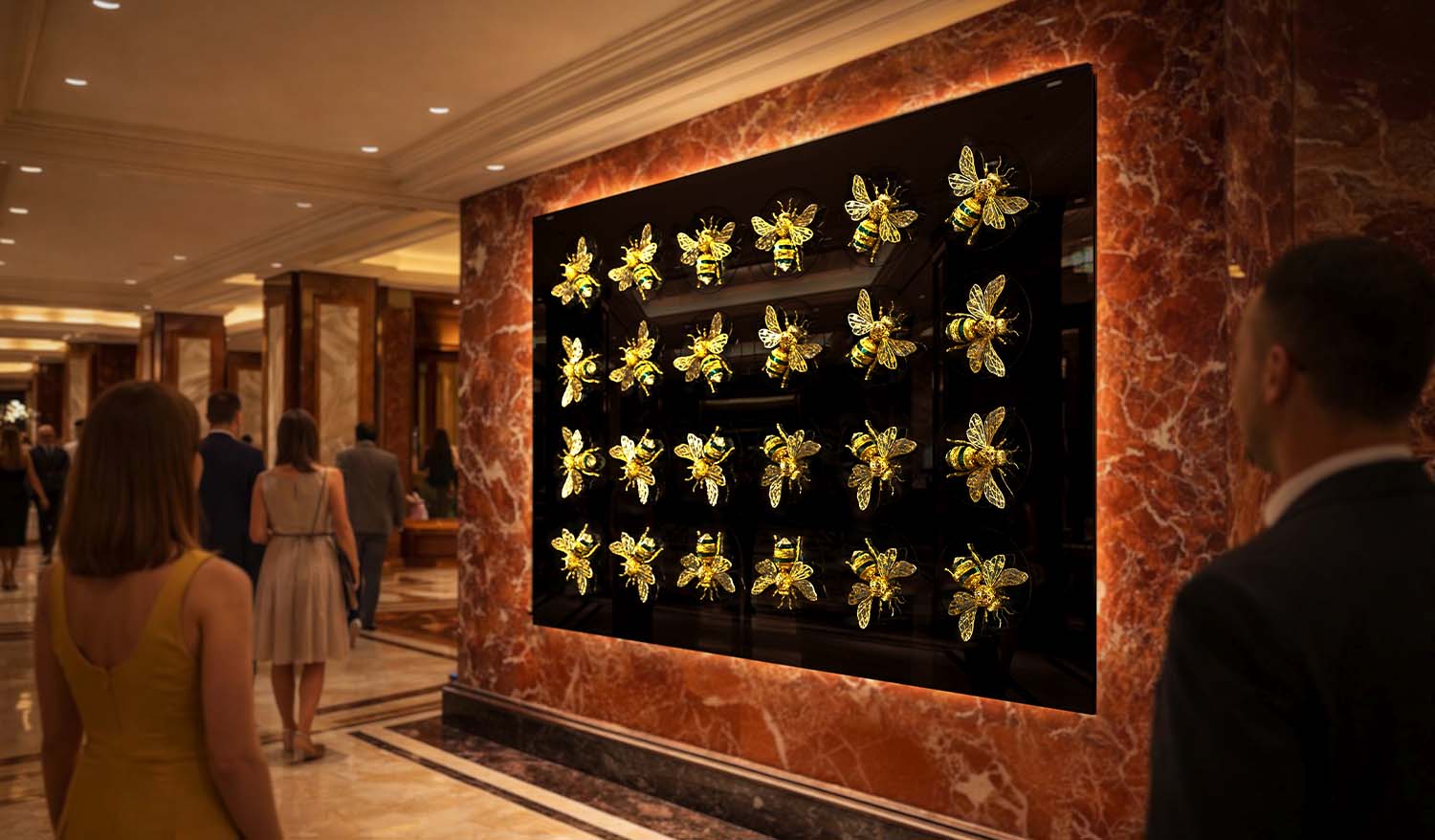
Technology behind interactive architecture
Behind every successful architecture digital art installation lies a sophisticated technological infrastructure.
Most systems combine several layers of technology: sensors, motion control systems, lighting platforms, and software capable of real-time data processing. Sensors detect visitor movement, sound, temperature, or light conditions. Software platforms translate this information into visual or mechanical responses.
In façade systems, environmental sensors may trigger the movement of shading panels or lighting patterns. In interior installations, motion detectors or cameras allow sculptures to react to visitor proximity.
Large installations often rely on industrial control systems similar to those used in robotics or stage automation. Distributed microcontrollers coordinate motors, lighting systems, and media platforms in real time. This technical complexity means that interactive architecture must be designed as a hybrid between building systems and artistic installations. Skyform Studio’s team includes architects and engineers who develop integrated systems, while artists focus on perception, narrative, and emotional impact. Successful projects emerge when these perspectives complement each other. For developers, one practical recommendation is to plan the technical infrastructure early. Interactive installations require power distribution, control networks, maintenance access, and structural support. Attempting to add them late in the project often leads to compromised results.

Collaboration between architects and artists
Perhaps the most overlooked aspect of public art architecture is the collaborative process behind it.
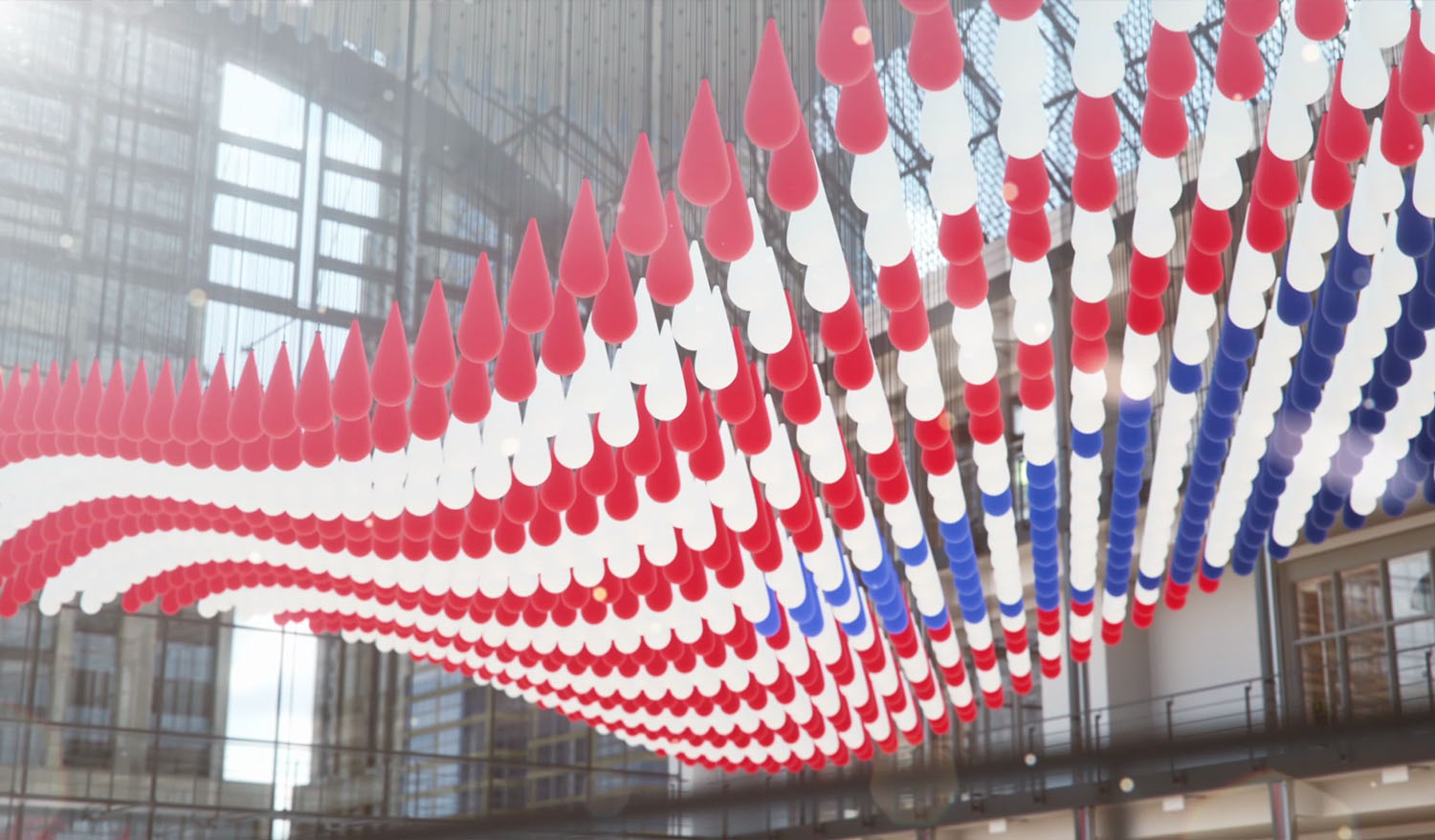
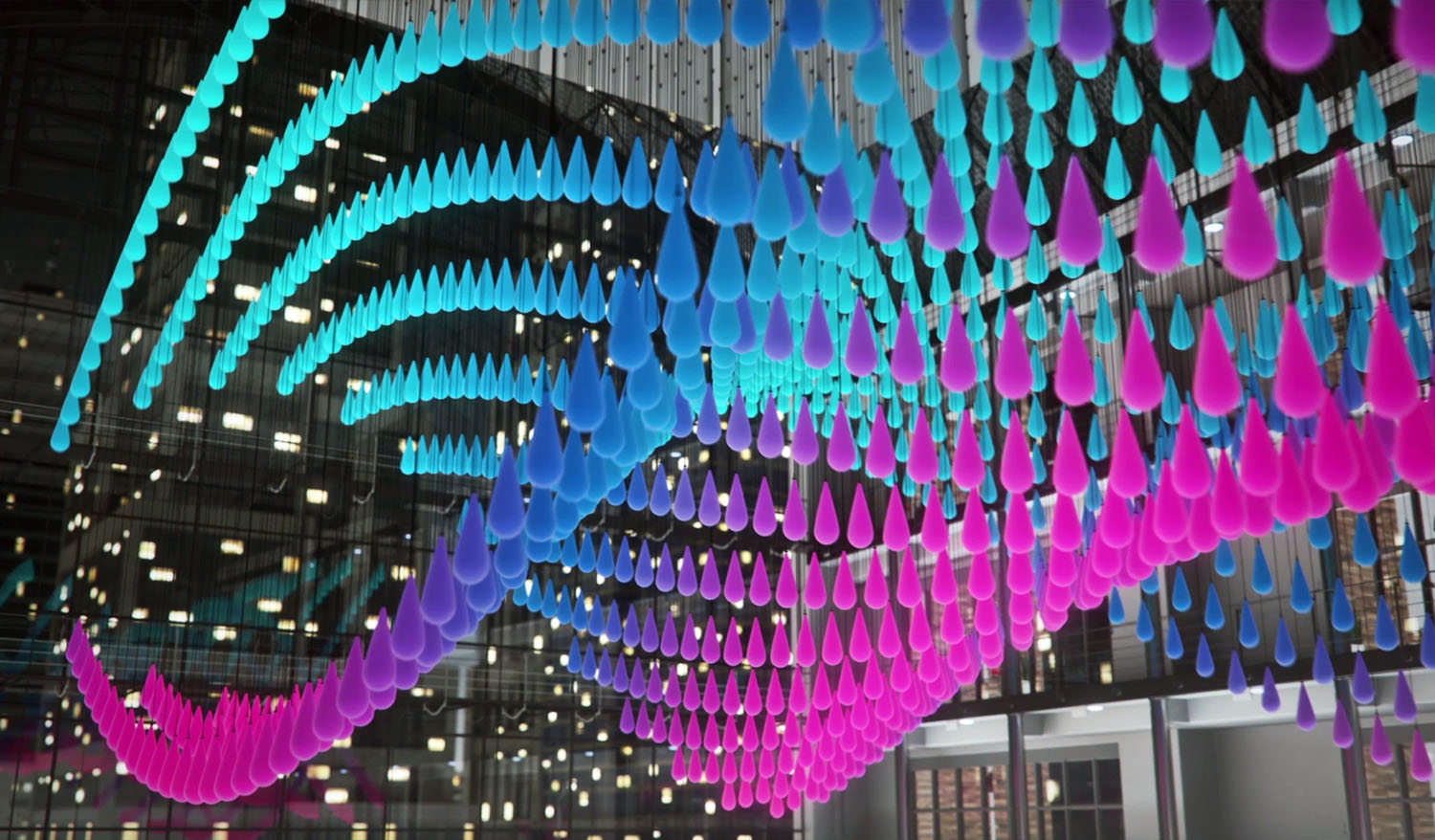
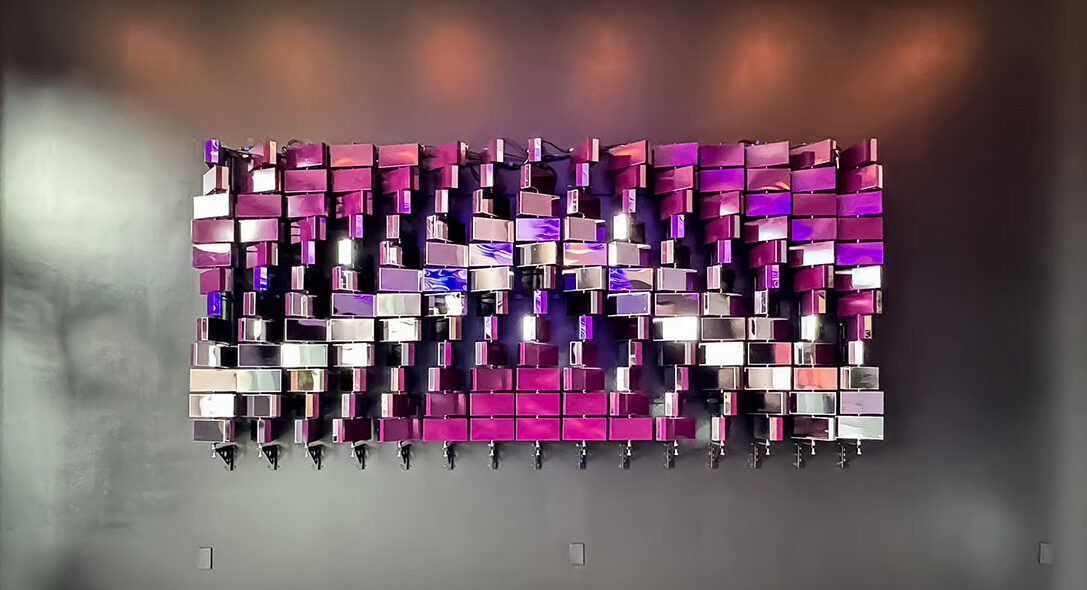
Architects and artists often approach space differently. Architects think in terms of structure, circulation, and building systems, while artists focus on perception, narrative, and emotional impact. Successful projects emerge when these perspectives complement each other. In early design stages, artists can help architects identify areas where movement or interactivity might strengthen spatial experience. Conversely, architects can guide artists toward solutions that integrate seamlessly with structural and mechanical systems. In many complex installations, engineers and software designers also play a central role. Kinetic sculptures may require sophisticated motion programming and precise synchronization across hundreds of moving elements. This multidisciplinary approach transforms the installation into a fully integrated architectural system rather than an isolated artwork.
Practical lessons for architects and developers
Several practical strategies consistently appear in successful projects.
- First, interactive installations should reinforce spatial hierarchy. Placing them at major intersections, atriums, or visual axes maximizes their spatial impact.
- Second, motion should be subtle rather than overwhelming. Slow or rhythmic transformations often create stronger emotional responses than constant rapid movement.
- Third, installations should interact with natural forces whenever possible. Wind, sunlight, and human movement provide powerful inputs that allow installations to evolve continuously.
Finally, maintenance must be considered from the beginning. Interactive installations rely on mechanical and digital systems that require long-term servicing. Designing accessible maintenance pathways and modular components significantly increases operational longevity.
These practical considerations often determine whether an installation becomes a beloved landmark or a costly technical problem. Interactive art has become one of the most powerful tools for shaping contemporary architectural experience. When thoughtfully integrated into building design, installations can guide circulation, strengthen spatial identity, and transform buildings into memorable destinations. The most successful examples of interactive art in architecture emerge from deep collaboration between architects, artists, engineers, and developers. Rather than functioning as decorative additions, these installations become part of the building’s spatial and technological infrastructure. As cities continue to compete for attention and cultural relevance, interactive art building design will likely play an increasingly central role in shaping the architecture of public space.
Contact Us
Planning to integrate interactive art into your architectural project? Explore our portfolio or contact the SKYFORM STUDIO team to discuss your development.
In contemporary architecture, interactive installations are most effective when considered from the earliest design stages. Rather than acting as decorative additions, they become part of the spatial strategy — shaping circulation, reinforcing visual hierarchy, and defining how users experience the environment.
Successful integration requires coordination between architecture, engineering, and digital systems. Interactive façades, kinetic atrium installations, and responsive environments must align with building structure, infrastructure, and long-term operational requirements.
At SKYFORM STUDIO, we collaborate with architects and developers to design and deliver interactive installations as fully integrated architectural elements. From concept and spatial strategy to engineering and realization, each project is developed to enhance identity, engagement, and the overall architectural experience.
Frequently asked questions (FAQ)
Interactive art in architecture refers to installations integrated into buildings that respond to human presence, environmental conditions, or digital data through movement, lighting, or media.
Interactive installations increase visitor engagement, extend dwell time, and help buildings establish strong visual identities.
Atriums, plazas, and façades are the most common locations because they provide visibility from multiple perspectives.
Typical systems include motion sensors, environmental sensors, programmable lighting, digital media façades, and kinetic motion control systems.
Ideally during early masterplanning, because installations require structural support, power infrastructure, and integration with building systems.
Author of the article