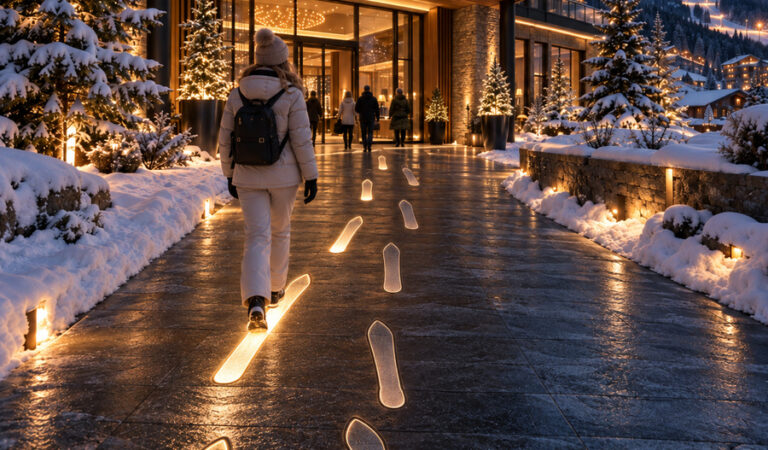
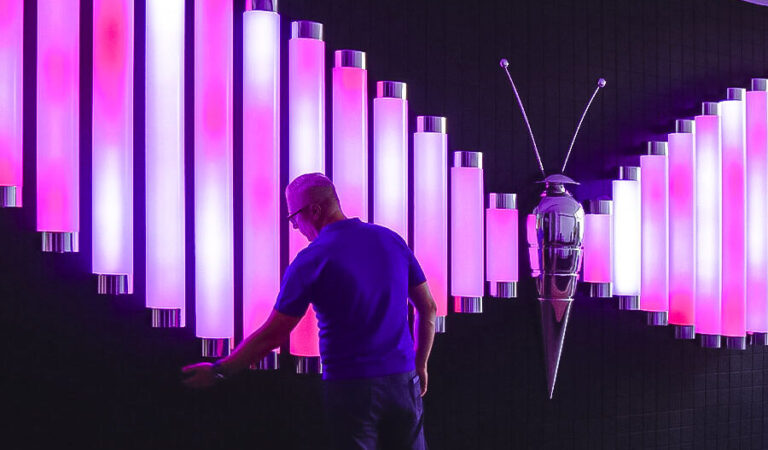
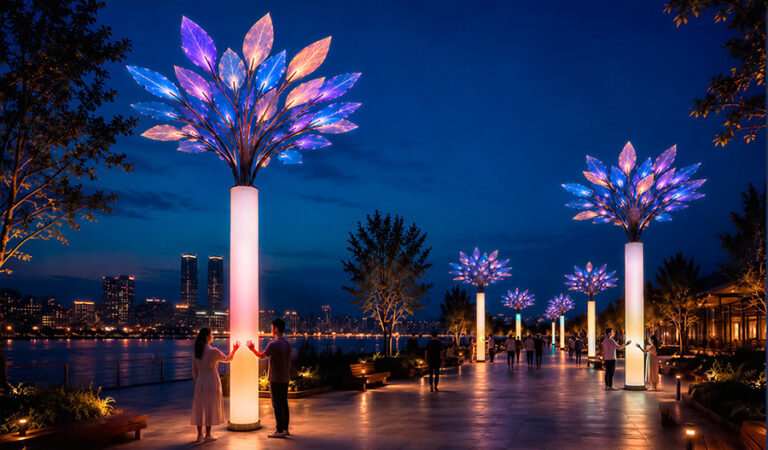
Art objects are usually perceived as something permanent: an object is installed in a specific location and retains the same appearance for years. But a modern interactive installation can function differently.
If programmable lighting, interactive scenarios, modular elements, and control systems are incorporated during the design phase, the same art installation can be adapted to reflect the season, holidays, city events, or the specific program of a given space—without having to dismantle the main structure.
For developers, architects, hotel complexes, shopping centers, and public spaces, this opens up a new approach: the building remains recognizable, but its visual character and interaction with visitors can be constantly updated.
A Permanent Structure—A Changing Scenario
An adaptive installation should not look like a permanent art object that is simply supplemented with seasonal decorations from time to time.
A more interesting approach is to design it from the outset as a system consisting of fixed and variable parts.
The basic form, structural framework, and key materials can remain unchanged, while lighting scenarios, interactive features, individual decorative elements, or digital content can be updated.
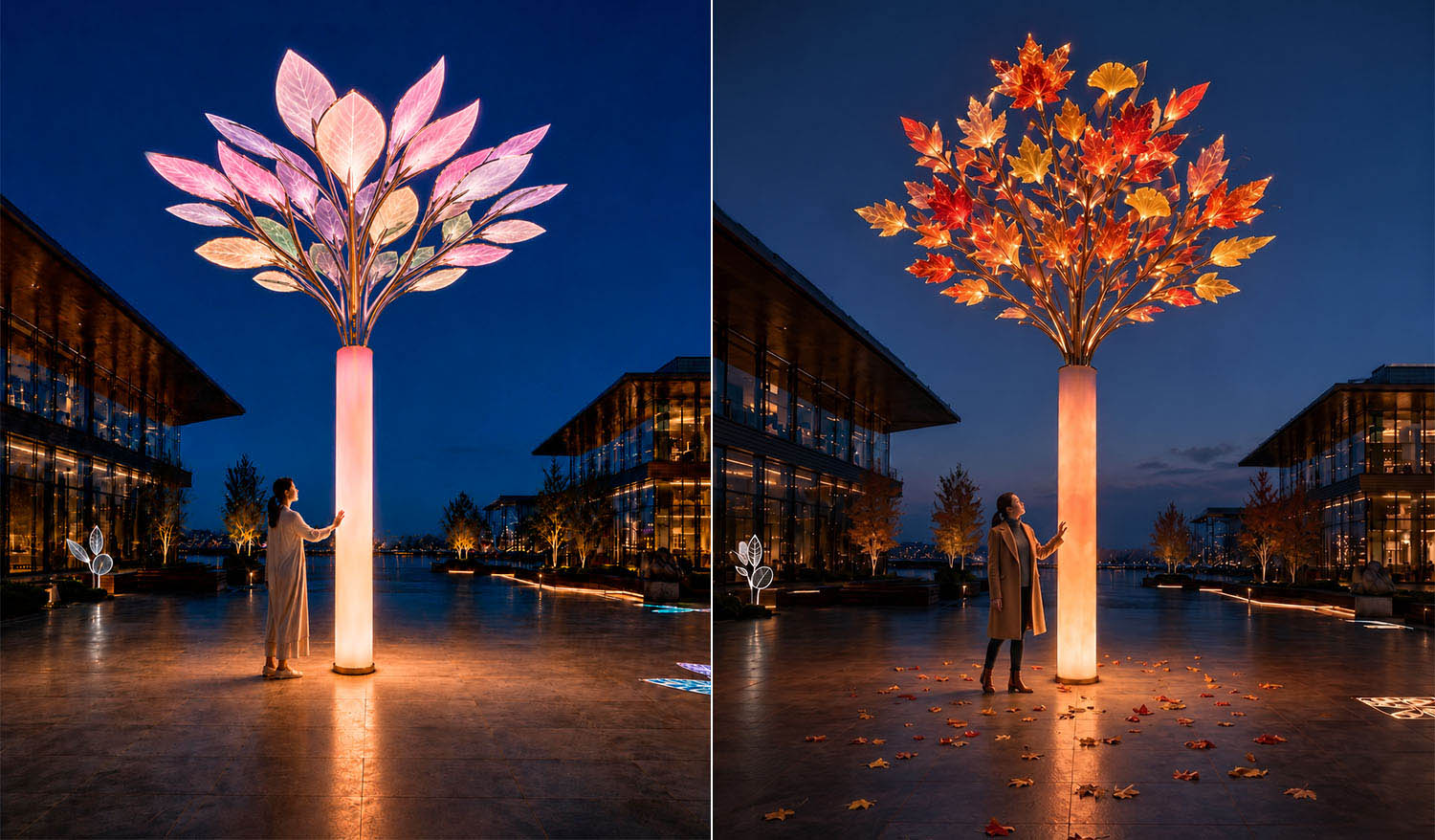
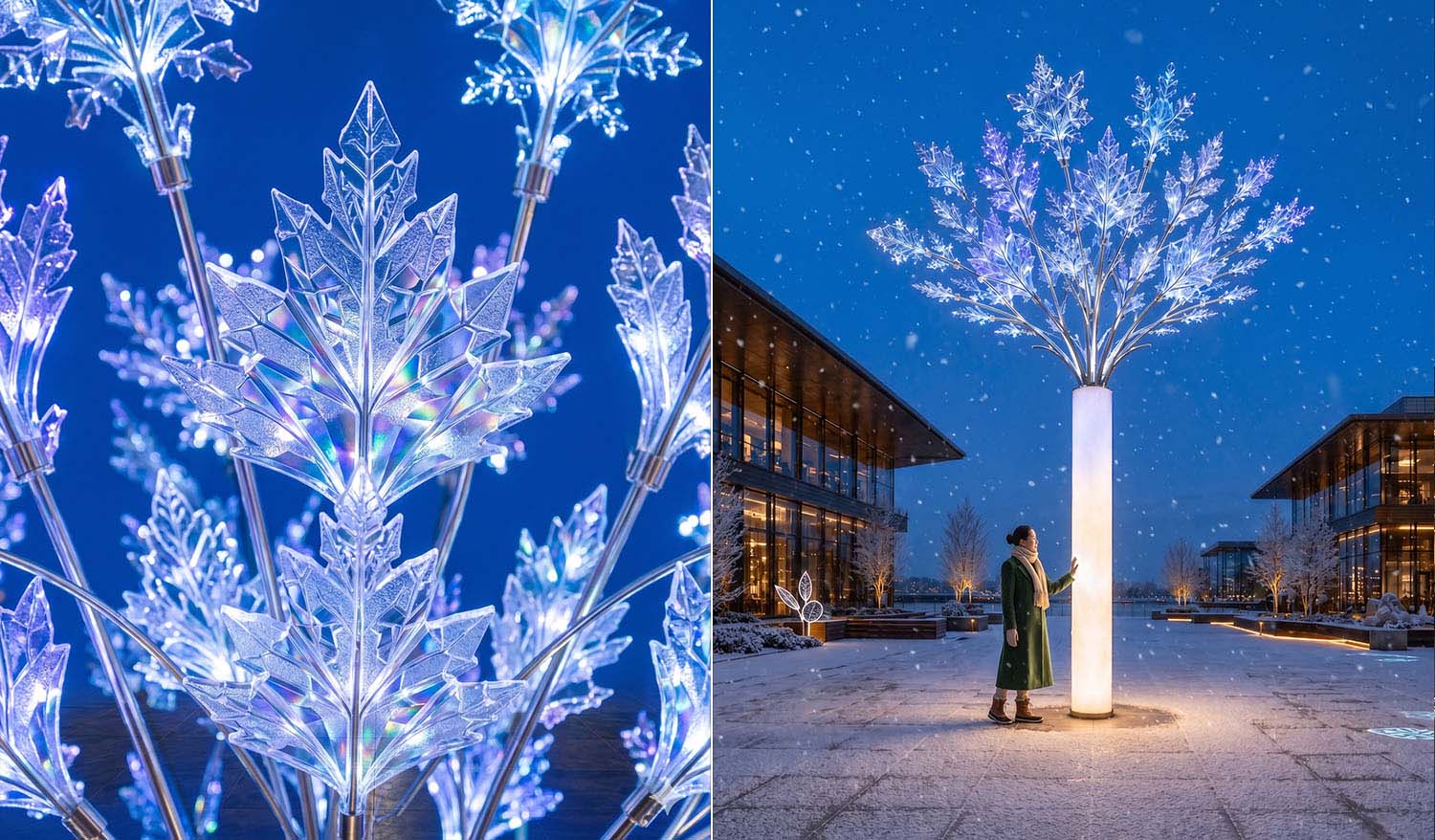
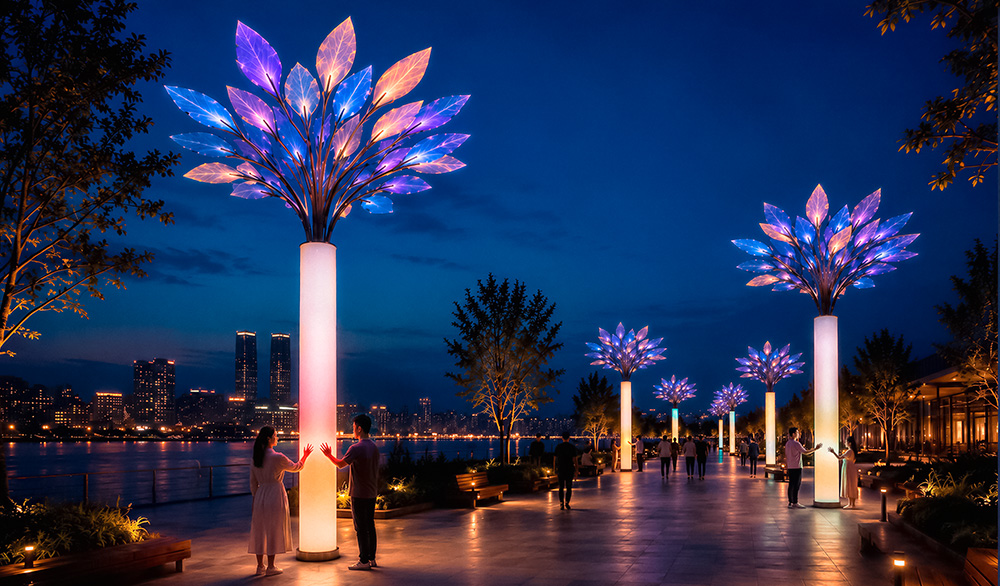
For example, in winter interactive installation It can operate using a cooler color palette, become softer and more dynamic in the spring, respond to people’s movements in the summer, and feature an entirely new lighting scenario during the city festival.
At the same time, there is no need to dismantle the structure and rebuild it.
Light as One of the Most Versatile Tools
Programmable lighting is one of the most effective ways to change the way an art object is perceived.
Modern RGBW systems, addressable LED fixtures, and control systems make it possible to create dozens of lighting scenarios in advance for a single design.
Interactive installation It can look understated on an ordinary day and become more striking during a holiday, festival, or special event.
It’s not just the colors that can change. You can also adjust the brightness, the speed of transitions, the order in which elements turn on, the rhythm of the light, and how the lights respond to human presence.
It is important that lighting be incorporated into the architecture of the building from the outset, rather than added after the design is complete. That way, light becomes part of the artistic concept, rather than merely a decorative effect.
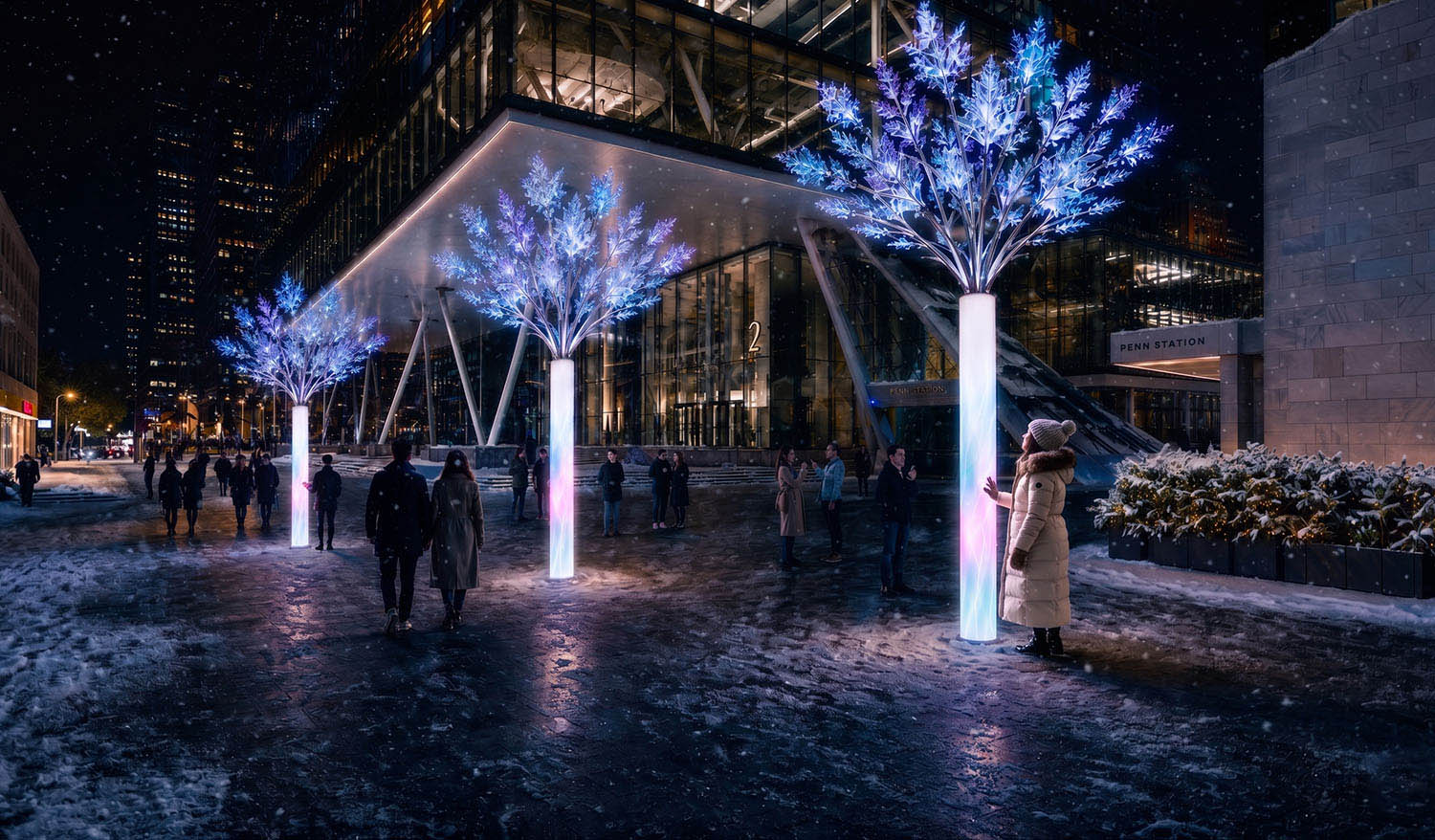
Interactivity can also be reprogrammed
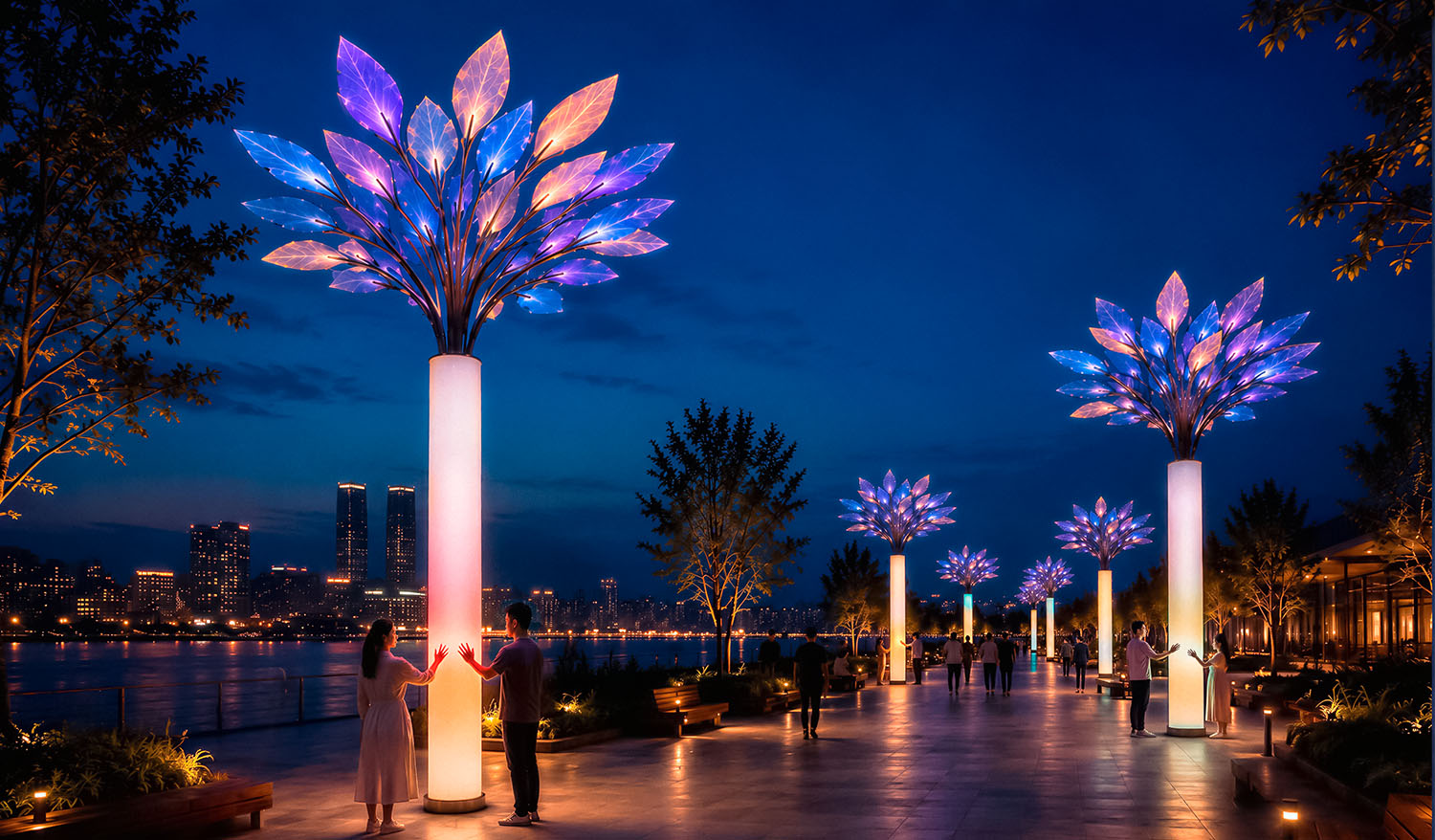
If an installation uses motion, touch, pressure, or distance sensors, or other interaction systems, its behavior may also change throughout the year.
For example, the same surface may react differently to touch depending on the selected scenario.
The system can change the color, brightness, duration of the response, or sequence of lighting effects.
To do this, it is not necessary to replace the sensors themselves or redesign the system. In many cases, it is sufficient to modify the software logic.
So the physical form remains the same, while the user enjoys a new interactive experience.
Modular elements allow you to change the appearance
In some projects, physical interchangeable components are added to programmable systems.
These can include panels, decorative inserts, suspended parts, translucent elements, graphics, or individual small components.
The main goal is to ensure that the seasonal elements can be easily changed while the main structure remains intact.
If such solutions are planned in advance, renovating a property becomes a straightforward maintenance project rather than a new construction project.
Why Is This Important for Public Spaces?
This flexibility is particularly appealing for real estate development projects, hotels, complexes, shopping centers, and urban plazas.
A permanent art installation usually blends into the familiar background over time. But if its lighting, concept, or individual elements change from time to time, people have a reason to take notice of it again.
The same installation can be used to showcase different events throughout the year: winter holidays, spring festivals, summer events, national holidays, openings, marketing campaigns, or special programs organized by the venue itself.
As a result, the installation functions not only as a sculpture but also as a platform for continuously updating the environment.
Adaptability must be incorporated at the design stage
For the installation to truly be adaptable without requiring a complete overhaul, the technical infrastructure must be planned in advance.
This applies to lighting control systems, electrical systems, equipment access, interchangeable mounts, moisture-proof connections, programming, and maintenance.
It is also important to decide which parts of the object should remain constant and which ones it actually makes sense to make modifiable.
It isn’t necessary to turn the entire structure into a transformer. Often, a few well-chosen elements—such as lighting, interactivity, or individual modules—are enough.

Change doesn’t have to be radical
A seasonal makeover doesn’t mean the property has to look completely different every time.
Sometimes subtle changes are the most effective.
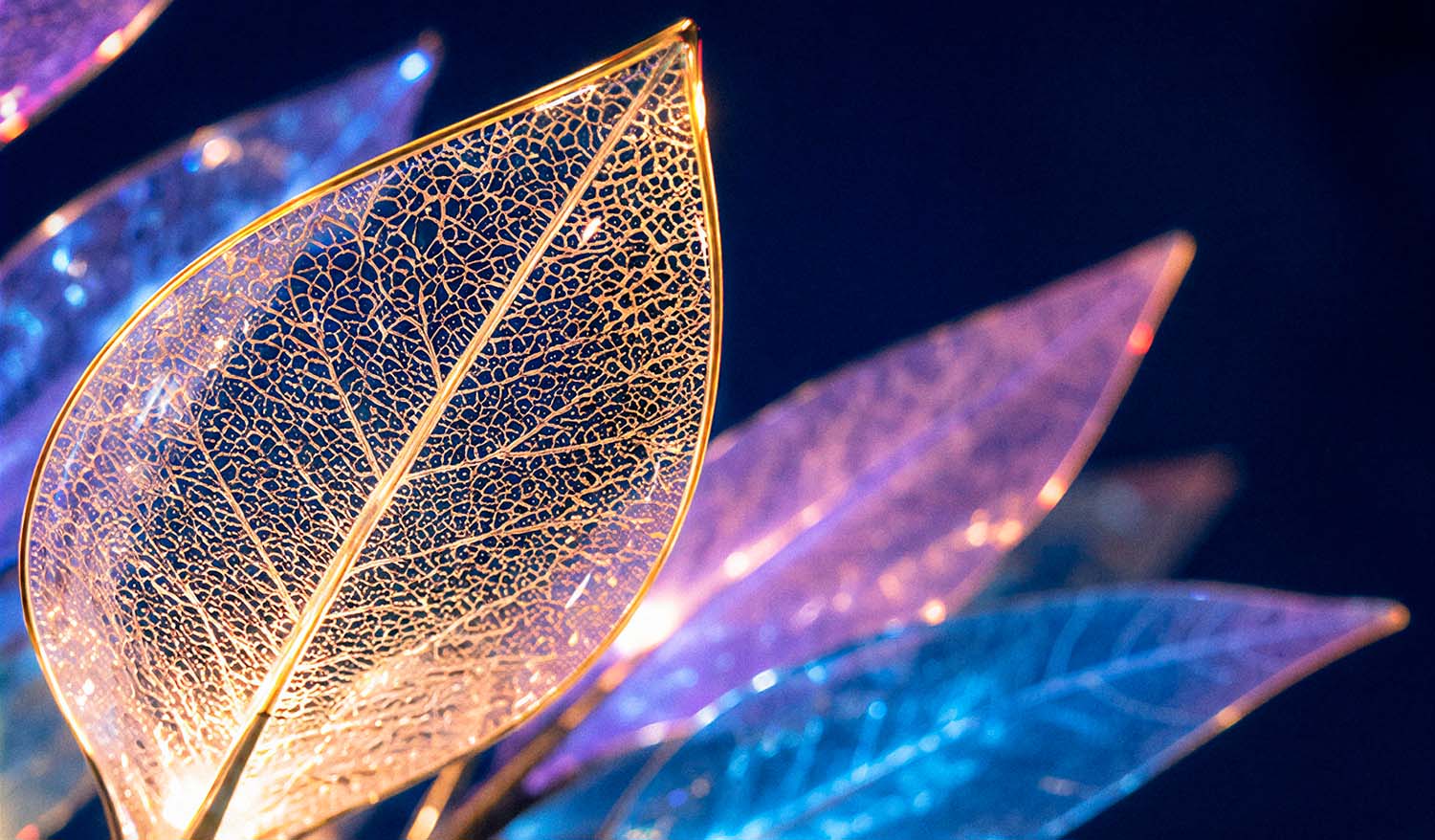
A different shade of light, a slower or faster pace, a new response to human presence, or a change in the intensity of movement can completely transform the atmosphere of a space.
At the same time, its visual identity remains intact.
It is precisely this balance between familiarity and innovation that often makes an installation more enduring in terms of how it is perceived.
Added Value for the Developer
For a property owner or developer, an adaptive installation may also be of interest from the perspective of long-term operation.
Instead of installing temporary decorations or creating new structures every year, you can use a single, well-designed installation and regularly update its scenarios.
This helps preserve the integrity of the space, reduce the amount of rework, and create a sense of freshness at the same time.
Essentially, a single investment begins to generate returns across multiple visual and event-driven scenarios.
A contemporary art installation can be more than just a static object; it can be part of a vibrant urban environment.
Light, motion, sensors, interactive technologies, and modular solutions make it possible to create spaces that evolve along with the environment and its program.
The question is no longer just about how to create an attractive design.
It is much more interesting to determine which elements should remain constant and which ones can be transformed so that the installation continues to surprise people months and years later.
Contact Us
Are you ready to create an interactive installation designed for real-world urban environments? Check out our portfolio or contact the SKYFORM STUDIO team to discuss your project.
Developing an interactive installation in a dense urban environment goes beyond digital content and adaptive hardware. It requires an understanding of how sensor technologies, media, movement, architectural scale, and the rhythm of public life interact in real-world urban settings.
В SKYFORM STUDIO We design, develop, manufacture, program, and install interactive, kinetic, and media installations as integrated systems. We also create fountains and integrated water features when projects require a combination of movement, light, and controlled environmental effects.
Our work encompasses the entire process—from concept and visual design to engineering, motion systems, control software, manufacturing, and on-site commissioning—ensuring the reliable operation of each installation and its integration as an integral part of the surrounding environment.
Author of the article