In large-scale urban projects, the challenge is rarely the absence of art, but the lack of integration. Installations are often introduced too late — after circulation, structure, and spatial hierarchy have already been defined. As a result, even well-designed artworks struggle to influence how space is actually experienced.
At SKYFORM STUDIO, we approach public art as part of the spatial system rather than an independent object. This requires early coordination with architecture, engineering, and masterplanning — where the installation is positioned not only for visibility, but for its ability to structure movement, frame perspectives, and anchor key zones within complex environments.
Cities such as Singapore illustrate how this integrated approach operates at scale. Here, installations are embedded into infrastructure — from airport terminals to waterfront districts — shaping orientation, identity, and visitor behavior across entire urban systems.
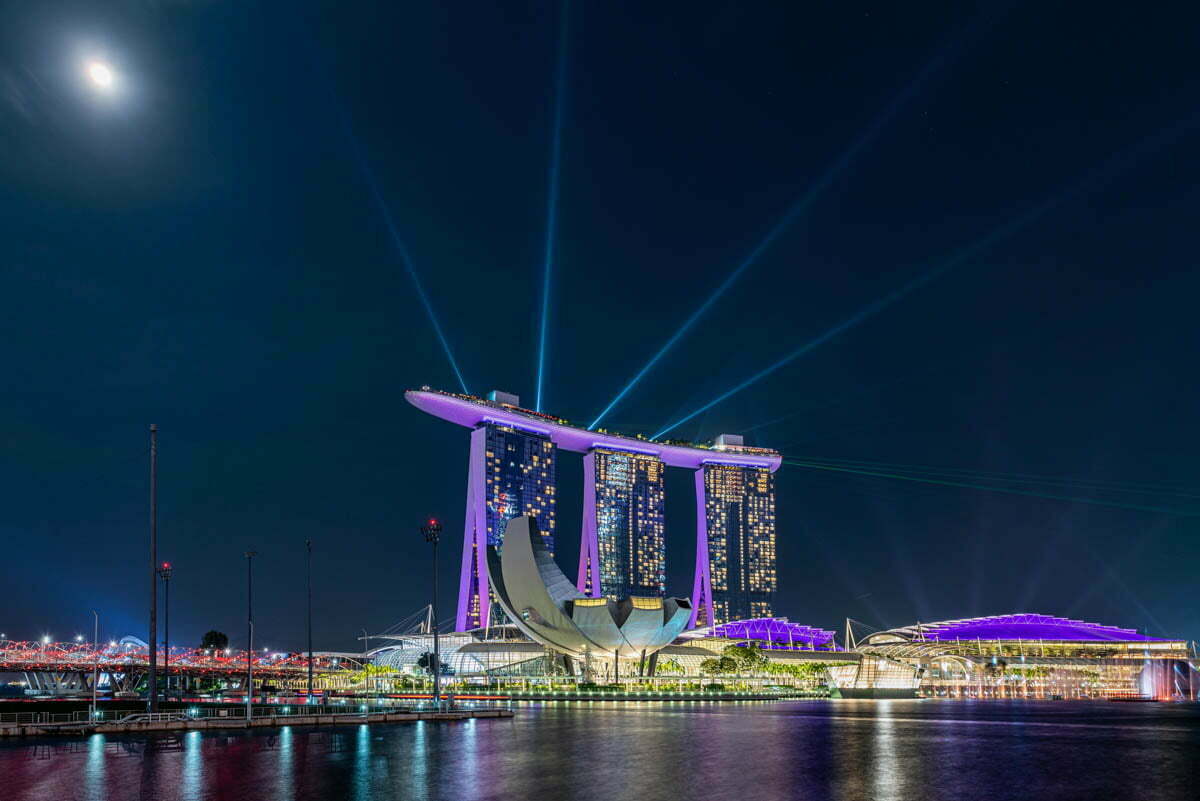
Singapore is often described as a city where urban planning, architecture, landscape, and culture operate as a single coordinated system. Public art plays a crucial role within this strategy. Instead of treating sculptures and installations as decorative objects, the city integrates them into transportation hubs, waterfront districts, commercial complexes, and major architectural projects. As a result, public art in Singapore performs several functions simultaneously. It shapes urban identity, strengthens spatial orientation in dense environments, and enhances the economic attractiveness of key districts. Developers and city planners understand that memorable artworks transform buildings and public spaces into destinations. This is why Singapore art installations frequently appear in highly visible locations: airport terminals, mixed-use complexes, waterfront promenades, and cultural institutions. These installations operate not only as cultural symbols but also as powerful placemaking tools that attract visitors and increase the commercial value of surrounding developments.
Public art and Singapore’s urban identity
Singapore’s approach to urban art in Singapore reflects the city’s long-term vision of building a recognizable global brand. The government actively encourages public art through initiatives coordinated by the National Arts Council Singapore and the Public Art Trust.
Unlike cities where artworks appear randomly, Singapore carefully integrates Singapore public spaces art into strategic urban nodes. Installations often appear in places where pedestrian circulation is highest — transportation hubs, cultural districts, and waterfront promenades. This planning approach ensures that sculptures become part of daily life. Residents encounter them on the way to work, while tourists encounter them while exploring the city.
The result is a subtle but powerful effect: art becomes inseparable from the identity of the city itself.
Famous public art installations in Singapore
The Merlion — national symbol and tourism magnet
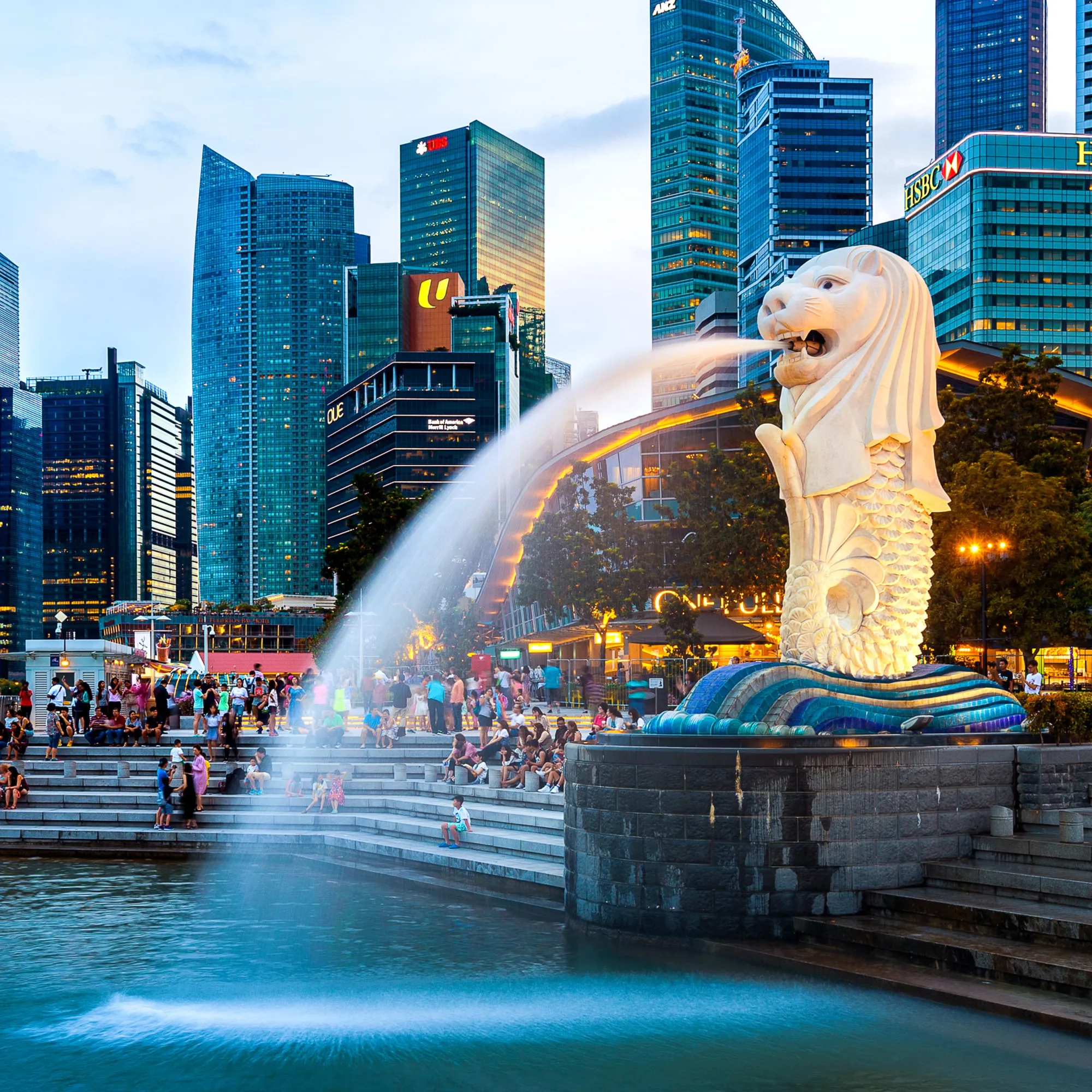
Perhaps the most famous example of public sculpture in Singapore is the Merlion statue located at Merlion Park. The sculpture represents a mythical creature with the head of a lion and the body of a fish. The lion symbolizes Singapore’s historical name “Singapura” (Lion City), while the fish refers to the city’s origins as a fishing village. The Merlion has become one of the most photographed landmarks in Southeast Asia. From a commercial perspective, the sculpture plays a major role in tourism branding. Hotels, waterfront restaurants, and retail spaces around Marina Bay benefit from the constant flow of visitors attracted to the site.
Rain Oculus — art as a retail magnet
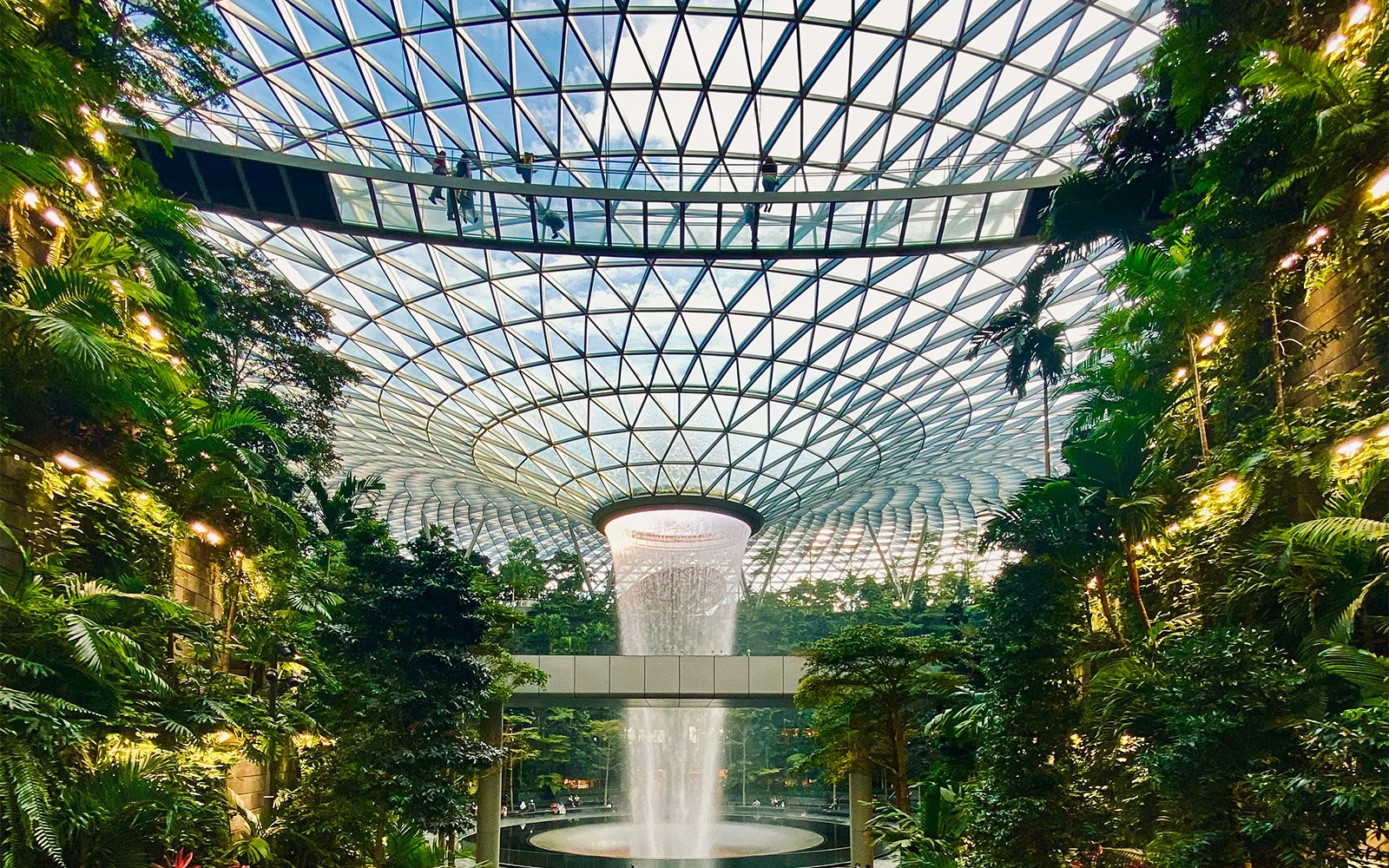
One of the most spectacular modern sculptures in Singapore is the Rain Oculus located inside the complex at Jewel Changi Airport. This installation combines architecture, engineering, and landscape design. A massive circular opening in the roof funnels rainwater into the world’s tallest indoor waterfall, surrounded by lush indoor gardens and retail spaces.
The installation performs multiple roles:
- a visual landmark for the building
- a central orientation point
- a tourist attraction
From a commercial perspective, the waterfall dramatically increased the attractiveness of Jewel Changi as a destination retail environment. Visitors frequently travel to the complex specifically to see the installation, which increases foot traffic across surrounding shops and restaurants.
Kinetic Rain — technology and movement
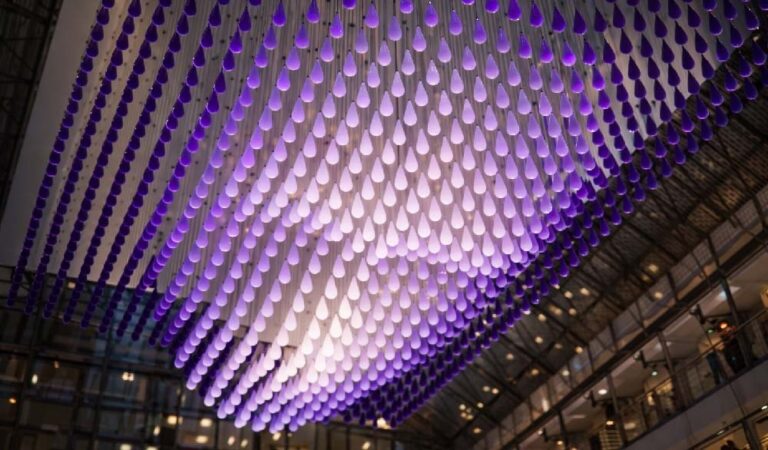
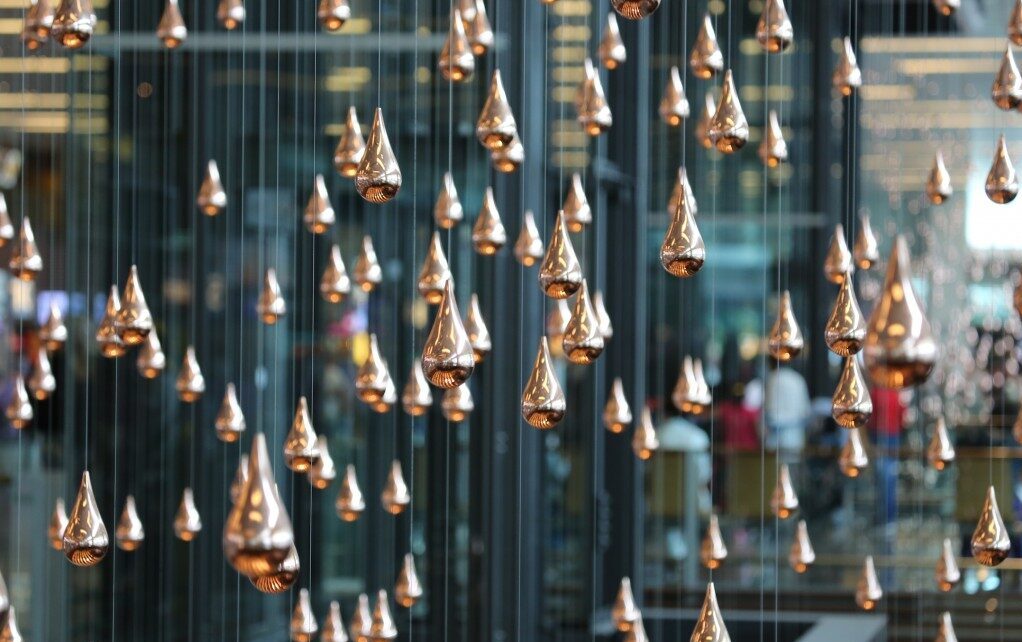
Inside Changi Airport Terminal 1, the famous Kinetic Rain installation demonstrates how technology can redefine sculpture.
The artwork consists of 1,216 bronze droplets suspended from the ceiling. Each droplet moves independently through a computerized motion system, forming shapes inspired by airplanes and clouds.
Beyond its visual impact, the installation reinforces the identity of Changi Airport as one of the world’s most innovative travel hubs. The sculpture transforms the departure hall into an experience rather than simply a waiting space.
This demonstrates how architecture art in Singapore is frequently used to elevate infrastructure into cultural environments.
Youth Olympic Park Sculptures — urban gathering points
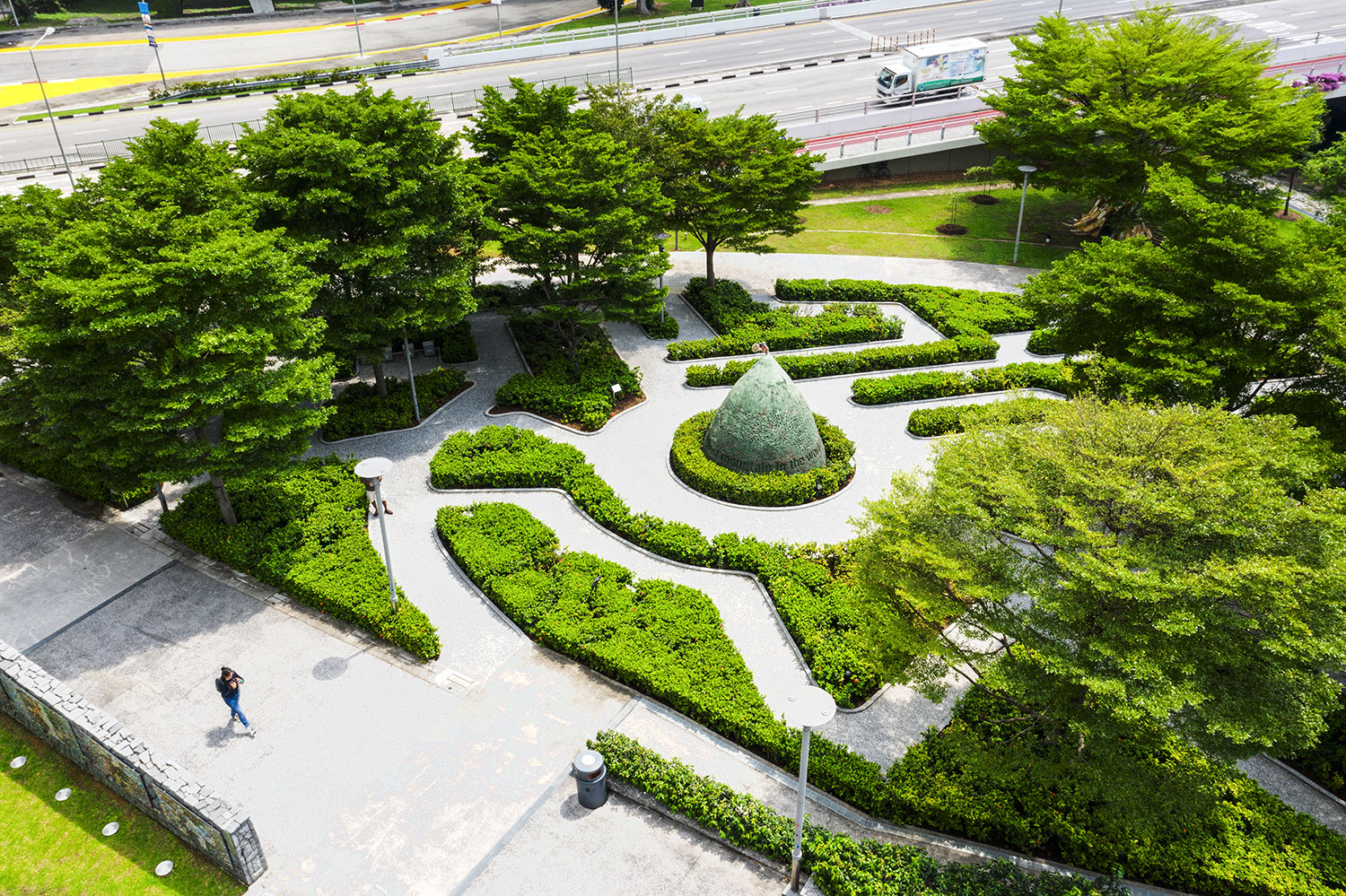
The sculptures at Youth Olympic Park illustrate another important role of city art in Singapore: creating informal gathering spaces. Several contemporary sculptures appear across the park, interacting with the surrounding skyline and waterfront landscape. These artworks encourage visitors to linger, take photographs, and interact with the public environment. Such installations support nearby commercial districts by increasing pedestrian activity along the Marina Bay waterfront.
Planet installation at ArtScience Museum — cultural identity
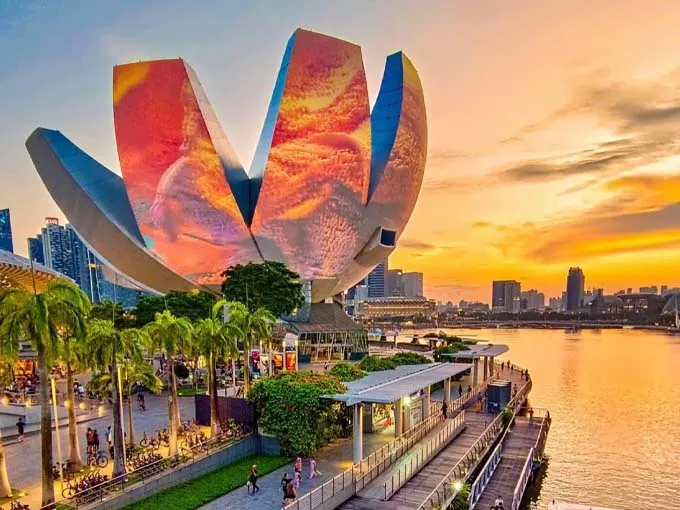
The glowing planetary sculpture outside the ArtScience Museum has become another recognizable installation. This artwork, created by the digital art collective teamLab, appears to float above the reflecting pool in front of the museum. The installation symbolizes Singapore’s ambition to position itself at the intersection of art, science, and technology. It has become a widely shared image across social media platforms, reinforcing the museum’s global visibility.
Interactive art and digital Installations
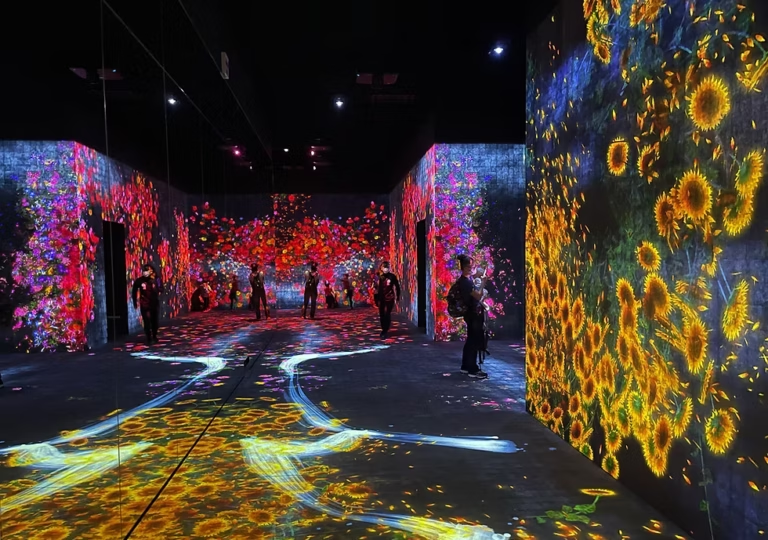
Singapore is also a leader in interactive art, particularly in environments where architecture and digital technology intersect. Interactive installations frequently appear in museums, transportation hubs, and commercial environments. These systems often use sensors and digital projections that respond to visitor movement. At the ArtScience Museum, several immersive environments developed by teamLab allow visitors to interact with digital landscapes that respond to motion and touch. In these spaces, art becomes a participatory experience rather than a passive object. From a commercial perspective, interactive installations encourage longer visitor stays and increase the likelihood that people will explore surrounding retail and cultural spaces.
Art in Singapore architecture
Public art is often integrated directly into architectural design across the city. Major developments such as Marina Bay Sands incorporate sculptures along promenades, within hotel atriums, and across landscaped terraces. These installations reinforce the spatial hierarchy of the complex and guide visitors through large architectural environments.
Similarly, large-scale sculptures and installations appear throughout the Singapore River district, where art helps structure pedestrian routes along the waterfront. This integration of sculpture in Singapore architecture demonstrates how art can function as a spatial planning tool rather than simply an aesthetic element.
Public art and smart cities
Singapore’s ambition to become a leading smart city also influences its approach to public art. The city increasingly experiments with smart city art in Singapore, where installations incorporate environmental sensors, digital media systems, and responsive lighting technologies. These artworks can respond to pedestrian movement, weather conditions, or real-time data streams. In this way, art becomes part of the digital infrastructure of the city.
Such installations also reflect Singapore’s broader identity as a technologically advanced urban environment where culture and innovation operate together.
Future of public art in Singapore
Looking forward, Singapore will likely continue expanding its integration of art into infrastructure and architecture. New developments increasingly include dedicated budgets for cultural installations. Mixed-use complexes, transportation hubs, and public parks are designed with integrated art strategies from the earliest planning stages.
Future Singapore art installations will likely incorporate advanced technologies such as generative digital media, artificial intelligence, and interactive environmental systems. These innovations will further blur the boundaries between architecture, technology, and art. Public art plays an essential role in shaping Singapore’s urban experience. Through sculptures, interactive installations, and digital environments, the city has successfully embedded culture into its infrastructure. These installations enhance public spaces, strengthen urban identity, and attract visitors to key districts. From iconic monuments like the Merlion to technologically advanced installations like Kinetic Rain, public art in Singapore demonstrates how art can transform architecture and urban space into memorable destinations.
Contact Us
Planning a public art installation for your project or urban development? Explore our portfolio or contact the SKYFORM STUDIO team to discuss your vision.
In cities like Singapore, public art is not treated as decoration but as an integral part of urban and architectural strategy. Sculptures, kinetic systems, and interactive installations are embedded into key spatial nodes — waterfronts, transportation hubs, and commercial districts — where they shape identity, guide movement, and create memorable experiences. Successful projects emerge when art is integrated from the earliest planning stages, aligned with circulation, visibility, and the broader narrative of the development. This approach allows installations to function as both cultural landmarks and drivers of engagement and value.
At SKYFORM STUDIO, we collaborate with developers, architects, and city planners to design and deliver public art installations that operate at the intersection of architecture, technology, and urban experience. From concept to realization, each project is developed as a spatial system that enhances identity, attracts visitors, and defines place.
Frequently asked questions (FAQ)
Public art strengthens urban identity, enhances tourism, and improves the quality of public spaces throughout the city.
Major installations can be found at Marina Bay, Jewel Changi Airport, Changi Airport terminals, and cultural institutions such as the ArtScience Museum.
Yes. Iconic installations such as the Merlion and the Rain Oculus attract millions of visitors each year and contribute to the city’s global image.
Yes. The city frequently integrates digital and interactive installations into museums, commercial developments, and public spaces.
Many installations incorporate digital technologies and environmental sensors, reflecting Singapore’s ambition to combine cultural innovation with advanced urban infrastructure.
Author of the article