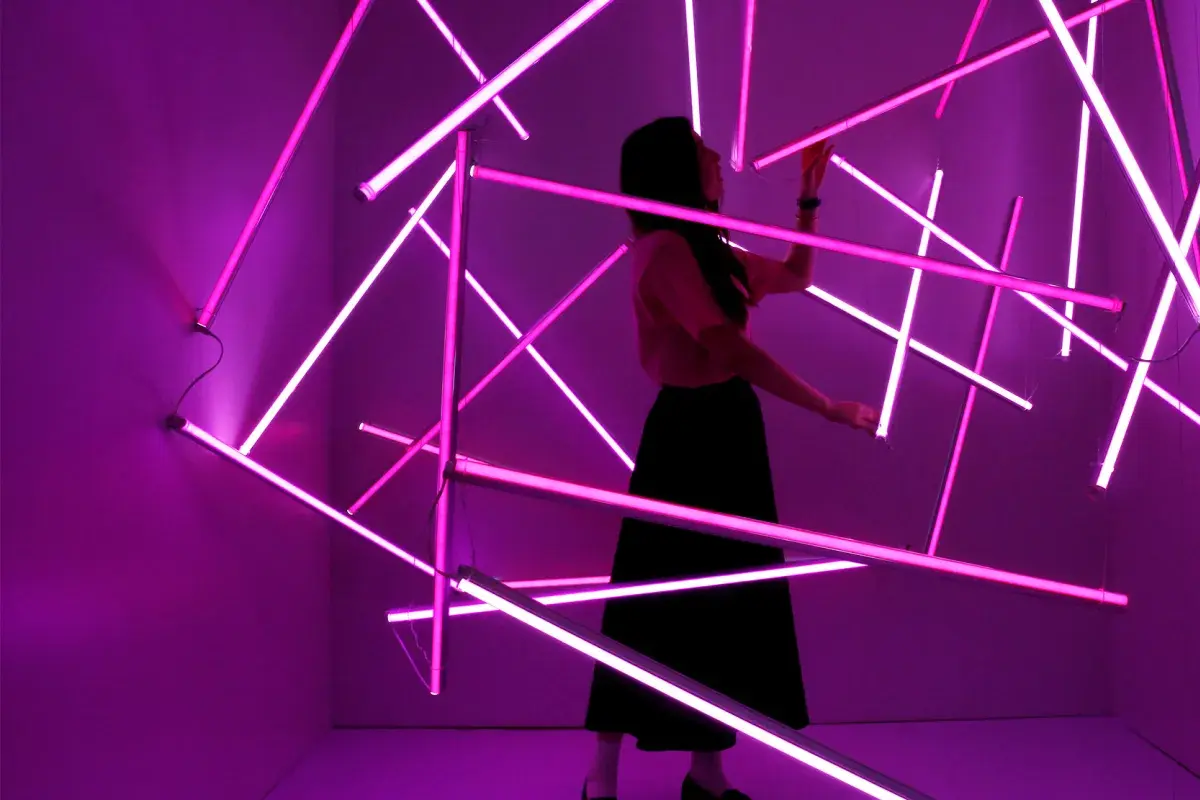
Tokyo is one of the few cities where interactive installations do not feel like imported spectacle. They read instead as an extension of the city’s deeper spatial condition: density without stillness, precision without sterility, and technology embedded into everyday urban life rather than isolated from it. That is what makes Tokyo a serious case study. It is not simply a city with digital art. It is a city where responsive environments make particular architectural and urban sense.
In many global cities, interactive art is still treated as an event layer added to museums, plazas, or commercial destinations in order to generate attention. In Tokyo, the stronger examples tend to work differently. They are not only immersive or photogenic. They are calibrated to compressed public space, dense movement patterns, media fluency, and repeat occupation. That changes how interactivity is perceived. It becomes less about novelty and more about urban behavior.
For architects, developers, and creative technologists, that difference matters. Tokyo shows that interactive installations succeed not because they are digital, but because they are spatially intelligent. They do not merely react to people. They shape how people read thresholds, movement, and collective occupation inside one of the world’s most technologically legible cities.
Density changes what interactivity has to do
Tokyo’s urban condition is unusually demanding. Public movement is constant, layered, and highly patterned. Stations, retail complexes, mixed-use developments, hospitality zones, and cultural venues absorb flows that in many other cities would disperse into slower or larger public realms. In that context, interactive installations cannot depend on empty space or theatrical isolation. They have to operate inside active urban intensity.
This is one of Tokyo’s clearest lessons. In a lower-density city, an interactive work can rely on contrast with stillness. In Tokyo, it often has to do the opposite. It has to modulate an already charged environment. It has to thicken attention, shape dwell, or introduce a new layer of awareness without becoming another source of noise. That is a harder standard. What feels exciting in a calmer city may feel excessive in Tokyo unless it is tightly calibrated.
This is also why Tokyo is such an important benchmark for urban-tech installations. The city does not reward interactive environments simply for being responsive. It rewards them when they can coexist with compressed circulation, vertical layering, signage density, and repeat public use without losing legibility. In practice, that means Tokyo favors systems that are disciplined in behavior, not just rich in technology.

Tokyo is not only a museum city
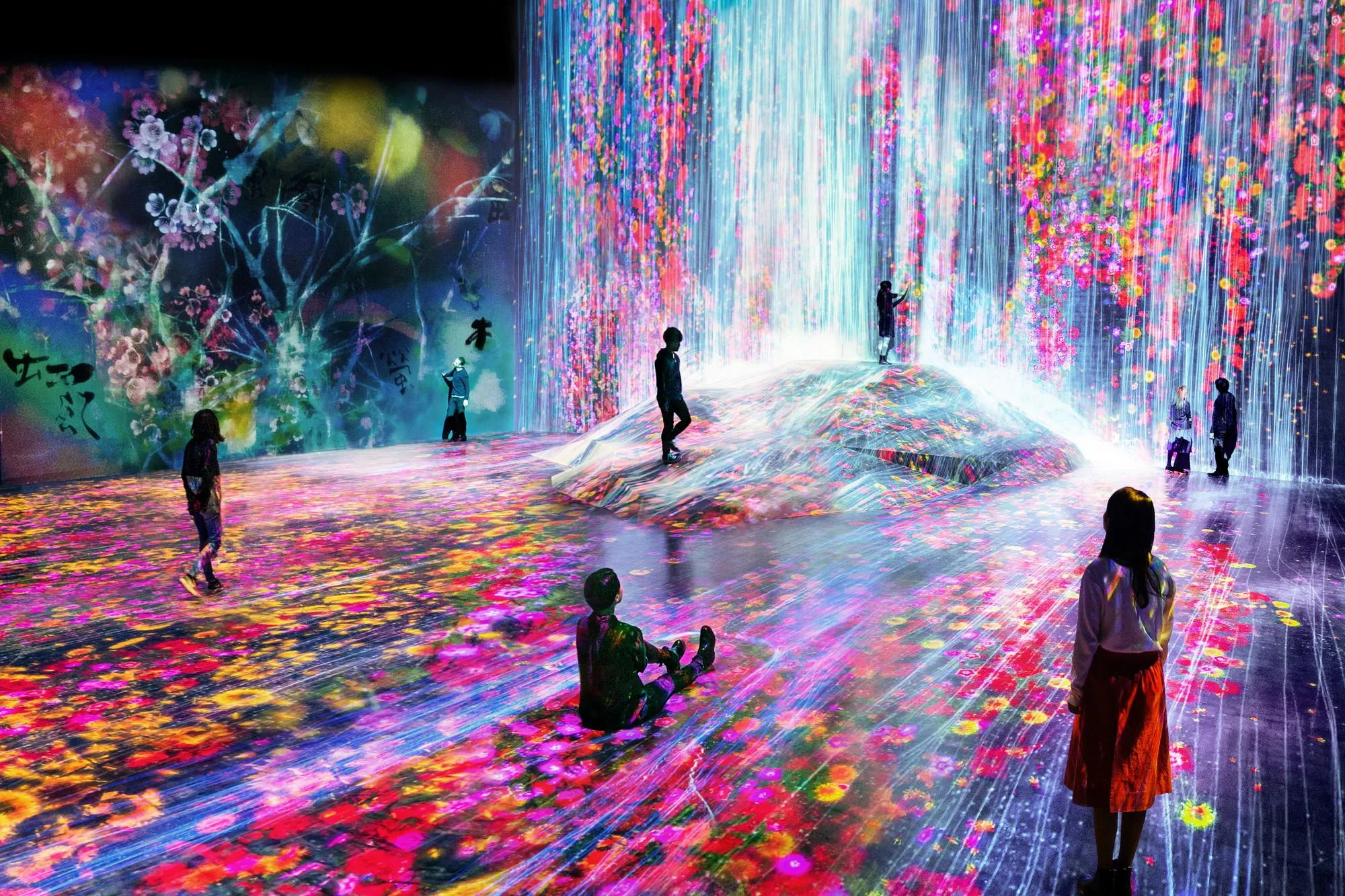
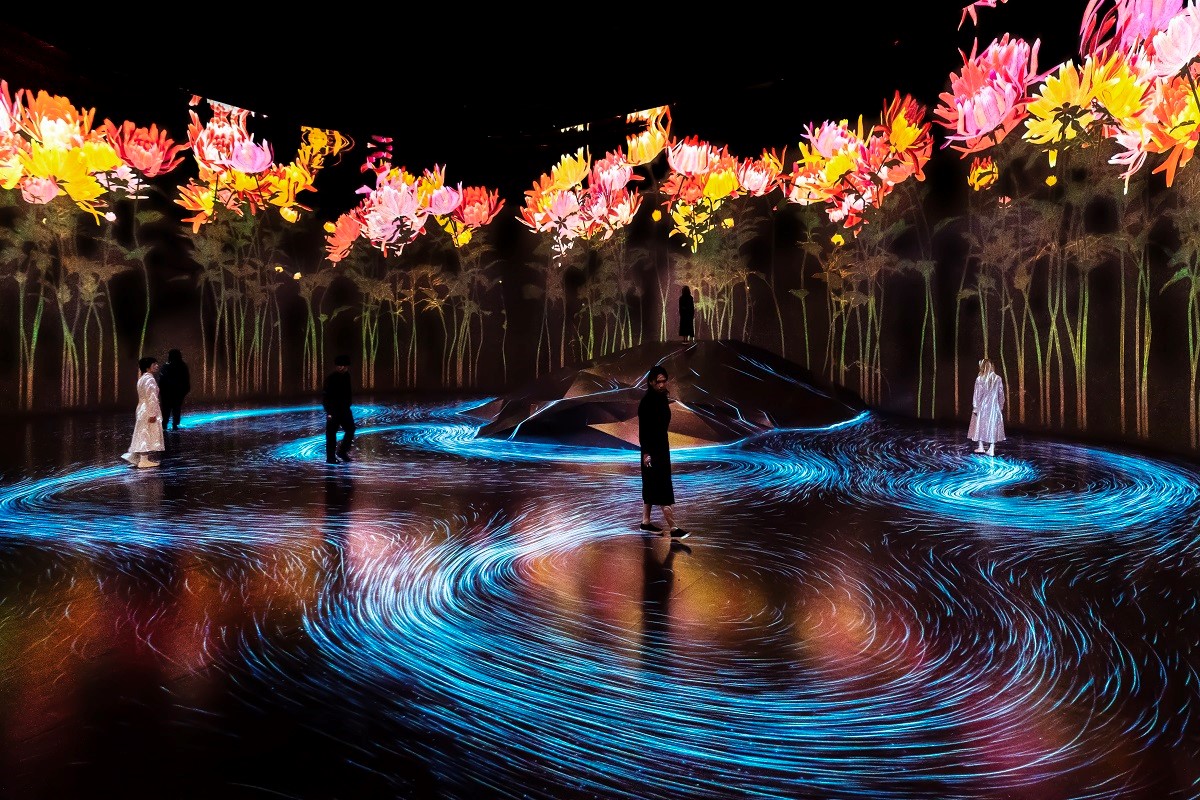
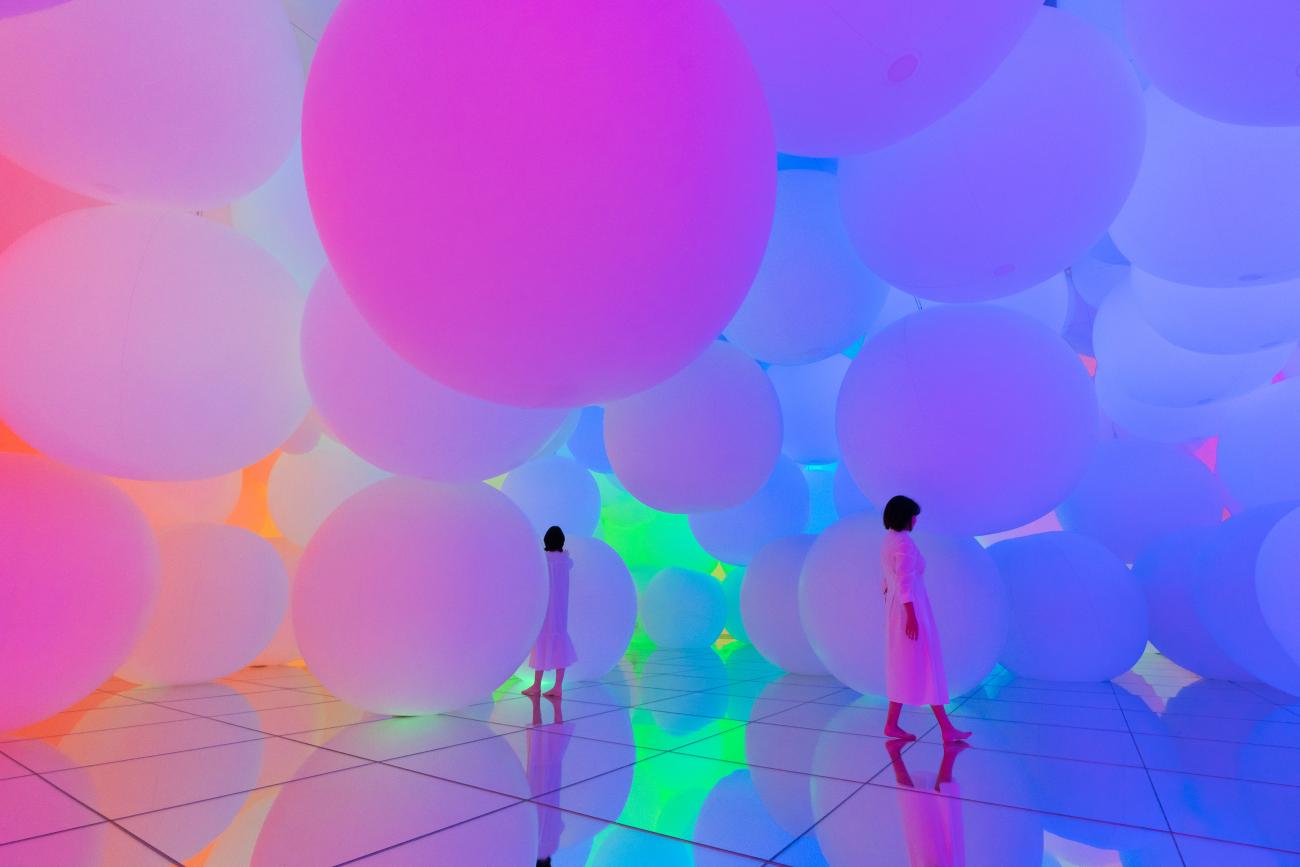
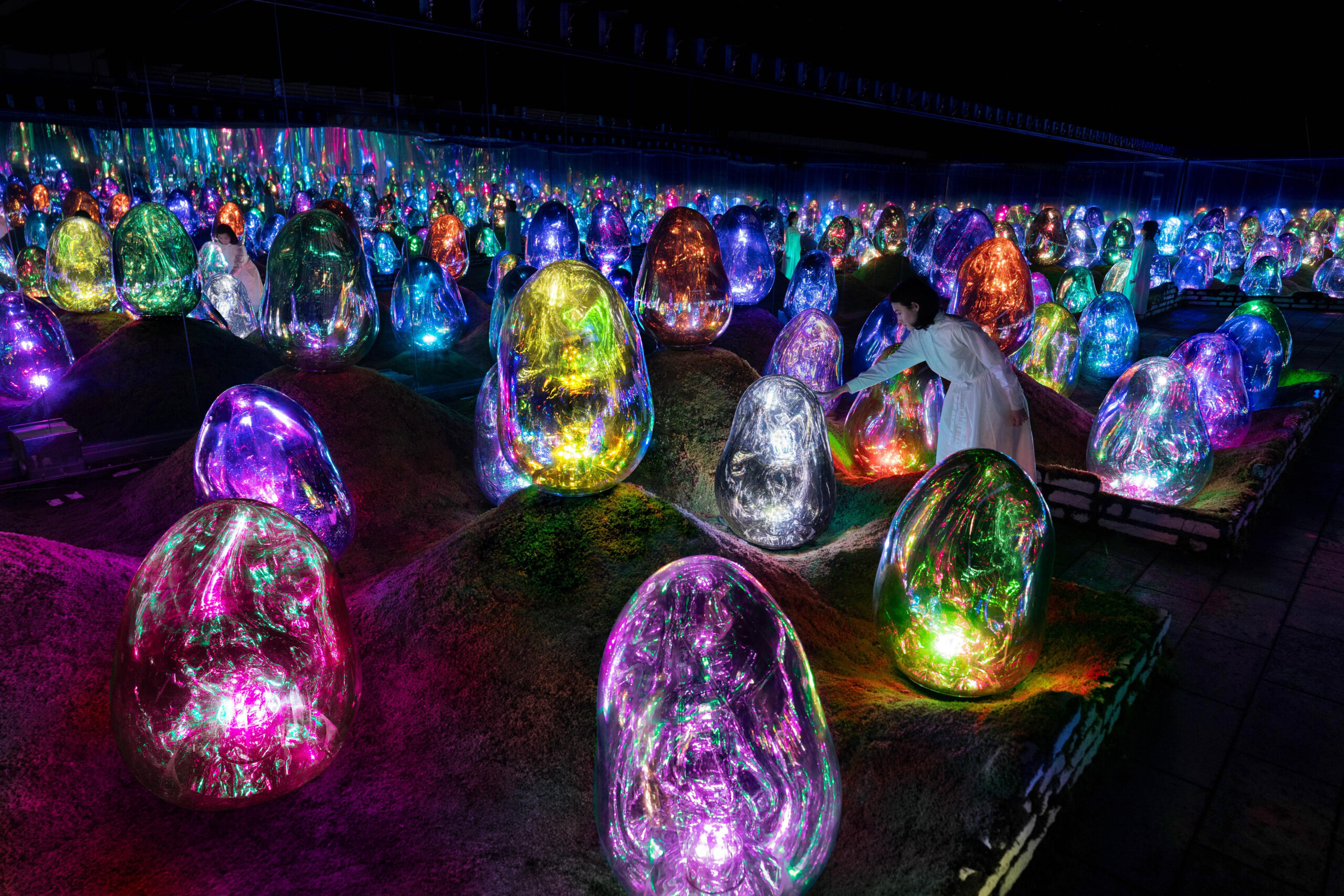
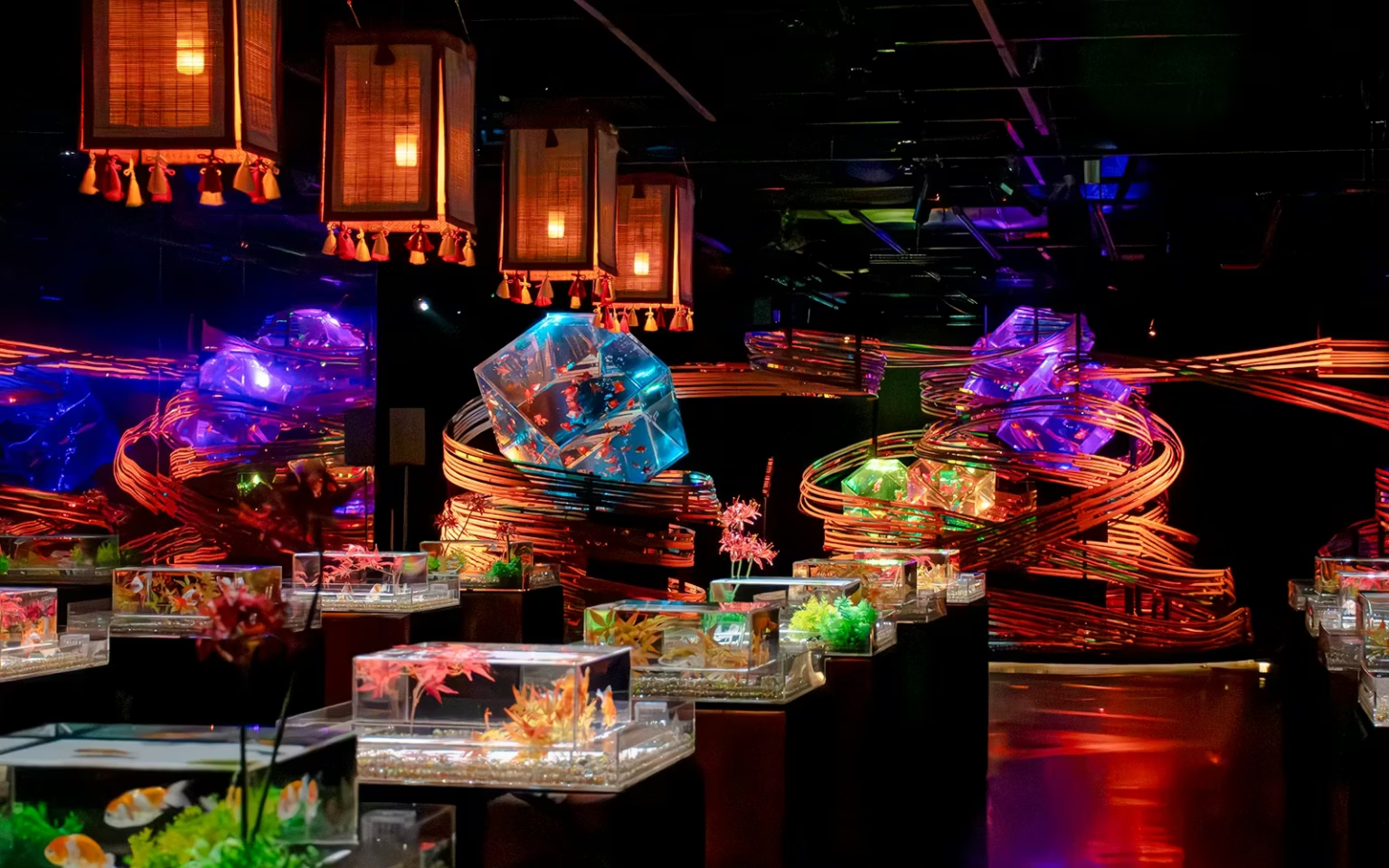
Any discussion of interactive installations in Tokyo has to acknowledge teamLab, but the city should not be reduced to teamLab alone. Its relevance lies not only in having famous immersive institutions, but in showing how responsive systems can move between room, building, district, and urban identity without becoming conceptually incoherent.
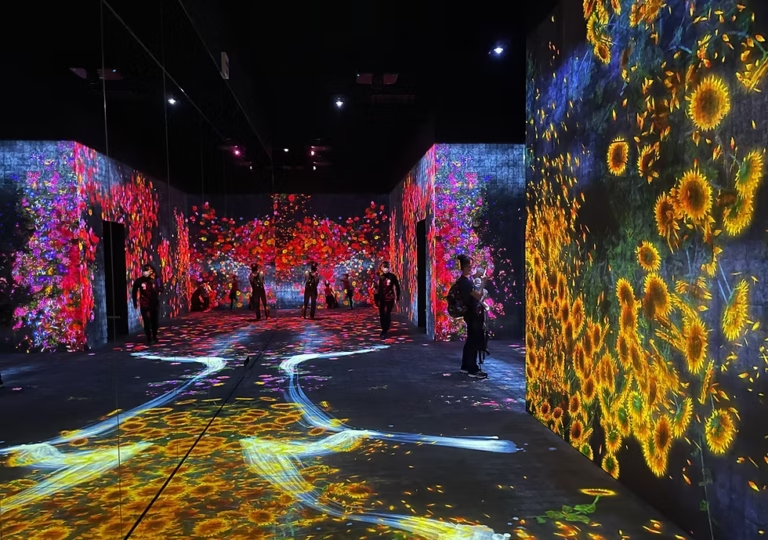
Projects such as teamLab Borderless and teamLab Planets matter because they demonstrate that interaction can function as the organizing logic of an environment rather than as an accessory layered onto it. What matters in those examples is not only immersion, but continuity: the idea that public experience can be structured as a behavioral field instead of a sequence of isolated attractions. That is a useful lesson for architecture.
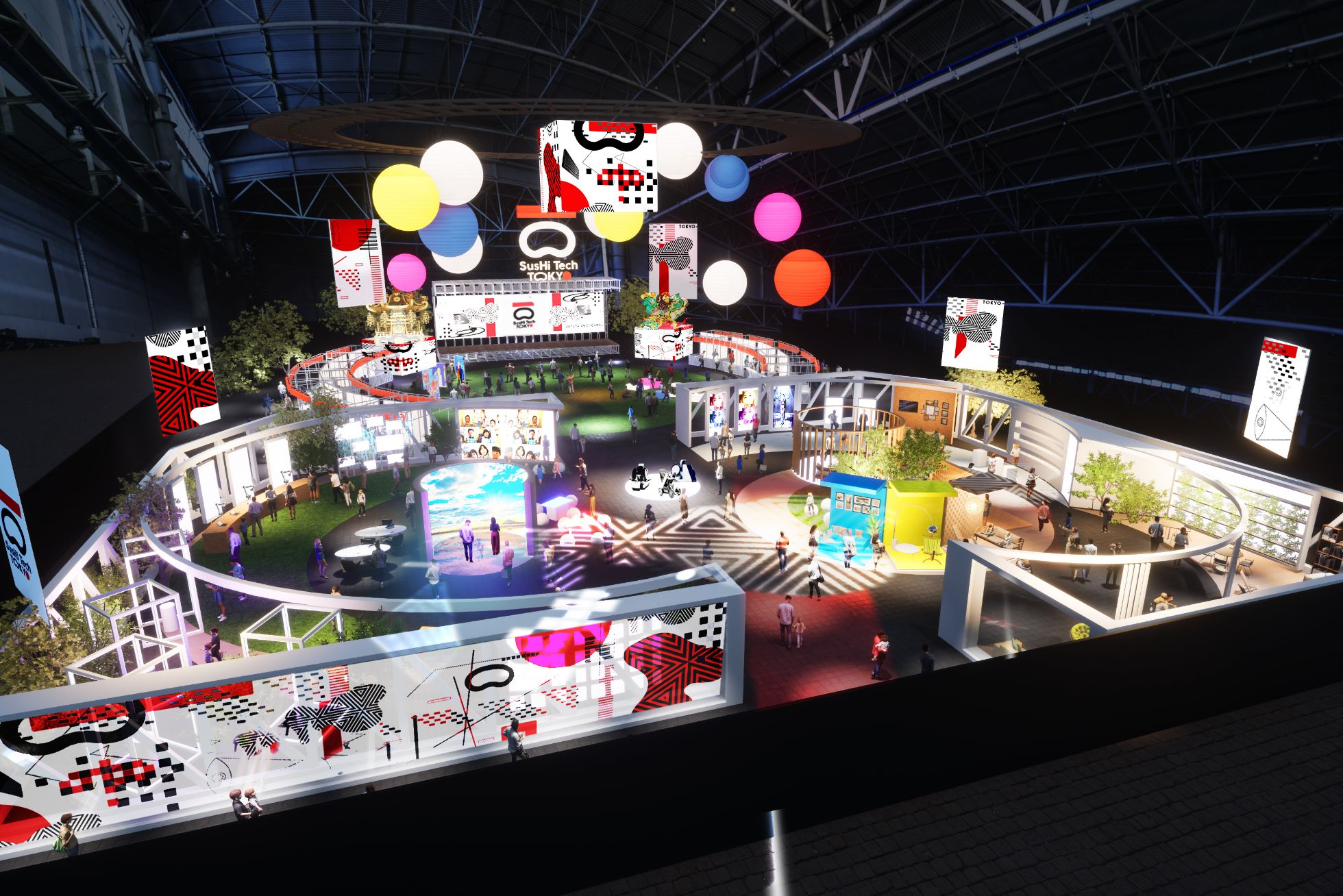
But Tokyo’s broader significance goes further. The city is also testing interactive logic at district scale. In Shibuya, responsive systems, media surfaces, temporary public programming, and tech-led cultural frameworks extend the discussion beyond museums and into the urban fabric itself. This is what makes Tokyo such a valuable reference. It is not only hosting interactive art inside destination venues. It is also exploring how interactivity behaves when it enters the active life of the city.
Shibuya shows how interactivity behaves under pressure
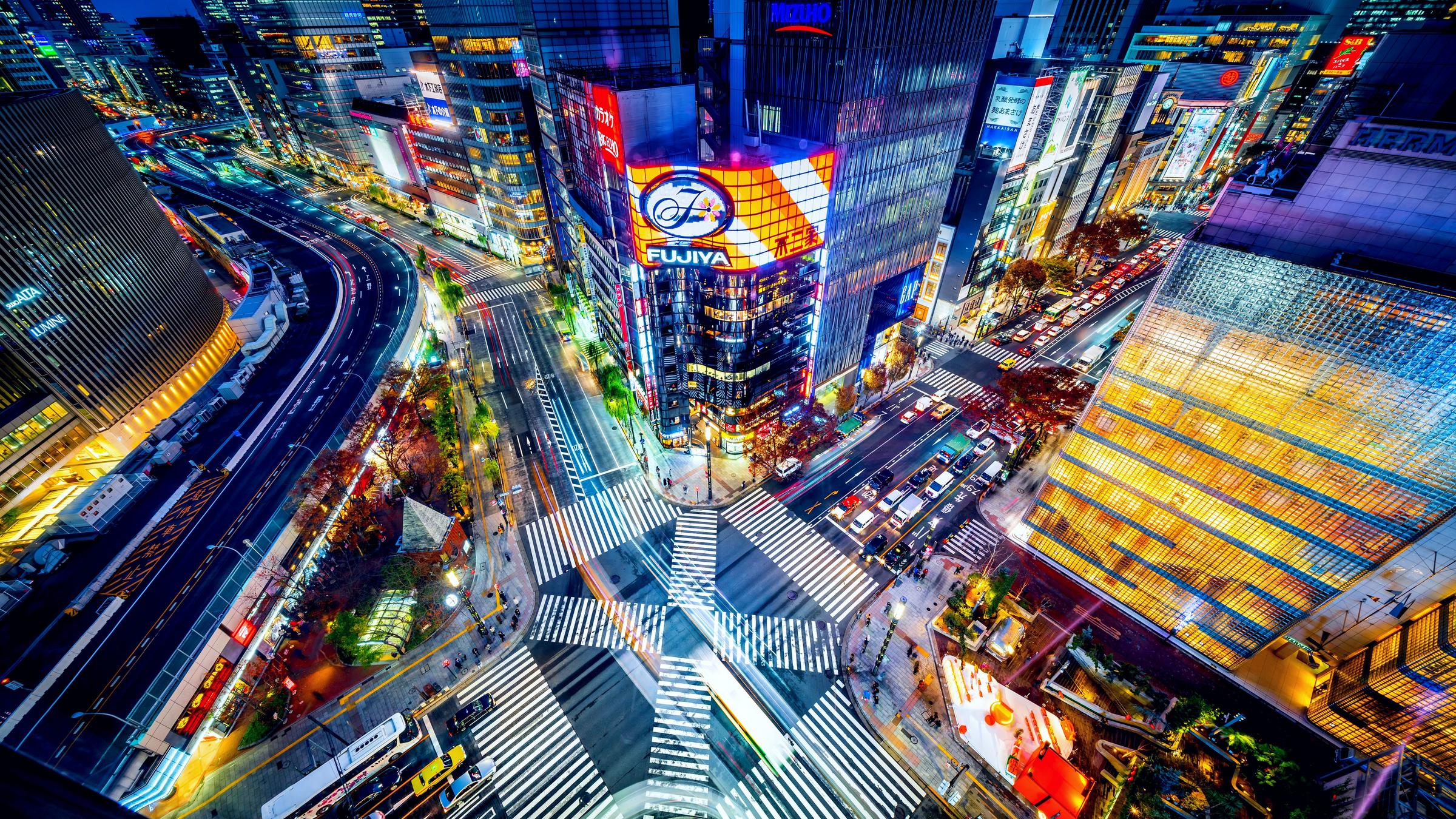
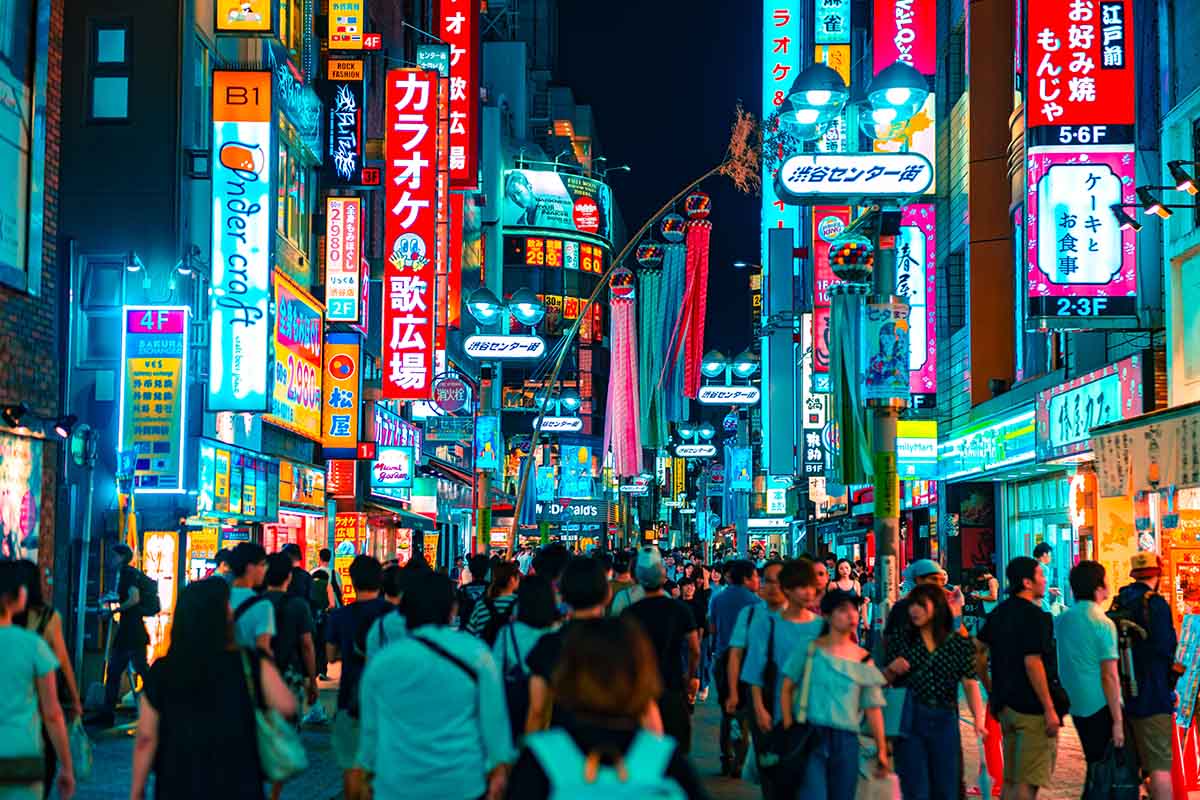
Shibuya is particularly useful as a global reference because it reveals what happens when interactivity enters an already hyper-signaled district. The area around station-linked retail circulation, media surfaces, event-led public zones, and dense pedestrian crossings does not need additional visual energy in the abstract. What it needs is selective calibration. This is where Tokyo differs from cities that still treat interactivity as a singular attraction inserted into otherwise neutral surroundings.
In this context, the district itself becomes the interface. Interactive experience is not confined to one room. It is threaded through pedestrian movement, commercial frontage, and media-rich urban surfaces. That makes Shibuya important not as a backdrop, but as an example of how responsiveness can be distributed through an active urban network rather than concentrated in one iconic object.
For other cities, this is a crucial distinction. A district-scale responsive environment is not simply a larger installation. It requires an urban fabric that can absorb layered input without collapsing into clutter. Shibuya can do that because its public behavior is already structured by density, signage logic, and high-frequency movement. What feels natural there might feel overproduced elsewhere unless it is recalibrated to a different urban rhythm.
That is one of the most useful professional takeaways from Tokyo. A city cannot simply import the visual language of interactivity and expect the same result. It has to understand what kind of public rhythm, density, and spatial compression the system is actually working with.
Precision matters more than excess
One of the persistent clichés about Tokyo is that it is defined by overload. But the city’s strongest interactive environments are not successful because they add more. They are successful because they are more precise. Even when visually intense, they are tightly structured. Their value lies not in technological abundance, but in controlled behavioral design.
This is especially visible in Tokyo’s best immersive environments, where the power of the experience comes from continuity rather than accumulation. The strongest works are not read as sequences of isolated pieces. They are read as behavioral fields whose logic shifts as the visitor moves. That matters architecturally. The environment is not simply a container for digital attractions. It becomes a spatial system built through interaction.
The same precision shows up in Tokyo’s broader interactive culture. The city is full of technological surfaces, but the environments that remain compelling are usually those that understand editing. They know what to ignore. They know how to avoid reacting to everything. Dense cities punish literalism. A responsive environment that overreacts quickly feels like a device. A responsive environment that filters, times, and composes its outputs can begin to feel like architecture.
For projects elsewhere, this is a critical lesson. The goal is not to maximize reaction. The goal is to produce the right degree of awareness for the specific spatial and urban context. That is exactly where many weaker interactive projects fail: they prove that the system can respond, but not that it should respond in that way.
Repeat use is where Tokyo becomes most instructive
Tokyo is a city of repetition. People pass through the same stations, mixed-use nodes, retail interiors, and public destinations again and again, often under different densities and times of day. That makes it a strong testing ground for interactive environments, because repeat use exposes shallow systems quickly.
An installation that works only as a first encounter does not yet have much urban intelligence. Tokyo favors environments that can survive re-entry. This is true not only in destination museums, but across commercial and public interiors where the same users return under changing conditions. The city teaches that interactive value is not only about immediate visibility. It is about whether a responsive environment can remain compelling after novelty fades.
That distinction matters commercially as well as artistically. A launch-phase attraction may create attention. A repeatable responsive environment creates destination value. Tokyo is instructive because it makes that difference visible very quickly.
For developers elsewhere, this is one of the most transferable lessons. If interactivity is meant to support mixed-use identity, hospitality gravity, or long-term public engagement, it has to be designed for repeated occupation rather than one-time impact.
Development, destination value, and the shift toward interactive urban identity
Tokyo is also important because responsive environments are moving closer to real estate strategy. When immersive and interactive systems appear inside major mixed-use developments, they signal more than cultural prestige. They show that responsive art can operate as part of destination logic rather than as an optional cultural extra.
That is significant for global developers. It suggests that interactive installations can function as long-term identity infrastructure inside serious urban projects, not only as temporary activation or museum content. Tokyo is showing that responsive environments can extend dwell time, sharpen public image, and give a development stronger cultural gravity when they are embedded into the logic of the place.
But Tokyo also makes something else clear: these results are not produced by technology alone. They depend on calibration between behavior, architecture, density, and public expectation. That is why cities seeking similar outcomes need translation, not imitation. Responsive environments cannot simply be copied from one urban condition to another. They have to be redesigned around local movement patterns, thresholds, tempos, and social use.
What Tokyo teaches global cities
Tokyo’s strongest interactive environments succeed because they understand that responsiveness must be calibrated to context. They do not rely on digital spectacle alone. They work because sensing, media, motion, architecture, and public behavior are brought into the same system.
For architects, the lesson is that interactivity should be planned as a spatial framework rather than an output layer. For developers, the lesson is that destination value depends on repeat engagement, not only launch-phase attention. For city-makers, Tokyo shows that district-scale interactivity is possible, but only when the urban fabric can support it behaviorally and visually.
What is most transferable from Tokyo is therefore not a visual formula. It is a method of thinking. Interactive environments become convincing when they are designed around density, tempo, thresholds, occupancy patterns, and repeat use. They fail when they are treated as digital content dropped into space without enough regard for how the city actually behaves.
This is also why successful interactive environments are not the result of content production or strategic positioning alone. They depend on the ability to conceive, engineer, fabricate, program, and install a responsive system that can perform reliably within real architectural and urban conditions. At SKYFORM STUDIO, Tokyo is not treated as inspiration to be copied, but as evidence of how interactive environments become powerful when behavior, technology, structure, and space are developed as one integrated work.
Our role is not limited to advising on concepts or placemaking strategy. We create interactive, kinetic, and media-based installations from A to Z — from design development and engineering to fabrication, software integration, control systems, on-site installation, and commissioning. For clients, that means the final result is not simply an idea about responsiveness, but a functioning installation delivered as a complete physical and technological system.
Contact Us
Ready to create an interactive installation designed for real urban conditions? Explore our portfolio or contact the SKYFORM STUDIO team to discuss your project.
Designing an interactive installation in a dense urban environment goes beyond digital content and responsive hardware. It requires understanding how sensing, media, motion, architectural scale, and public rhythm interact within real city conditions.
At SKYFORM STUDIO, we design, engineer, fabricate, program, and install interactive, kinetic, and media-based installations as complete systems. We also create fountains and integrated water features when projects require a combination of movement, light, and controlled environmental effects.
Our work spans the full process — from concept and visual design to engineering, motion systems, control software, fabrication, and on-site commissioning — ensuring each installation performs reliably and functions as a cohesive part of the environment.
Author of the article